As we have had the chance to deal with in the previous articles on the theme**, the balconies have played a very important role over the centuries in the development and diversification of cultures**. Similarly, they have played a fundamental role in art, architecture, history and even literature**. Beautiful and practical, they are spread almost everywhere in the world " but their evolution and their purpose, as well as their design, differs for obvious reasons depending on geography.
Today we will discover the peculiarities and functions of the balconies in the Mediterranean area, that is to say, largely of Europe and Africa, but also of Asia. The countries that overlook the Mediterranean Sea are indeed numerous: not only Italy, but also Spain, France, Slovenia, Croatia, Montenegro, Albania, Greece, Turkey, Cyprus, Syria, Israel, Morocco, Algeria, Tunisia, Malta, Libya, Egypt, Lebanon
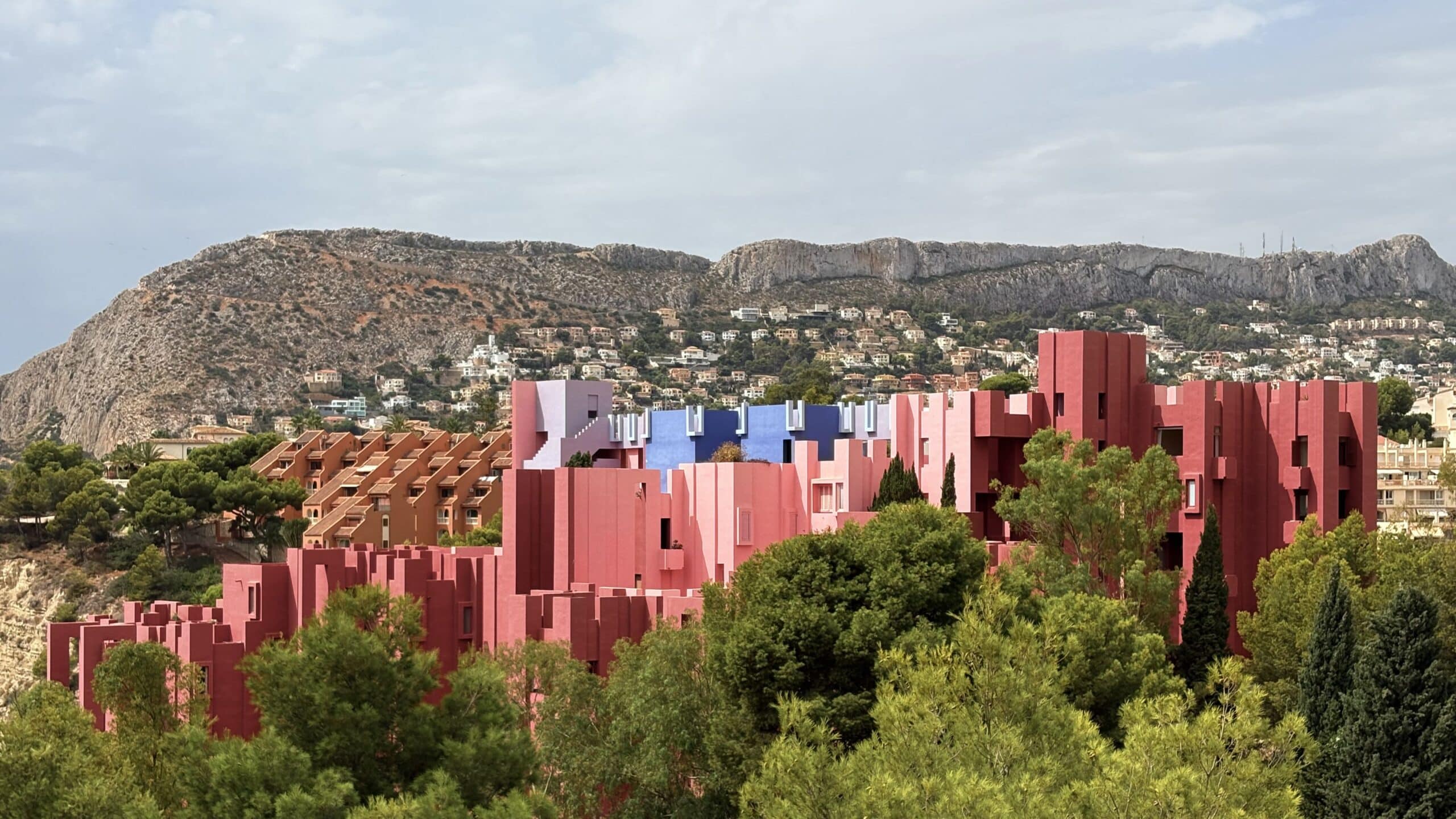
Certainly, to claim to carry out an exhaustive work of analysis of the balconies in the history of all these nations is perhaps out of place, however it is worth illustrating how a kind of common culture has managed to condition the functions and, sometimes, even the architecture of these artifacts. As always, the balcony is only a platform that, starting from a building • i.e. from an intimate, collected and protected environment • projected outwards**. The design of these buildings can be very diverse, yet some of the most beautiful examples of balconies are found in the ancient and fascinating cities that overlook the Mediterranean. Elegant and intricate, the lines of the European balconies evolved together with the architecture of the continent and, even in their change, seem to have maintained the innate capacity of personalizing the facade of buildings. The warm and sunny climate of the Mediterranean area is, of course, perfect for balconies. Residents use them to enjoy the open space privately without leaving their homes, or, alternatively, to observe the world. Spain is, for example, a country where virtually every building . .. or almost But the rest of the country is also teeming with spectacular artistic and architectural achievements of great value, both in residential buildings as well as in commercial or hospitality buildings. However, returning all •Alhambra, this splendid Andalusian palace complex dating back to the ninth century is literally constructed of balconies built on several occasions over the years. We will have balaustre that overlook the water gardens and that, as well as the patios and courtyards, represent a real ** invitation to slowness**, to the quietness, to the enjoyment of the splendor of Moorish architecture which, condensed and almost frozen in the red city**" (still today the most visited work of Spain), seems to be timeless. The so-called Patio della Griglia in Ferro Battto is known for its decoration on its southern wall, dated 1655 and inspired, it happens, just all the architecture of the balconies. Inside there are however no residents of human species but belonging to the plant world: centenarian cypresses that surround, moved by the wind, an ancient stone fountain. Also next to the Torre delle Dame, which overlooks the Partal Gardens, there is a simple balcony that stretches out from one of the three Arab houses built later, and even the Sala della Regina, erected in 1537, has a large balcony with spectacular views of the city's most historic districts.
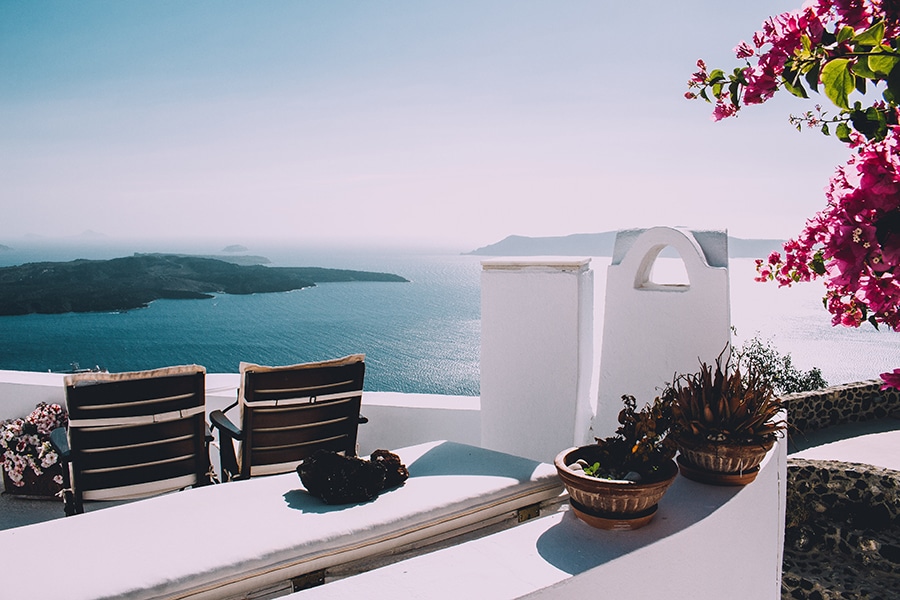
Moving towards Kalkan, on the Turkish coast, we will see narrow streets lined with ancient whitish villas and historic buildings; on each of them are still present the original wooden balconies, Greek and Ottoman, wrapped in buganvilles of very bright colors. If we visit then the Mediterranean islands of Malta and Gozo** we will discover that the balconies represent one of the most identifying characteristics of the entire local landscape. The first open balconies, built entirely in stone, are probably medieval origins. Only later were the ones considered traditional**, i.e. closed and made of wood. It is believed that in 1679, the corner balcony of the ** Grand Master's Palace in Valletta** was the first to be closed with a wooden and glass structure. What is certain is that the tradition took hold in the villages during the eighteenth century. In 2007, the Maltese and Gozitan ubiquitous balconies were elevated in their status because they have even become ** protagonists of a series of stamps** issued by the Maltapost Philatelic Office that, in that way, intended to illustrate the development of the island's iconic architecture. Ultimately, the timeless fascination of the balconies** erected throughout the world continues, despite the passage of the epochs and fashions, to tickle our imagination. These artifacts have always had and continue to have multiple purposes, but one of them never changes: to bring the outside inside, both physically and ideally.
To view videos, enable external content in your cookie preferences.