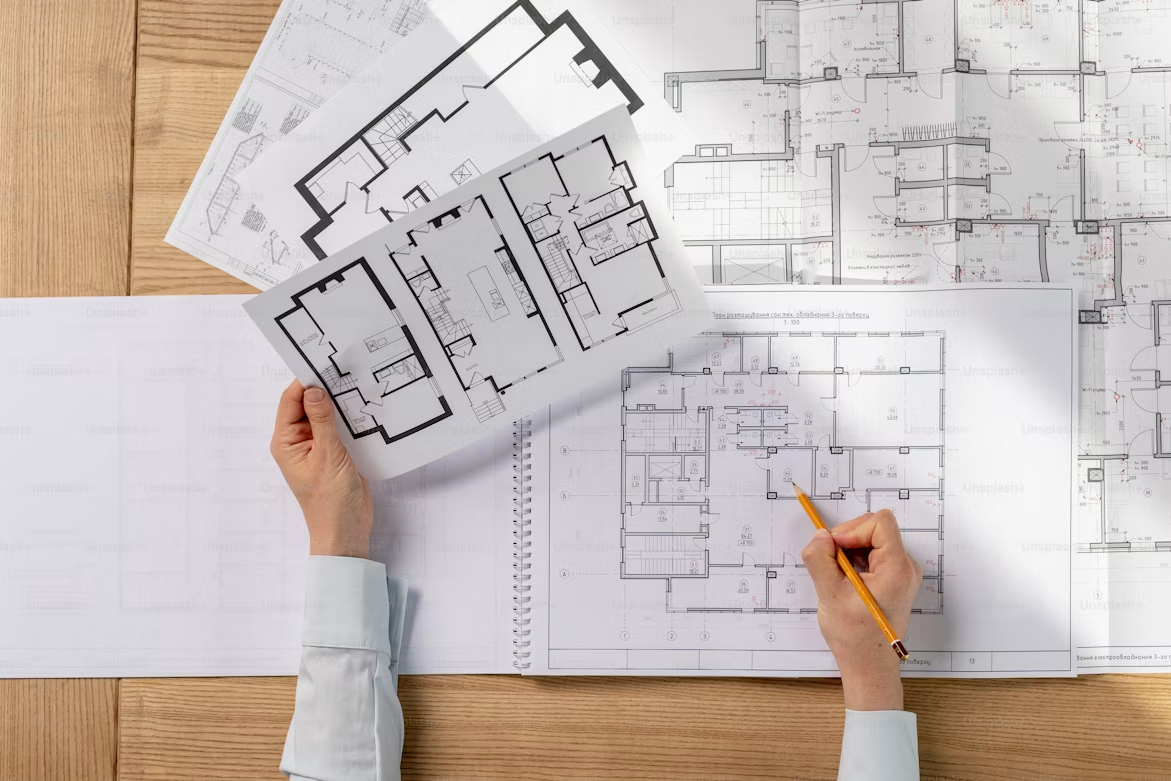
That the unpredictable revolution caused by Coronavirus** pandemic last winter caused a great deal of damage to many sectors of the economy**, including building, is now known. What is now reflected are instead the ideal ways to resolve from the crisis in the light of what happened, transforming a moment of criticality into an opportunity for growth.
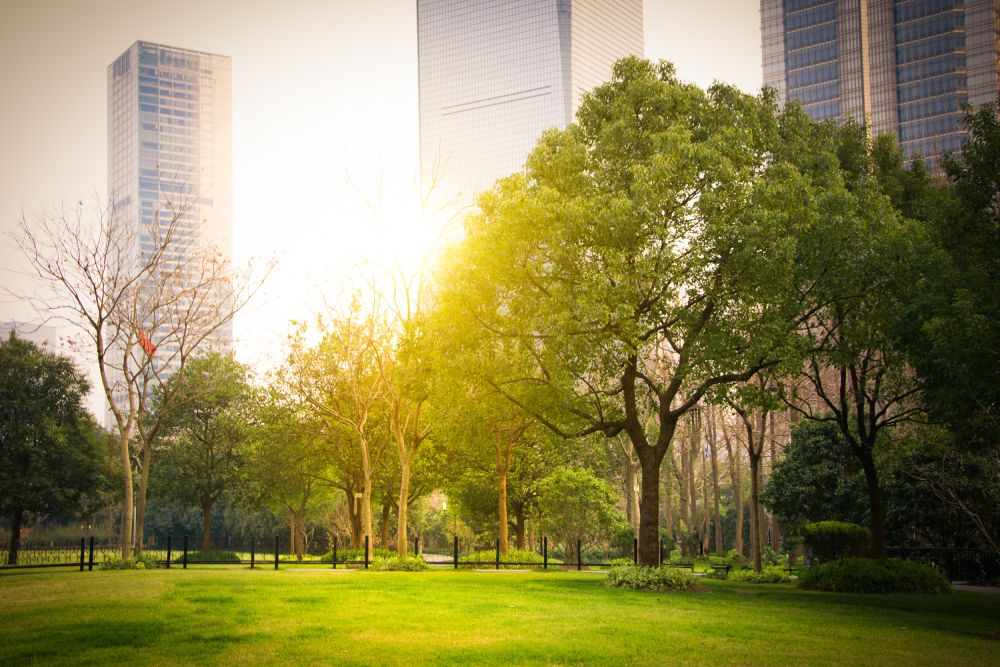
In particular, with regard to the construction sector, which represents **13% of the total Italian GDP, the COVID-19 is now the driving force to design and experiment unpublished housing layout and respond to the growing need for domestic and professional spaces healthier and in increasingly marked and virtuous communication with nature.
It is in this context that the circular economy** could play an important role, so much so that according to American research conducted recently by the World Green Building Council 81% of construction companies specializing in additives and chemicals now, without reservations, aims at materials and products totally recyclable.
Designing green: the great goal of the construction of the future The design of ever more green and sustainable buildings is now the key guide on which to conduct the construction of the future. The greatest attention will therefore be paid to the environmental sustainability in its broadest sense, both as regards the new buildings and renovation of the existing ones.
One of the predominant trends will be the Net-Zero Emission, i.e. the realization of products whose CO2 and greenhouse gas emissions are zero, so much so that it is estimated that by 2050 both new buildings and redevelopments, and even infrastructure, will emit 40% less CO2 than the current parameters. However, it is also important to keep in mind that the evolution of the post-COOVID building will not be limited to the sustainability of the buildings, but will also extend to a revolution almost total of the interior spaces, especially those professional.
The offices and the places of representation, in the eighties and nineties dominated by cubicles and internal separations, will be made wider, wider, more open. It will aim more and more at coworking intended as working philosophy before even operating mode, automation and rooms always easily hygienicizable so as to ensure a level of health.
The reason is simple: Coronaviruscase has been a sort of global and cross-cutting shock for all sectors, and is now generating a radical change in urban livability at all round.
The circular economy is no longer an optional model for construction In this context, the circular economy • i.e. aimed at radically reducing waste and therefore pollution • is inevitably a crucial player, so much so that it is no longer an optional model for the manufacturer but a fundamental requisite with a dual objective: to ensure a higher quality of life for the inhabitants and to contribute actively to the fight against climate change.
In practical terms, the reduction in CO2 emissions in buildings will be based on thoughtful design choices and fundamental tools and approaches such as CAM (Minimum Environmental Criteria), which will allow the establishment of the threshold below which a material is unsustainable from an environmental point of view.
Between i products and solutions** that will take more and more foot are undoubtedly the inevitable draining concrete, indispensable to support the impact of the more frequent " water bombs " promoting the correct re-imposition by the soil; organic concrete, which according to the University of Colorado is not only green but also able to improve the structure of the building as a whole; evolved ventilation plants to facilitate regular sanitisation of the environments; ** ultrafast connection systems** within smart building technologically more and more advanced.
To view videos, enable external content in your cookie preferences.