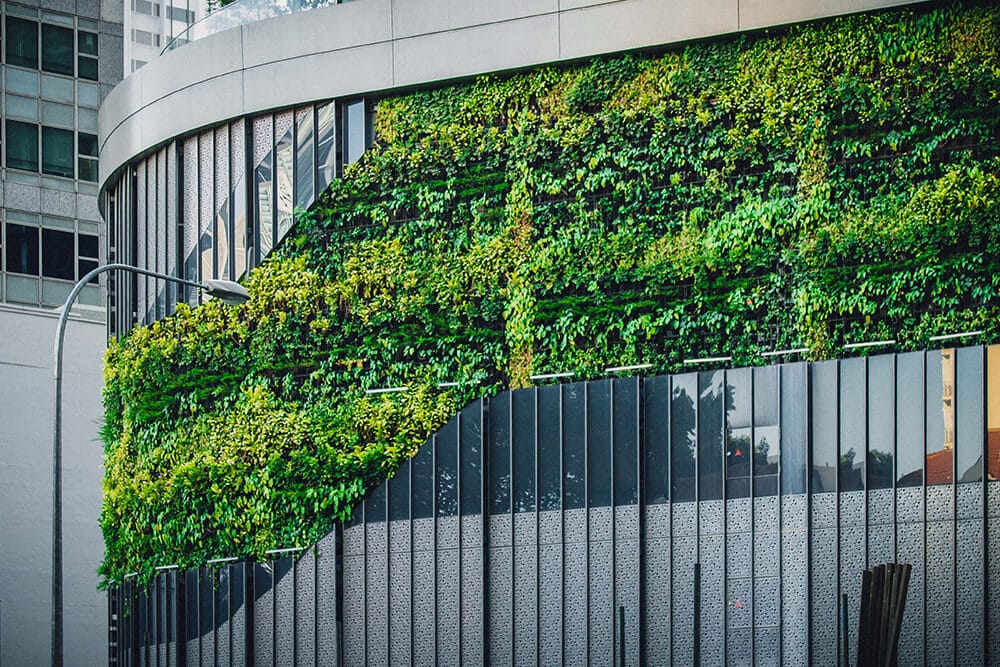
At a time of historical and social change** deep change** from every point of view, first of all for the very concept of industry**, destined to undergo a metamorphosis of fundamental importance, it is no wonder to discover that ** the experts of the sector see also in the enormous potential** building. In Italy, in particular, with well 17 million buildings to be re-trained, the criticalities • and therefore also the potential are really worthy of note, because they could become the vehicle through which solve the problems related to energy efficiency and the reduction of CO2 emissions.
However, the construction of the future** is not only this and it is expected, in the coming years, that development of several trends to lead a global sector that, by 2030, is set to increase by 85% (source PWC Global). Let's find out together what are the five main trends of tomorrow's construction:
- Industrialised building**: construction of the future will have to be characterized by an industrial and technological approach aimed at the systematic reduction of waste, energy efficiency and circularity of the materials used. It is therefore expected that the development of prefabricated, modular and offsite solutions, based essentially on BIM technology, will bring objective advantages to both companies and the environment. In fact, the assembly of an offsite construction provides for efficient management of materials, and therefore a reduction of the costs and the final amount of carbon incorporated into the building. The tolerances can be maintained at the lowest possible terms through the specific order of the materials, at their precise cutting and assembly, and the final result will ensure greater energy efficiency to the structures. It is expected that the industrialization of the constructions will allow a greater control of the entire production process and a consequent minimization of costs and criticality, with a significant increase of the operational efficiency at all levels.
- Circular construction: always according to the BIM methodology, the goal of the future will be to ensure affordable and profitable buildings from the point of view of eco-sustainability and performance for those who live in them. In this sense, the circular building aims at a systematic reduction of waste that, currently, are still sent to landfill as mixed waste through a continuous and seemingly unstoppable flow. It should be considered that this massive production of waste represents both a loss of value and a lack of possibility to reduce carbon emissions, since recyclable materials such as steel produce a certain amount of greenhouse gases compared to the production of virgin materials and that recovering them would actually be less expensive. With the circularity model, materials remain in play for longer and are therefore more reused or recycled, thus mitigating the age-old problem of the resource crisis. Tomorrow's buildings will therefore be real banks of materials, and construction techniques will become reversible, with a design carried out according to the dismantling, so that the demolitions of the structures also take place with the minimum effort and the minimum cost, both for the companies and for the environment.
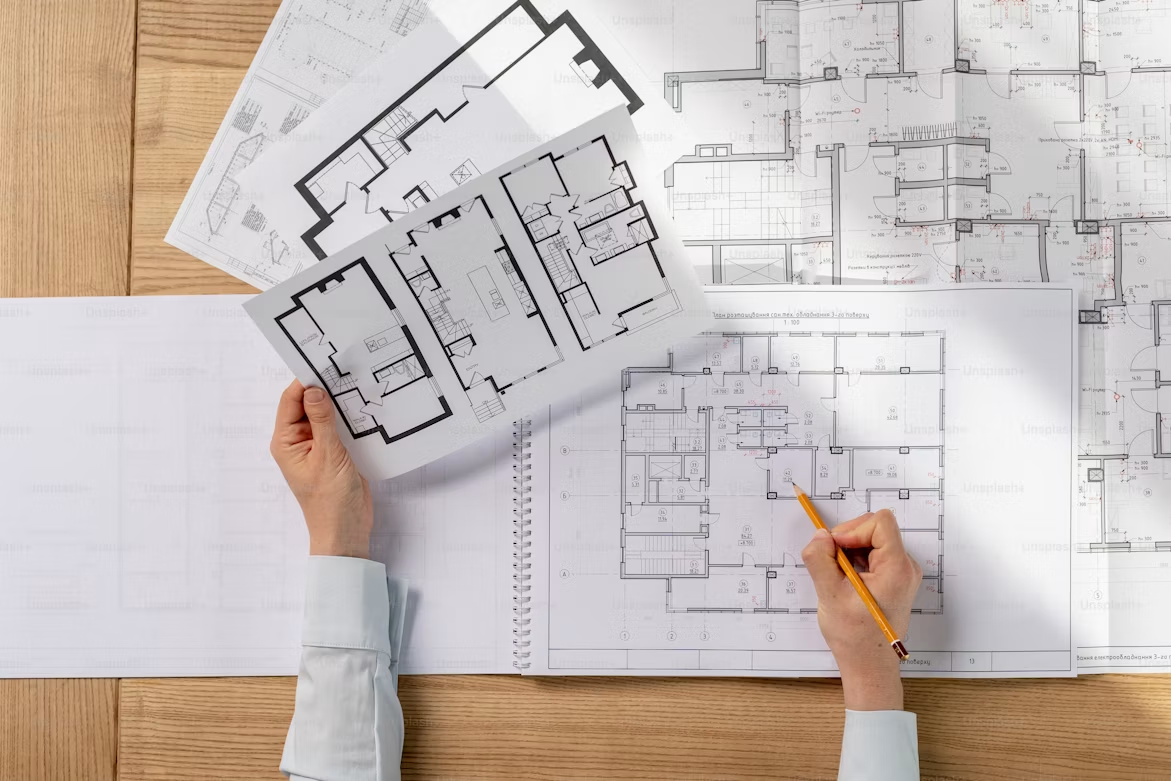
- ** Optimized planning**: tomorrow's construction plans for maximum optimization of design processes, simulating and displaying the final result in advance thanks to technologies such as 4D and 5D. In this way, the operations in situ will become more streamlined, and again reduce the amount of carbon incorporated in the building, limiting to a minimum also the materials used Time, costs and logistics, resulting in improved profit margins and absolute result accuracy. Again, the reduction of environmental impact is one of the most positive side effects of this trend.
- Quantification of environmental cost savings: The construction of the future is aimed at a more marked capacity to quantify energy and material savings in the construction sector, so as to reduce the environmental impact in an increasingly systematic way. Therefore, we will soon be able to expect from the BIM instruments the emission of environmental impact data that will be usable and analyzable both at the time of the design and in that of the actual execution, so as to already highlight the construction potentially more sustainable. Over the years, machine learning that is the basis of artificial intelligence will be a valuable tool to promote the most optimal choices, thanks to targeted suggestions in terms of materials to use, costs to be reduced, carbon savings and even water.
- Energy analysis aimed at delivery accuracy: As is known, energy analysis tools already exist which allow building specialists to maximize performance. However, these tools will further improve and will be crucial during the analysis of the value It is also worth noting that this new trend will allow us to determine more precisely, already from the preliminary stages, how long it will actually take to build and deliver a product.
To view videos, enable external content in your cookie preferences.