The recent European Directive on Green Houses**, which we discussed in greater detail in this article, focuses on the need to ** adapt the buildings to the sustainability criteria** energy (and therefore environmental) required by cities of the future, where the building sector will have to be markedly more eco-friendly. The building block** as a whole is obviously aware of the evolutions it is called to face and, in particular with regard to the ** residential sector**, has been engaged for a long time in adopting new approaches to sustainable design, with an increasing emphasis on the innovative use of eco-friendly materials and on the comfort of the inhabitants.
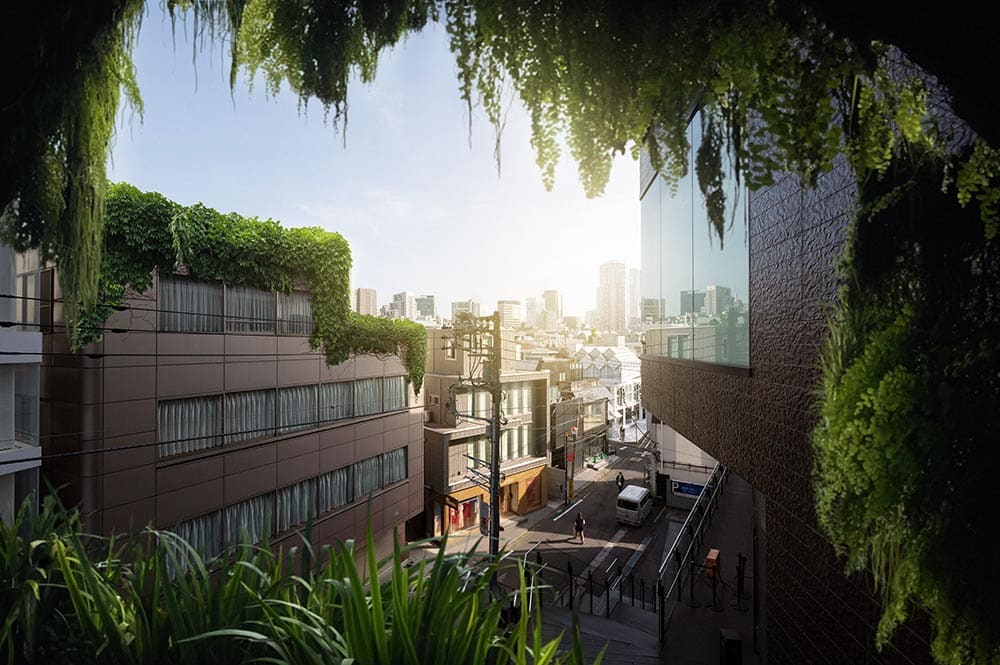
The aim is to create houses that can stand out for their energy efficiency** and harmonious integration with the surrounding landscape, starting from the choice of raw materials (such as wood and recovery bricks, stones local and recycled steel, but also bamboo, cork, hemp concrete and even raw earth) up to the same strategic one of the architectural elements (an example on all are the green roofs which, with the use of grassy mantles and plant species in cover, not only contribute to the isolation of buildings and to the improvement of the quality of the air, but also favor the outflow of the meteoric waters). This trend follows at the same pace the evolution of the concept itself of living, which today more than ever pays attention to the wellness of the people in the new trends of architectural design.
In addition, The sustainable building sector is essential to contribute to the reduction of decarbonisation** and to the fight against climate change, especially if we take into account that the construction sector is among the most energetic in all**: according to this interesting article published by Enel, it contributes, on its own, to more than 34% of global energy demand and 37% to CO2 emissions related to energy consumption.
What does sustainable residential construction mean? As mentioned, buildings of the future are and will be designed to maximize energy savings through efficient and low environmental impact solutions, such as the use of local environmentally friendly materials, integrated renewable energy systems and the presence of large green spaces both indoor and outdoor.
We are already facing an increasing diffusion of living models that place human comfort and sustainability at the centre since the design phase**, with particular attention to the choice of materials**, lighting** and natural ventilation, to synergistic integration between indoor and outdoor and to common spaces that promote the social relations.
It is in this context that we can talk about sustainable housing** , an approach that embraces the concept of sustainability in its broadest sense because it aims to create buildings ecologically responsible, economically advantageous and socially fair. There are some key features that distinguish ** sustainable housing** from simple residential housing**.
- Focus on energy efficiency, using techniques and materials that reduce the energy consumption of the building, such as advanced thermal insulation solutions, highly performing windows and efficient heating and cooling systems.
- The choice and use of building materials sustainable and low environmental impact, such as wood from sustainablely managed forests; recycled or recyclable materials and products with minimal emission of harmful substances.
- The responsible management of water resources, with the implementation of systems for the collection of rainwater, the use of devices with low water consumption and the design of landscapes that favor the infiltration of water into the soil.
- The focus is on the quality of indoor air**, with the adoption of measures to ensure high quality indoor air, such as controlled mechanical ventilation, low emission materials of volatile organic compounds** (VOC) and reduction of indoor pollution.
More broadly, this approach to building also takes into account the bioclimatic design (the discipline that designs buildings taking into account local climatic conditions, to maximise the use of natural resources such as sun, wind and shade for heating, cooling and lighting in the interior), sustainable mobility** (through the promotion of eco-friendly modes of transport, such as public transport, car sharing, mobility on foot and by bicycle, and the availability of charging infrastructure for electric vehicles) and even the adoption of practices for reduction, recycling and proper disposal of waste generated during the construction and management of the building.
The benefits of sustainable housing
It is easy to imagine the many and objective benefits that l[siliable housing** can guarantee at the level of environmental, economic and social. The main include:
- Reduction of environmental impact: Sustainable construction practices reduce the use of non-renewable natural resources, reducing the extraction of materials and energy required for building and operation. This leads to a lower greenhouse gas emission and contributes to the slowdown of climate change.
- Energy savings: Sustainable buildings are designed to be extremely energy efficient. This feature results in lower operating costs for owners and tenants, resulting in savings over time.
- Improving air quality and living comfort: Sustainable building practices promote better indoor air quality, reducing exposure to pollutants and contaminants, thus promoting the health and well-being of the inhabitants. At the same time, sustainable buildings are designed to maximize the comfort of the occupants thanks to the use of techniques such as advanced thermal insulation, the exploitation of natural light and controlled ventilation to create pleasant and healthy indoor environments.
- Adding the value of real estate: Sustainable buildings are increasingly required on the real estate market because they offer tangible economic and environmental benefits in the long term. As a result, they enjoy a higher resale value and a higher financial stability over time.
- Short maintenance costs: Technologies and materials used in sustainable buildings are designed to be safe, reliable and durable over time and require less maintenance than those used in traditional buildings.
- Promotion of sustainable development: Sustainable buildings contribute to promoting more sustainable urban development, integrating the environment built with the surrounding natural environment and reducing the overall impact on the local ecosystem. In summary, Sustainable building focuses not only on environmental protection, but also on obtaining economic and social benefits, contributing to a better quality of life for people and to a greater sustainability of communities as a whole.
Because sustainable construction plays a central role in a future friend of the environment L'ébuilding sustainable plays a central role in a future eco-friendly because it extends far beyond the simple construction of buildings. It is in fact a holistic approach that takes into account the interconnections between the built environment, the surrounding natural environment and the people living within them.
By promoting energy efficiency and the responsible use of resources, sustainable building requires the design of buildings that consume less energy during their construction and use, thus reducing greenhouse gas emissions and the use of fossil fuels. Moreover, it favours the use of sustainable and low environmental impact building materials, reducing the depletion of natural resources and the production of waste. Sustainable building also aims to improve the quality of life of those who live in buildings thanks to the creation of overall more healthy, comfortable and safe living spaces**.
The important factor is also the conservation and regeneration of natural ecosystems:** sustainable construction actively contributes to the conservation of existing green areas**, to the creation of public open spaces** and to the development of urban biodiversity**. Finally, it encourages the participation and empowerment of local communities, fostering a sense of belonging and responsibility towards the built environment. This approach leads to greater social cohesion**, the creation of support networks and the promotion of values of sustainability within the community.
In short, sustainable construction is essential to achieve a future that can really propose an integrated vision of urban space design and management based on the principles of responsibility, equity and regeneration.
To view videos, enable external content in your cookie preferences.