The goal of sustainable construction is not only to design and build buildings that are less energetic and less impacting from the point of view of pollution, but also micro-ecosystems in which the quality of life of the inhabitants is significantly implemented. In a concept that is now more and more marked by urban sustainability at all round, not only the careful study of spaces but also the increase in collective well-being play a key role, which begins to reverberate already from the very first phases of study of buildings.
In this sense, therefore, the sustainable building must be considered a design and constructive approach aimed at achieving a cross-cutting positive impact, which affects both the territory and the individual. In fact, they are closely linked: a healthier environment increases the quality of life, and happy inhabitants will help to maintain the healthy environment in which they live to continue to benefit from the degree of well-being to which they are accustomed.
What is sustainable construction and what problems it answers ** sustainable building** The construction approach that began to take hold in the 1970s** in response to an ever-increasing energy crisis**, and aimed at the need to save energy** while at the same time reducing environmental pollution**. In view of the fact that the climate and environmental criticalities** have increased exponentially over the last three decades, the techniques of bio-building have moved from giant paces and are currently characterized by constant innovations. Today, it is proposed to create buildings that are no longer energized as in the past, but almost-zero impact**. Also known as passive houses, green houses or even eco-houses, eco-sustainable buildings can be of new design or existing buildings subjected to a deep structural transformation and sometimes even stylistic with the ultimate aim of ** polluting less**. At the same time, such buildings will also have to guarantee an excellent degree of comfort** to the people who live there, thus impacting positively on the health of the planet and its inhabitants (human, animal, vegetable), on the economy and on the social substratum. By improving the environmental conditions, also the well being of human beings is increased.
From materials to water, from energy to health: the impact of bio-building on well-being The first positive impact on the quality of living** guaranteed from sustainable building is realized in the use of natural materials, not hazardous to human health , therefore healthy and totally safe. The designer will lean on the choice of materials of excellent quality, obtained from renewable sources, possibly recent locally (in the so-called zero kilometre chain) and whose production will therefore influence positively the economies of the territory, promoting its development. The increasingly systematic reduction in transport costs will reduce the pollution rate**, making the ecosystem healthier for all those who live in it. Alternatively or in addition to natural materials, eco-houses may also involve the use of recycled or recovered materials at local level: again, it is easy to understand how the reduction of waste production and a continuous and constant life cycle of materials can contribute to the concept of well-being as a whole.
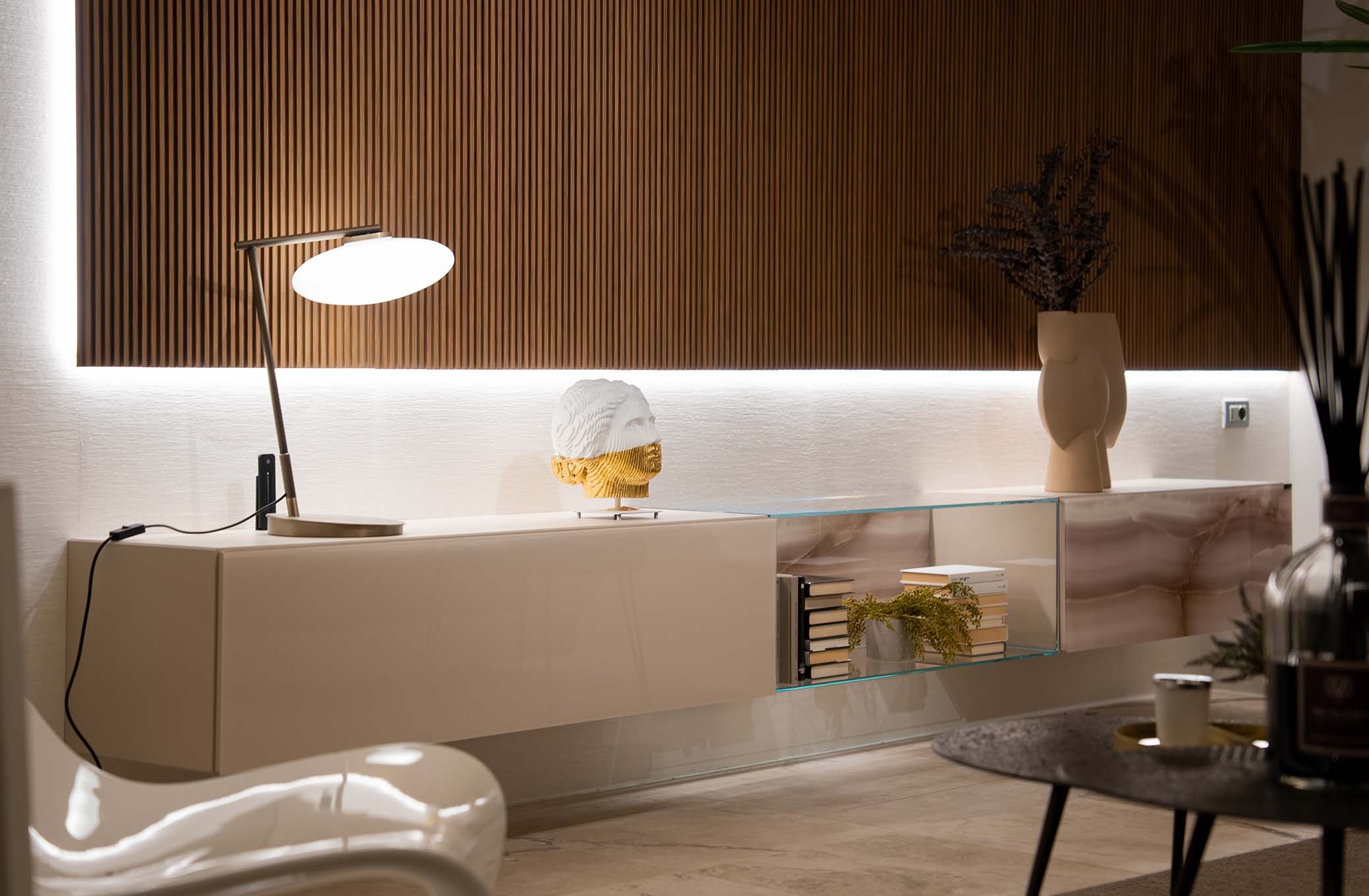
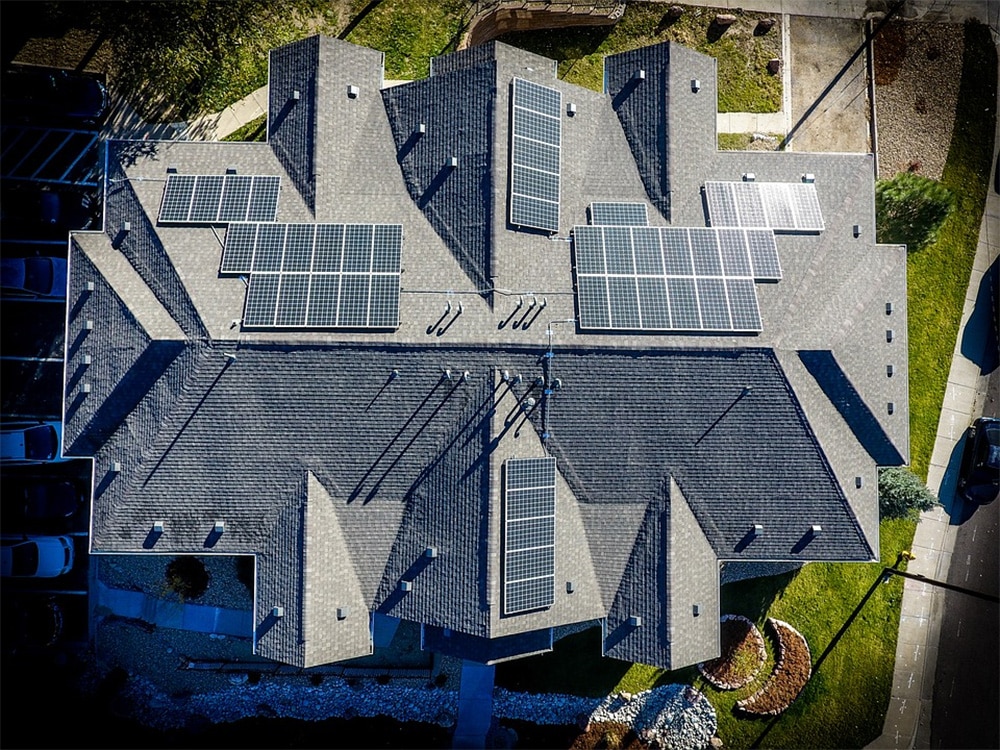
As for contrast to consumption, bio-building focuses on the passive house, i.e. buildings that can cover the energy dream completely necessary to heat and cool the environments This type of approach, when combined with an accurate design in terms of thermal insulation**, will drastically reduce the costs in the bill** and the pollution of the territory, while ensuring an excellent degree of well-being within the buildings. And, also, carefully design the internal environments** and their brightness** and natural aristocraticity** will allow to give life to homes not only functional, but also equipped with a sort of intrinsic intelligence, because they are structured in such a way as to reduce the need for natural light. All this, naturally added to technologically advanced solutions such as those finalized to the use of renewable energy (wind turbines, solar panels, intelligent lighting) and domotic or smart home. The important ** aspect of the water**, very precious that should never be wasted as not infinite, will be realized in a ** reduction of consumption**.
The latter will be reduced through a series of evolved design solutions, such as the collection systems for meteoric waters (rain, hail, snow) or those for recycling water used for discharges and irrigation of the soil.
To view videos, enable external content in your cookie preferences.