The criteria and expectations for the energy efficiency in buildings provide that, within 30 years, buildings are increasingly green and increasingly smart. Already at the end of 2018, the new European Energy Performance Directive in the construction sector had defined guidelines to completely revolutionize the sector, with the aim of not only a more eco-sustainable , and therefore more respectful of the planet , but also improved in terms of comfort.
The EU therefore stipulates that by 2050** both public and private buildings built within the territories of the Member States will have to reduce their consumption to almost cancel them. Directive 2010/31/EU on the energy performance of construction products.
The three guidelines of the EU and the importance of intelligence indicators In particular, the EU focuses on three guidelines**:
- The obligation to improve the energy performance of both existing and new buildings
- Countries' strategies for the renovation of buildings and intelligence indicators**
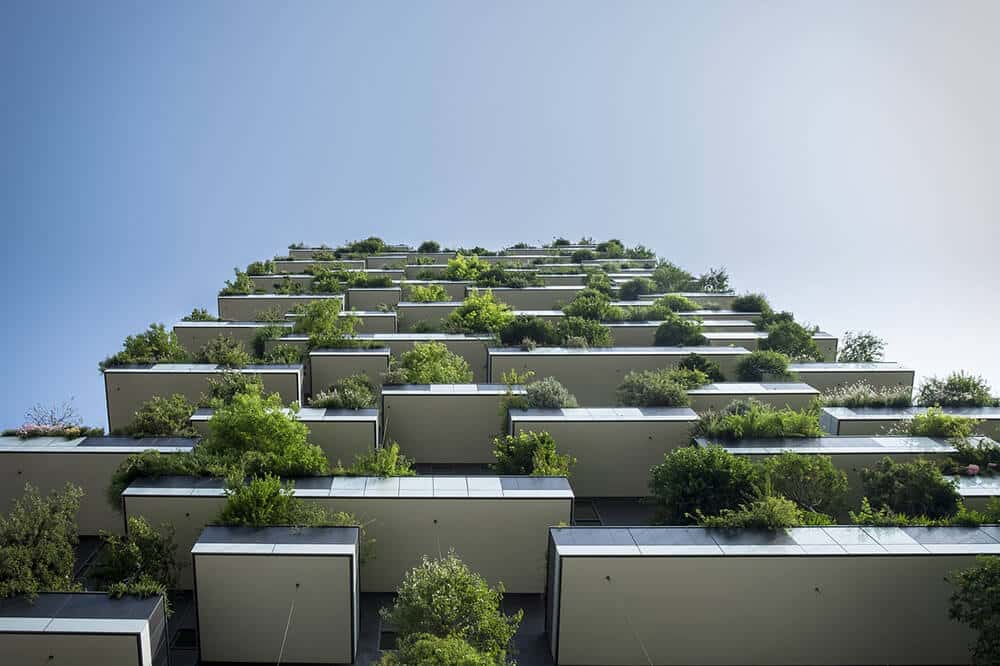
- The support for the development of charging infrastructure for electric vehicles Here, therefore, to look at the concept of urban sustainability is no longer only related to buildings but also to mobility. The starting point, however, is and always remains building, i.e. the sector that individually consumes well 40% of the energy, in a current context that sees about 75% of buildings in Europe not efficient from an energy point of view. A trend, this, inevitably destined to change and that could also benefit the sector, giving work to about 18 million people. The long-term objective remains to reduce emissions from public and private buildings in a percentage of up to 85% compared to 1990 levels. In practice, this means designing and building buildings strongly decarbonised and intervening on existing structures to significantly improve their energy efficiency. As for the so-called intelligence indicator indicated in point 2, this is a new tool that analyses and measures the capacity of construction products to improve their performance and interaction with the network, in order to adapt energy consumption to the real needs of those living in the environment, reducing waste. At a practical level, the intelligence indicator is realized by replacing the traditional heat generators with ** automated devices** able to regulate the temperature levels in buildings. A virtuous example that has already been applying these new rules for some years, and that represents the green approach that the European Community has defined for the member countries, is the eco-quartier Vauban in Freiburg. Built in the early 20th century, it has been completely rethought in an environmentally sustainable way and is today a triumph of solar panels, green roofs, tree-lined avenues, pedestrian streets designed for children and homes with very low energy consumption. Definitely a case study from which to take inspiration.
To view videos, enable external content in your cookie preferences.