In modern construction, the choice of the foundation is rightly considered one of the fundamental aspects to ensure the stability and durability of a building. Among the most used options, especially in particular in particular situations, stands out the Platea foundation: a versatile and reliable solution, appreciated for its ability to distribute evenly the loads of the structure on the ground, minimizing the risks of differential and cracks. But what what is exactly a platform foundation? What are its ** main characteristics** and in what cases is the ideal choice? Our article aims to provide a detailed overview of this type of foundation, exploring its operation, advantages and practical applications. At the end of the reading, it will be possible to have a clearer understanding of how the foundation to audience is included among the most widely used construction techniques for modern buildings
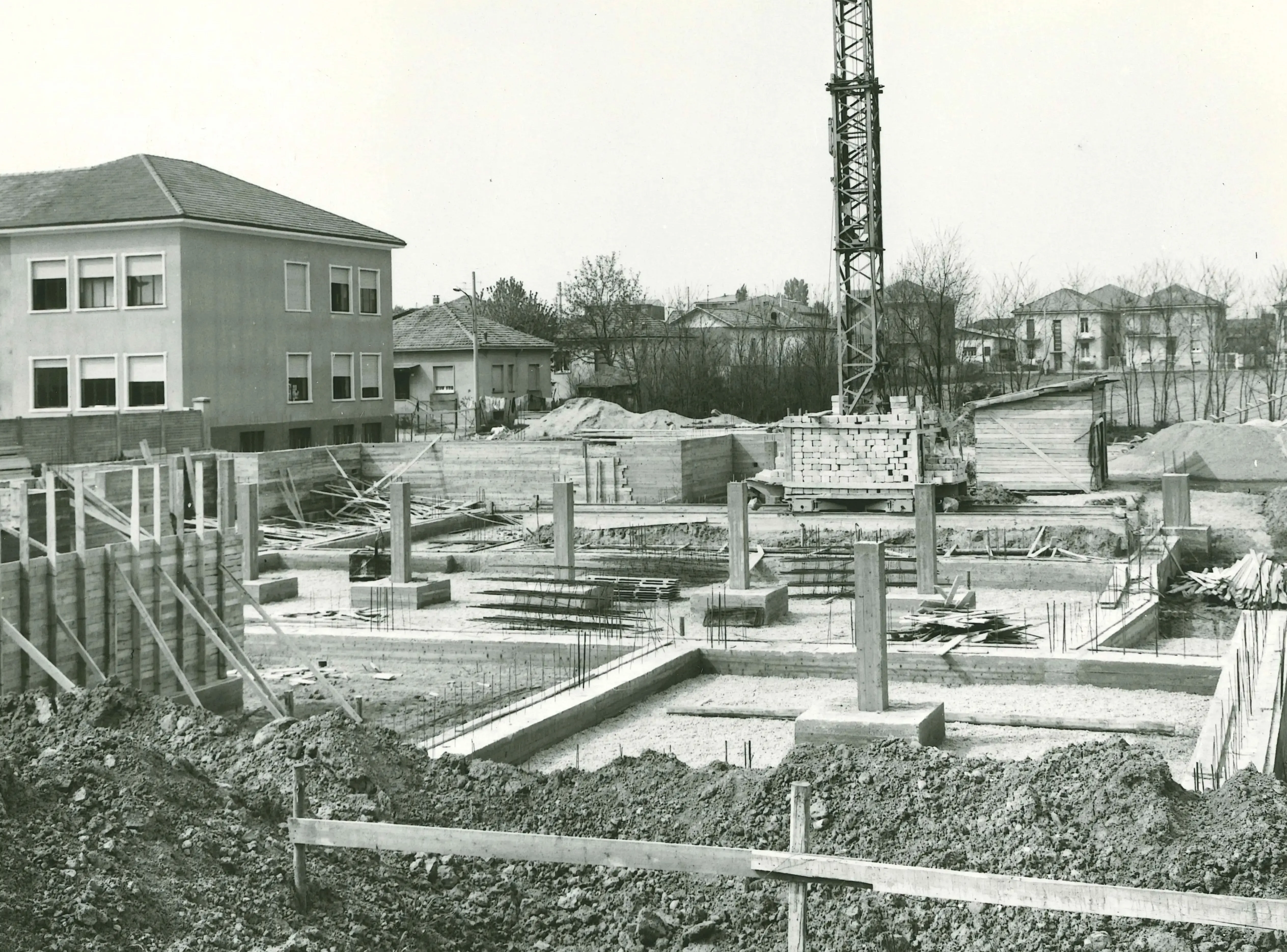
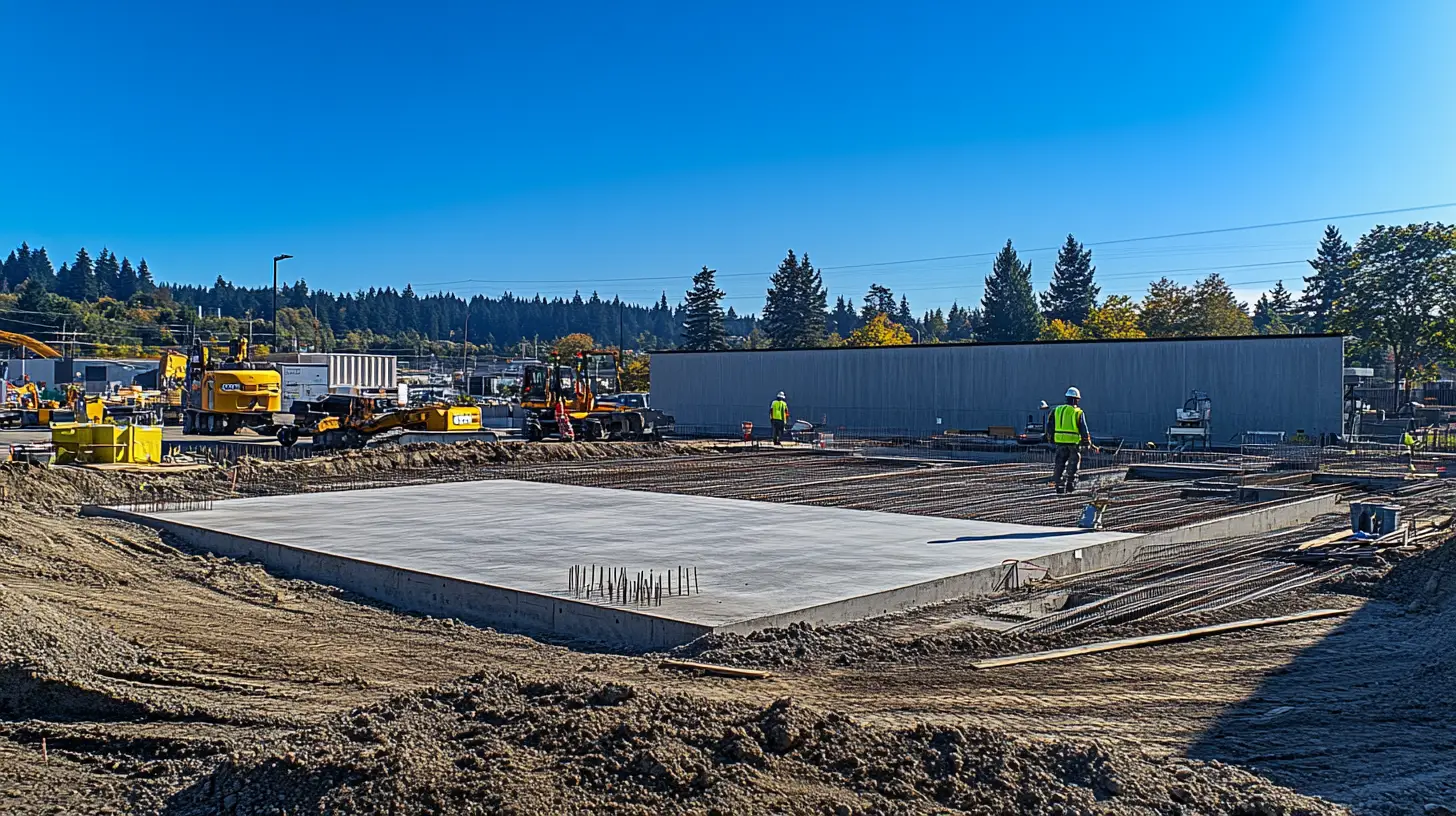
What is a foundation in the audience? Platea foundation is a type of surface foundation designed to support buildings distributed on soils with characteristics of limited or uneven resistance. At a practical level, it is a continuous plate in concrete concrete that covers the entire area of the building, ensuring a homogeneous distribution of loads on the ground. Thanks to this particular characteristic, the audience minimizes the risk of differential failure**, protecting the structure from deformation or cracks.
Main components The platform foundation is based on materials and techniques that ensure high stability and durability for the building construction. Essential elements include:
- *Foothold: It is the base of the audience and is essential to provide strength and durability.
- ** Steel armor**: inserted into concrete, improve the capacity of the plate to withstand high loads and withstand stress.
The thickness of the plate foundation Typically, the thickness of the plate foundation varies between 40 and 100 cm. However, it can be adapted to specific factors, such as:
- **Harder buildings will require thicker plateaus.
- Soil characteristics: a less resistant soil may need a larger plate to ensure stability. The configuration just shown makes the plate foundation an ideal solution to ensure a uniform and effective support**, especially in contexts where other types of foundations may prove inadequate.
Structural characteristics of the La platform foundation Platea foundation It is a robust and versatile solution, appreciated for its specific structural characteristics that make it ideal in different geotechnical and construction conditions. Its continuous structure and the available design variants guarantee both efficiency and safety.
Types and function of the platform foundation There are different configurations of the platform foundations, each designed to meet specific structural needs and ground conditions:
- Platea with uniform thickness: is the simplest configuration, where the concrete plate maintains a constant thickness throughout the area. It is used mainly for small or medium-sized buildings on soils with a good uniform bearing capacity.
- Nerve plate: includes a network of beams, called ribs, integrated into the concrete plate. These ribs increase strength and reduce material necessary, making the solution suitable for larger structures or land with variable bearing capacity.
- Fungo plate: is characterized by the presence of localized thickening, called 'funghi', positioned under the main pillars. This type is designed to counter the stresses of cutting and punching at the most critical loading points, and is ideal for multi-storey buildings or with concentrated loads. The main function of the plate foundation is to evenly distribute the weight of the entire structure on the area of contact with the ground. In this way, the specific pressure exerted on the ground is reduced and the risks of differential leakages are minimized, which could compromise the stability of the building.
The advantages of the foundation in the audience The ** foundation in the audience** is one of the most appreciated solutions in the building sector thanks to the advantages it guarantees.
- High structural rigidity: the reinforced concrete continuous plate typical of the plate foundation guarantees the artifact a superior stability.
- ** Uniform distribution of loads across the concrete plate**: is essential to prevent the weight of the structure from concentrating on specific points. This homogeneous distribution reduces the pressure exerted on the ground and improves the overall stability of the architectural work.
- Suitability on soils with poor bearing capacity: thanks to its large contact surface, the plate foundation is particularly effective on soils that are not resistant or subject to uneven compressions.
- Reduction of differential yield risks: due to its rigid structure and uniform load distribution, the plate foundation minimizes the risk that the soil will yield in a uneven way. This advantage ensures greater durability of the structure and prevents costly maintenance or repair over time.
- Protection from ascending humidity: to conclude, the plate foundation offers effective protection against ascending humidity, which can damage building materials and compromise the health of the interiors. The concrete plate acts as a continuous barrier, preventing the humidity of the soil from infiltrating the structure. In addition, it is possible to integrate waterproofing systems to further improve this protection, to guarantee even more dry and safe environments.
The applications of the platform foundation Thanks to the advantages listed above, the platea foundation is widely used in a variety of construction contexts. In general, it is particularly suitable for situations where the soil conditions or structural characteristics of the buildings require reliable and performing solutions. At a practical level, it is widely used in the construction of ** single-family houses and medium-sized condominiums**, especially in areas with low-resistant soils. Due to its rigidity and the ability to avoid differential failures, it protects buildings from structural deformations, ensuring them greater durability.
In addition, commercial and industrial structures such as houses, warehouses and logistics centres require solid foundations to support high loads and often concentrated in specific locations. The platform foundation, especially in nervata or mushroom variants, is ideal to withstand the weight of machines, shelves and dynamic loads typical of these environments. In multi-storey buildings, such as offices and skyscrapers, the platform foundation offers a stable base to support extremely high loads. The mushroom variant, with thickening located under the pillars, is often used to counter concentrated stress, reducing the risk of failure. The platform foundation is again an optimal solution**, such as sandy, clayy or with variable bearing capacity. Its ability to distribute loads on a large surface reduces the risks of instability and ensures a solid construction even under unfavourable geographical conditions. The platform foundation is also used for infrastructure works such as bridges or stations,** especially when the underlying ground is not strong enough to support traditional foundations. The continuous plate guarantees stability and safety in large projects.
Finally, in the context of the renovations, the platform foundation is often used to consolidate existing buildings, especially when new structures are added or existing ones are modified. Its versatility allows it to adapt to different design needs, improving overall stability. Ultimately, the technical characteristics of the plate foundation and the objective advantages that distinguish it classify it as among the ** most strategic construction solutions to ensure stability, safety and durability in a wide range of building projects**.
To view videos, enable external content in your cookie preferences.