In real estate**, the growing popularity of altitude gardens and large habitable balconies is strongly linked to the evolution of the concept of home** which has characterized the last four years.
The turning point in the way of conceiving, living and interpreting the house coincided with the emergency health that forced millions of people to spend much of their time in the home walls ♪ certainly much more than they did until 2020 ♪ transforming what until then had been only a home ♪ office** , a ** gym** , a ♪ shelter** ♪ and a place where to relax and establish social relations (of course virtual). The need for contact with nature and the desire to be able to access the outside spaces** already starting from their own home. Balcons, terraces, gardens and solarium have thus become real oasis of well-being, influencing the way people conceive of the domestic environments: no longer isolated universes but biunivo corridors from and verse the surrounding world. At the end of the emergency health, ** availability of balconies and terraces** continued to be one of the key discriminations for potential property buyers. For many homeowners, however, it has become imperative optimize or even expand the private outdoor spaces to make them even more welcoming and functional. scientific research This is a very important step in the direction of the future of the world, which shows that it is possible to spend time outdoors** and in contact with nature to bring significant benefits to the mental well-being** of people, relieving stress and improving the mood. At the moment when access to the outside world was, by force, prevented or limited, the desire for preservation of the environment and connection with the outdoor became crucial, so much so that it had radically revolutionized the latest trends in the real estate sector.
Besides all the integration of nature within the homes, with the creation of harmonic flows between indoor and outdoor (for example with the help of natural and material materials, or installing sliding doors and panoramic windows that allow you to enjoy the view of the garden or the surrounding landscape even when you are inside), the gardens at altitude and living balconies emerge as innovative solutions and particularly sought to realize this .
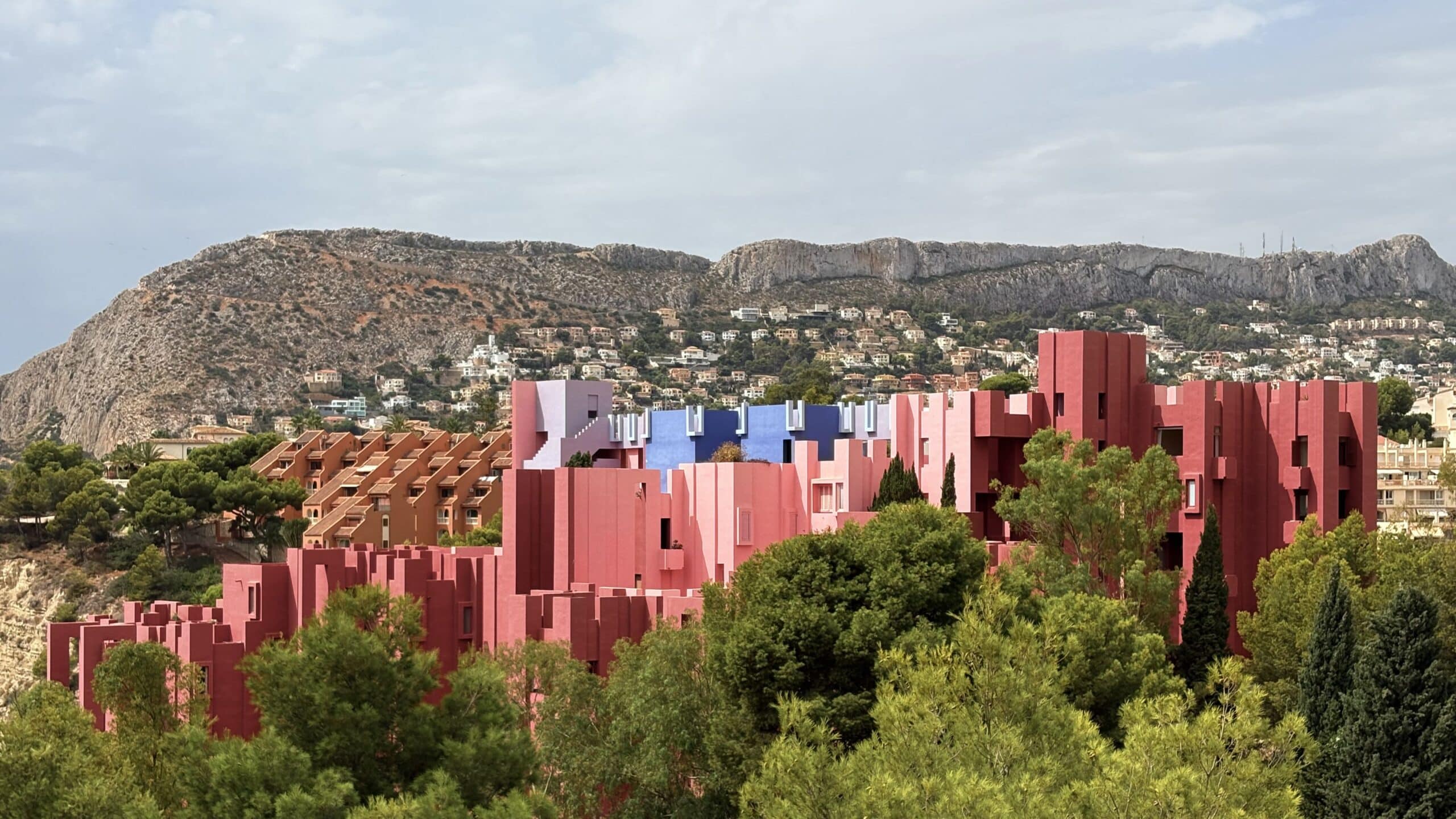
The gardens at the height: the green accessible at different altitudes The concept of garden at altitude refers essentially to green spaces and areas of vegetation "live" made on raised surfaces, such as ** roofs, terraces, balconies or upper floors** of buildings. These solutions are designed with the aim of integrating natural elements within densely built urban environments, offering both aesthetic and functional benefits.
The definition of garden at altitude may vary depending on the context and environment in which it is realized, but generally • it implies the creation of a plant environment on a high surface. These gardens can be made in different forms and sizes, from small flowerbeds on residential terraces to large hanging gardens on urban skyscrapers. Regardless of its extension, shape, size, plant species and context, garden at altitude is always realized according to specific principles:
- Sustainability: The solution must contribute to the environmental sustainability of urban areas by reducing the impact of waterproofed surfaces, improving the quality of the air and providing habitats for the fauna that lives in our cities.
- Health benefits: The presence of green in the urban environment is associated with physical and mental health benefits, with reduced stress, improved mood and promotion of a healthier and more active lifestyle.
- Aesthetic: The gardens at altitude add aesthetic value to buildings and urban spaces, creating oasis of beauty and tranquility even in poorly green environments.
- Functionality:Altitude gardens can also be designed for functional purposes, such as food production through urban garden culture, rainwater management through natural absorption systems or the creation of spaces for entertainment and relaxation. Ultimately, the altitude gardens should be considered an innovative form of urban design which aims to reintegrate nature within cities, and which now more than ever finds room in the design of new buildings as well as in the redevelopment of existing buildings. Providement to have a garden at altitude are easily imaginable. Besides contributing to improvement of air quality in urban areas, thanks to the absorption of atmospheric pollutants and the release of oxygen, these solutions reduce stress and anxiety and promote psychological regeneration. As is known, exposure to sunlight and contact with nature can help to reduce levels of cortisol, stress hormone, improving mood. In addition, the care of a garden at altitude often involves ** light physical activity, such as pruning of plants, sowing or harvesting, and thus helps to maintain physical form by promoting flexibility and mobility. For those who choose to grow vegetables, fruits and herbs in their own garden at altitude, there is also the additional advantage of ** consuming fresh, nutritious and self-produced foods**.
It is also worth mentioning the cognitive benefits** of this approach to the home-urban sphere: interacting with nature and participating in gardening activities can improve concentration, memory and problem resolution capacity. This is particularly important for older people, as it can help to maintain mental health and cognitive function. Finally, the gardens at altitude can be transformed into meeting points for the local community, offering a space for social activities and interaction between neighbors and fostering a sense of belonging and social cohesion, which in turn can improve emotional and psychological well-being**.
The balconies become outdoor lounges Second as recently revealed from the global project Air Quality Connected Data by Dyson, which has examined indoor air quality data from over 2.5 million connected air purifiers, we currently spend up to 90% of our time in indoors**, whether they are the home or office. It is an alarming data that well highlights the deep disconnect with the nature that recent lifestyle trends are trying to fill.
As previously indicated, the human being needs to stay outdoors to feel better and, for this reason, arises the need to have points of contact with the outside already in our homes. In this growing trend towards a lifestyle that enhances the ** activities outdoors** and the connection with nature, larger balconies provide an additional space for growing plants, exercising, organizing lunches or dinners outdoors and simply enjoying the surrounding landscape.
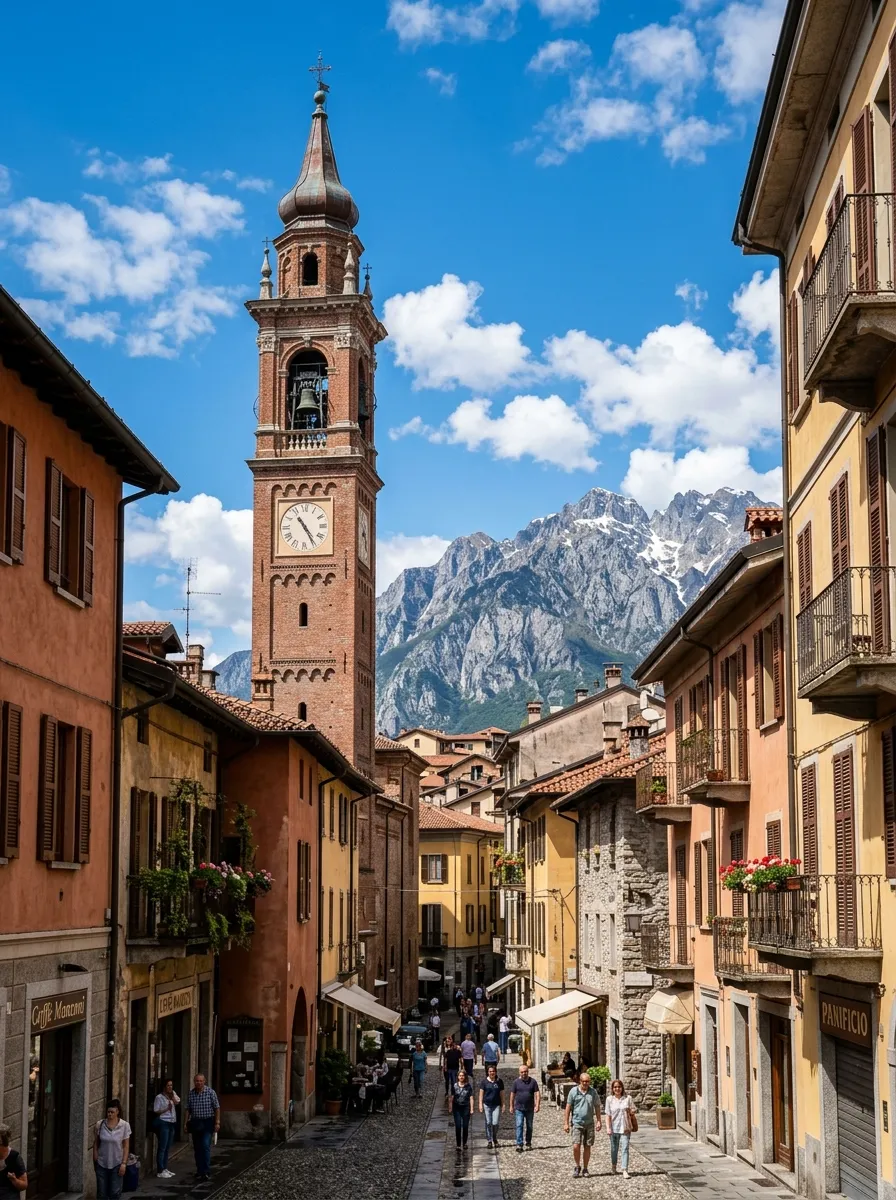
In addition, the immobili with large balconies tend to be more popular on the real estate market, since they offer a real competitive advantage over properties without external spaces or with smaller balconies. As a result, the constructors respond to this need by designing and restructuring homes to include more spacious balconies or even private terraces. An example of complete rethinking of the balcony, designed as integral part of the house and habitable environment is clearly visible in the projects of the Residence San Martino 1 and 2, recently realized by Schiavi Spa in the beautiful setting of the city of Lecco. In both these real estate projects, the balconies are in fact of extremely large dimensions, turning into outdoor lounges with large spaces to live and from which to enjoy exclusive views on the 'pearl of the lake" . We are talking about real and own paths organized with extreme attention to dialoguing with the house, the city and the surrounding nature.
This is a radical change**: the balconies, in a recent past simple accessories to the apartments and too often of asphyxiation dimensions that did not offer any real possibility of use, evolve in this way into tangible outdoor domestic spaces capable of guaranteeing both privacy to the inhabitants and synergistic penetration into the surrounding context.
Thanks to the wide availability of space, these lounges in the outside can be so furnished**, decorate with living green and even vertical gardens, further enriched with lighting systems and, more generally, transformed into environments where working, relaxing or socialize, embodying the true synergy between design and functionalityof the outdoor spaces. In this way, not only the balcony but the house as a whole changes its essence: while remaining an environment designed to safeguard the intimacy of the inhabitants, it does not lock them inside but offers them the possibility of open to the surrounding world, experiencing at all times a new form of connection with the natural element.
To view videos, enable external content in your cookie preferences.