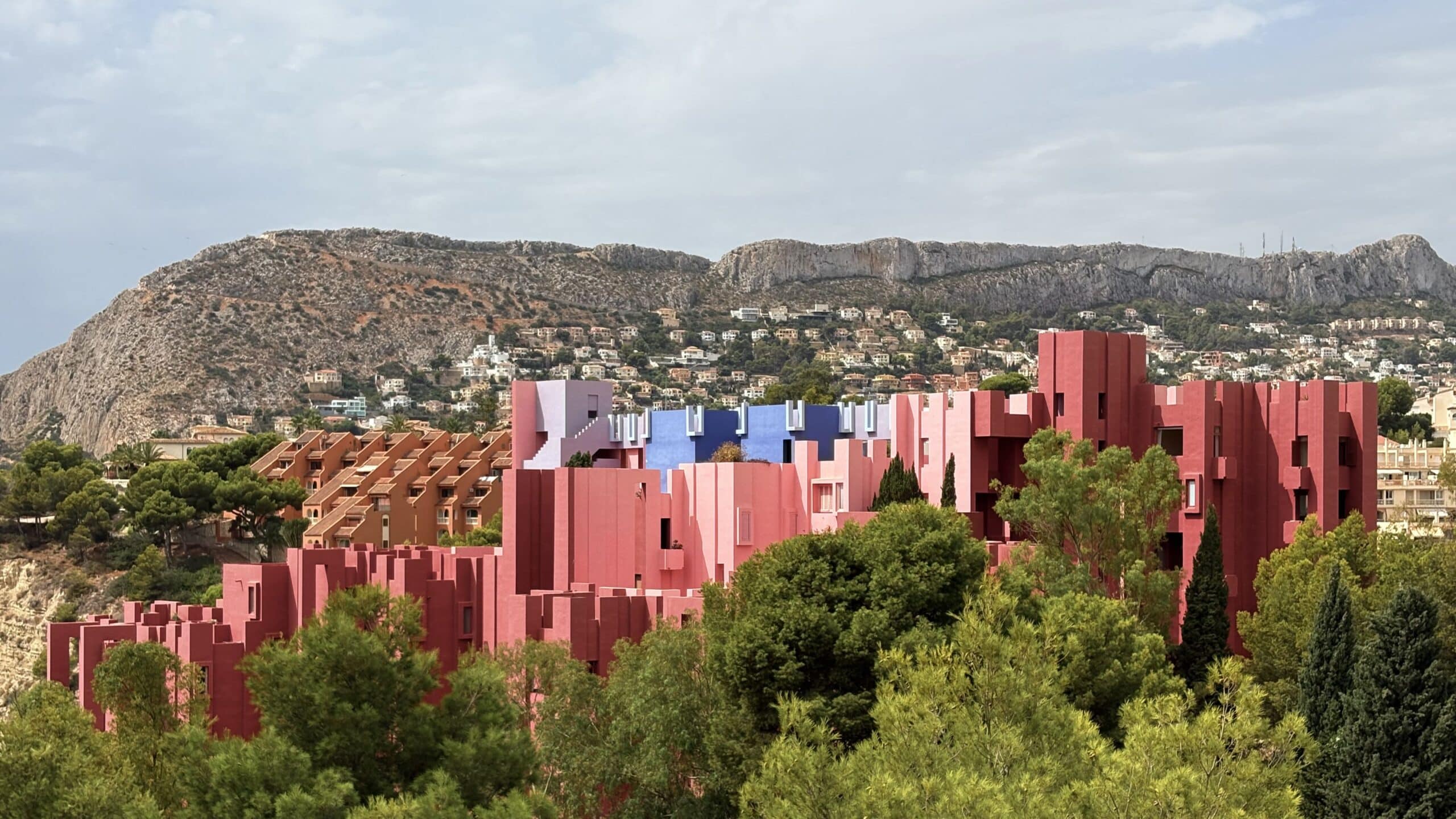
One of the currents considered most interesting in constructive context is the so-called parametric architecture** , result of ever more advanced and technological design processes, especially in terms of digital prototype. The possibility of imagining and realizing buildings in a virtual space allows today designers and architects to give life to something that was once only conceivable. In the case of parametric architecture**, we are faced with almost abstract construction concepts of exquisitely free shape**, characterized by very large lines and irregular shapes: the result is a roundup of buildings that seem to come from dreamlike perspectives, and that in some cases go well beyond the futuristic imaginable**. But what exactly is parametric architecture?
Parametric architecture: buildings from an algorithm scheme As mentioned, parametric architecture current takes shape in a digital environment, that is virtual. It is an innovative design process based on a architecture of algorithms and that allows to establish specific rules and parameters for the definition and organization of relationship between design requirements and final product. Architects around the world have expressed a marked interest in this new approach, which amples the limits reachable from traditional construction and which, hypothetically, could create tomorrow buildings that are truly characterized by unpublished geometry, the result of the interaction between different elements. parametric buildings generally have a curvilinear design, with parabolic shapes and volumes or that are inspired by other fluid forms originating from arches.
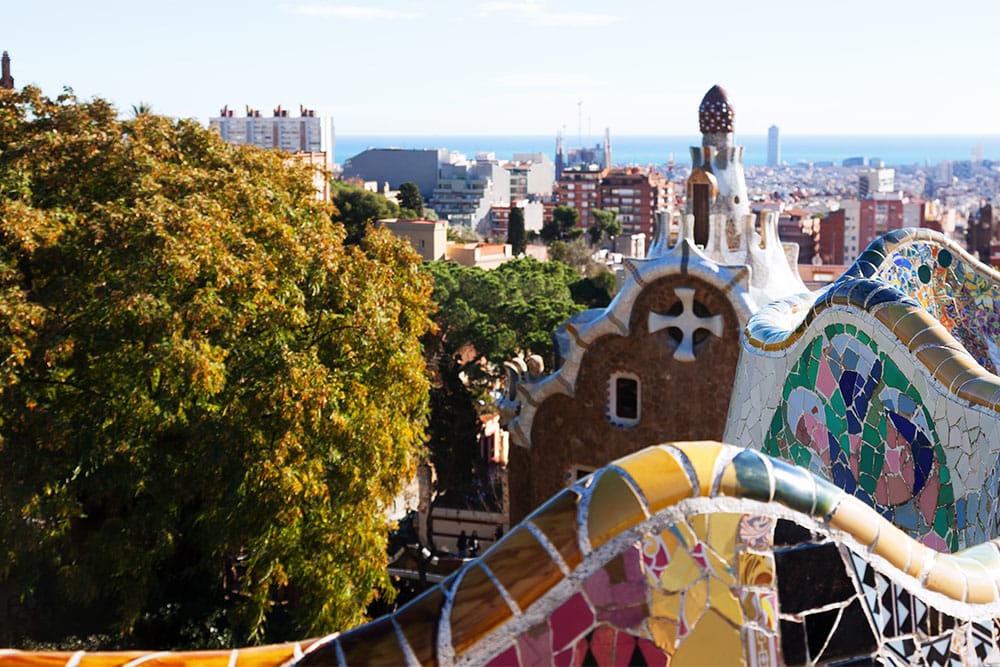
In reality, in the concrete world, such projects already exist: this is the case for example of the TWA building and the ice rink Ingalls a Yale, both signed by the designer Eero Saarinen, which, however, does not derive from a digital design. Saarinen has in fact failed in 1961. And, before that, there was at least another extraordinary architect who was able to transfer from mind to reality the parametric design We are talking about SpanishAntoni Gaudí, which is due to some of the most important (and seminal) architectural achievements resulting from the application of this approach: the Sagrada Familia, for example, is based entirely on the concept of chain arches; La Pedrera, that is house Milà, is an architectural jewel whose wavings recall the movements of the natural landscape of a hill, a rough sea or even the dunes of a desert; and house Batlló even seems alive and in perpetual motion because of its swaying appearance, enhanced by the intelligent use of colours and materials.
Parametric modelling: at the heart of tomorrow's buildings? The contemporary parametric architecture aims to create even more sinuous and curved buildings** than those designed by Antoni Gaudí and, in such a complex context, the use of digital technology** will prove to be fundamental. parametric modelling will result, in this case, in the realization of virtual models based on the aforementioned algorithms and default rules: the so-called parameters This means that the system will define the shapes and elements of the building based on internal logic arguments, and that it will do so in a nearly automatic way thanks to the creation of relationships between the different components of the project. The rules will also the ability to adapt to the modification of some parameters. For example, if the rule requires that the walls begin at the floor level to reach the ceiling, changing the height between the floor and ceiling the walls will adapt accordingly.
This type of modelling has already led to some concrete results: this is the case of the national stadium in Beijing, built in 2008 as an optimized building for athletic and football; of the Shanghai Tower, parametrically structured with the help of a modeling tool called Grasshopper that takes into account the relationship between shape, design and wind; as well as Oculus, the World Trade Center Transportation Hub by New York, designed by Santiago Calatrava to challenge the preconceived idea of shape and line applied to architecture. With the evolution of technology and the fastest innovation that will certainly affect the modeling tools, it is only necessary to wait for the development of new, futuristic buildings. According to parametric architecture, the only limit to architectural creation would seem in fact be l. imagination of the designer
To view videos, enable external content in your cookie preferences.