In view of the increasingly sustainable construction**, the bio-composition building materials** play and play an increasingly crucial role. The reason is simple: encouraging the development of the circular economyThese materials reduce processes**, whose environmental impact tends to decrease significantly**. In more general terms, bio-compositive building materials** will go in the near future and replace, perhaps not very fast but certainly progressive, the traditional technological solutions** still used on a large scale.
In this sense, it is important to understand that moving in this direction will eliminate all those materials and processes that are unsustainable** both in terms of realization and disposal, and that are responsible for a massive production of CO2. Despite the changes in the construction sector are, by their nature, ** slower than in other industries**, the continuous contribution of producer and researchers contributes increasingly to making the bio-complex building materials the great protagonists of many new achievements. Let's see together what are the main ones.
The bio-mantone in hemp and lime: high performance and low environmental impact The bio-mantone in hemp and lime is the result of a project carried out in partnership ** between ENEA and the Politecnico di Milano**, and called
The use of hemp should not be surprised, since it is not entirely new all" green building: this natural material ensures a limited impact on the environment** also in terms of production cycle, offering at the same time ** very interesting and versatile techniques**. For the realization of the bio-bricks in question, it is used specifically the wood waste of industrial hemp, called canapule, then mixed with lime and obtaining a material isolated and porous, also perfect to avoid the formation of molds.
The bio-matton of bacterial origin that does not need heat during production Another bio-compound building material is particularly interesting matton obtained from bacterial cultures able to convert sand, other raw materials and nutrients into biological cement. In this case, bacteria go to replace heat in the production of the ** calcium carbonate**, which aims to harden the sand and transform it into a building material resistant and reliable.
The entire process of production of bio-bacterial bricks is carried out at room temperature, and consumes less energy than traditional materials, which require heat. Ultimately, bio-brick of bacterial origin is a building material organic that brings with it countless advantages, also in application terms: it is characterized by great breathability and absorbability of polluting particles present in the atmosphere.
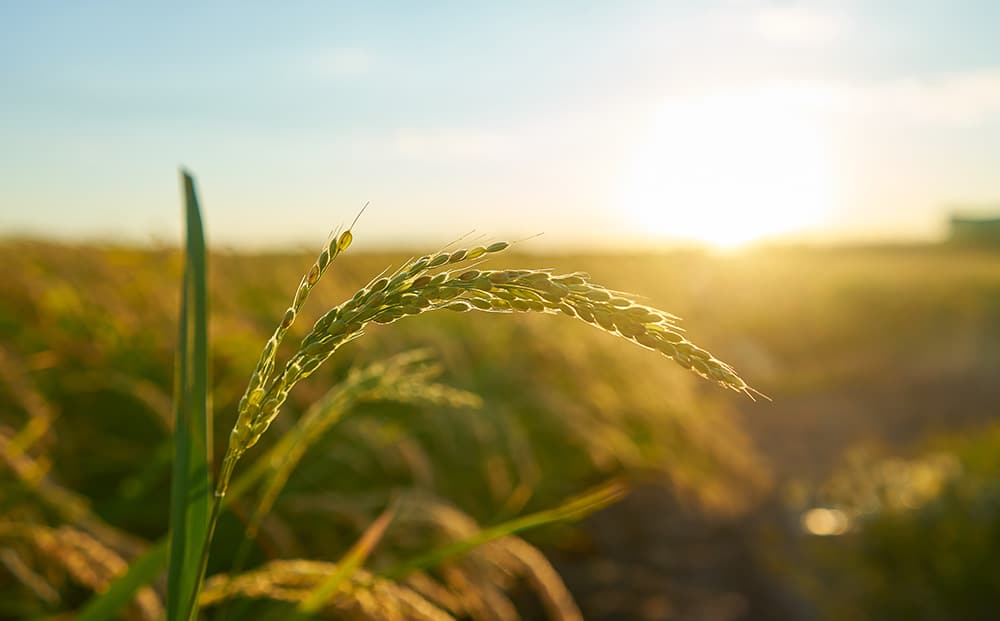
The building materials obtained from food waste, for excellent performance at a low price We close our list of new bio-compound materials for construction mentioning the entire line of products derived from rice. More specifically, these are intonaci lines, panels and mortar result of the reuse of rice waste, all characterized by different advantages: reduced environmental impact, energy saving, reduced production cost. The same characteristics are specific to another line of materials (in the specific lime and sand to be used as aggregates), this time derived from the recycling of egg shells. In this case, the above mentioned qualities of reduced environmental impact, low cost and energy saving should be added to those anti-mold and non-condensation, for products
To view videos, enable external content in your cookie preferences.