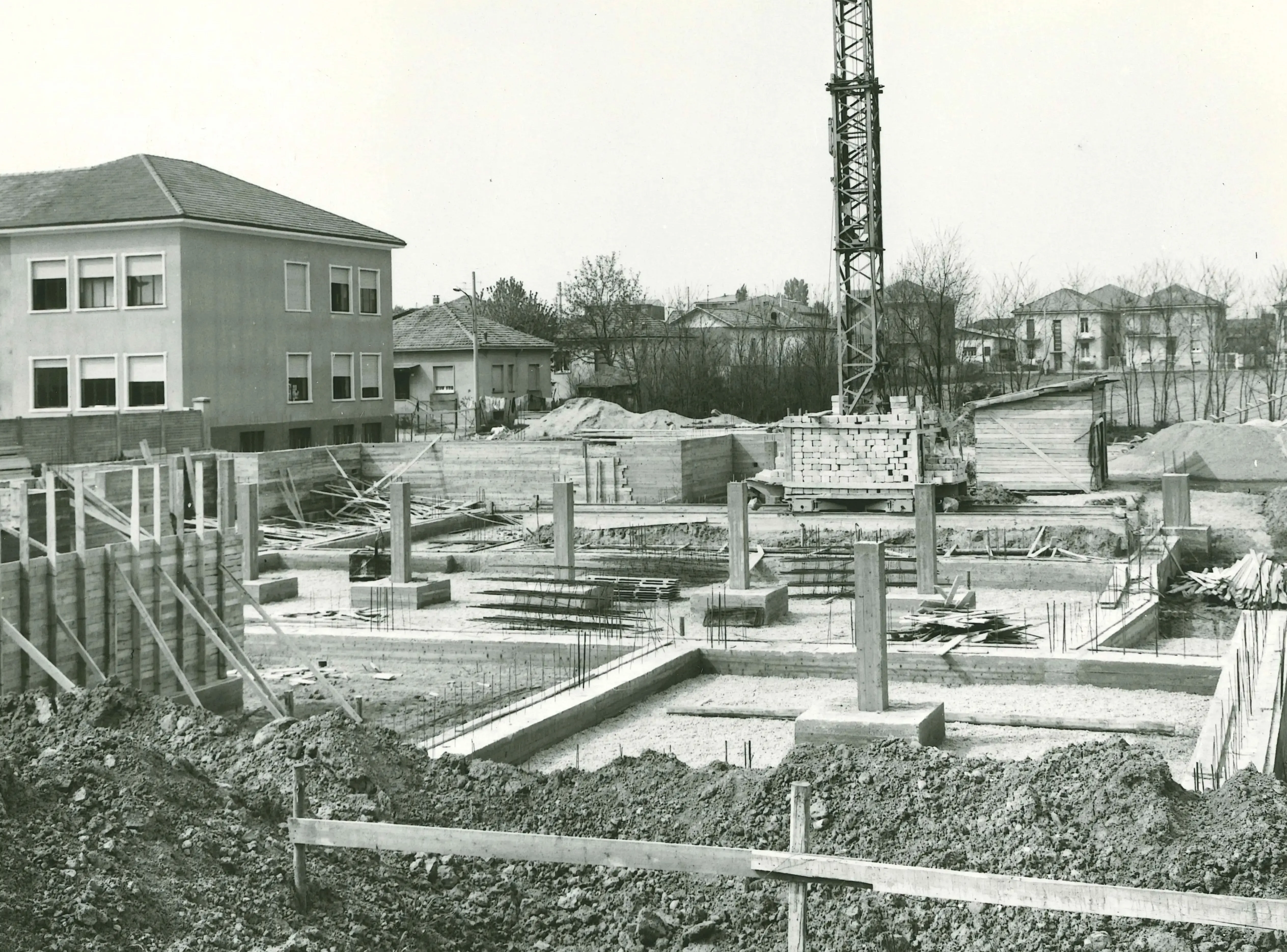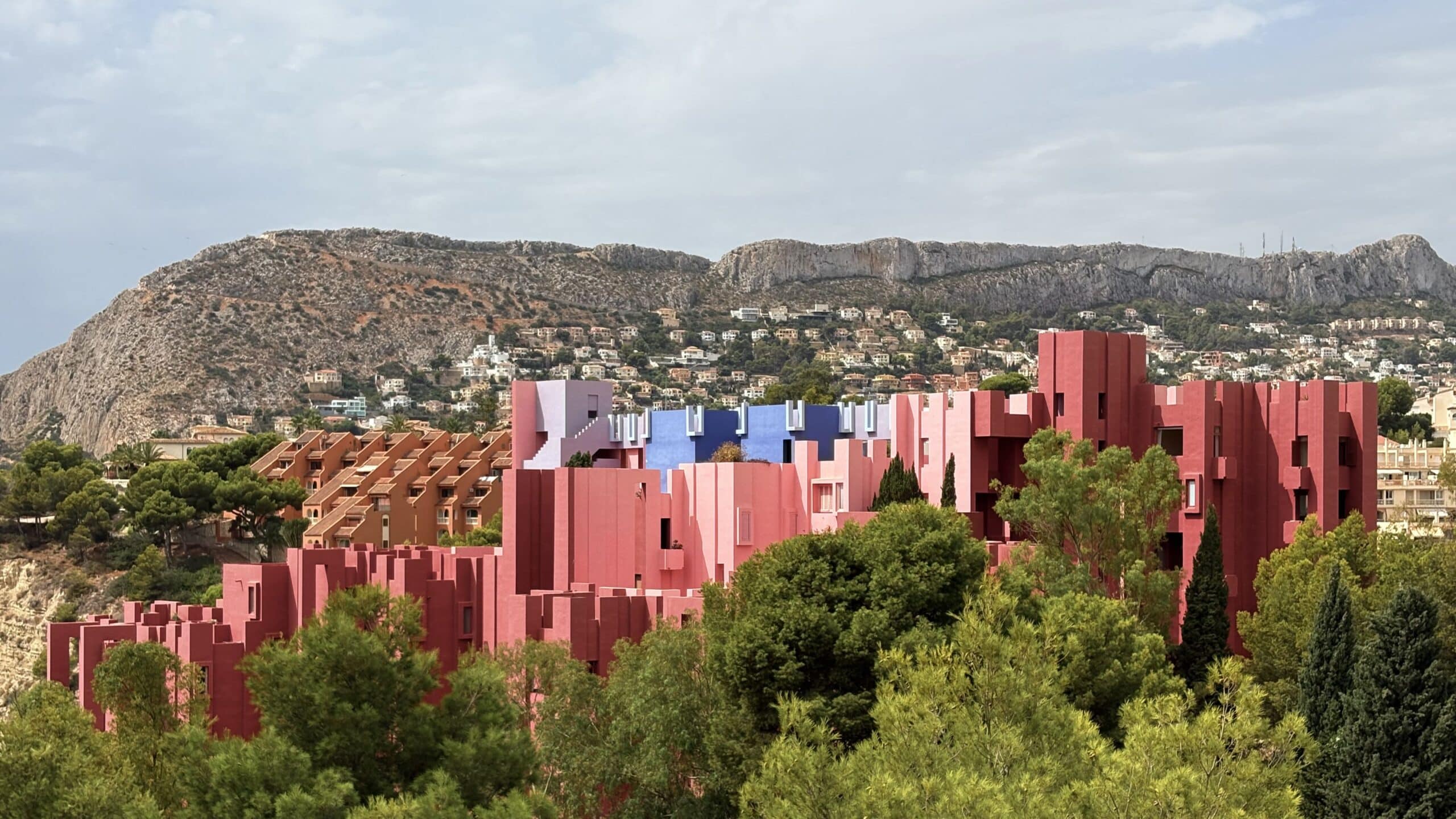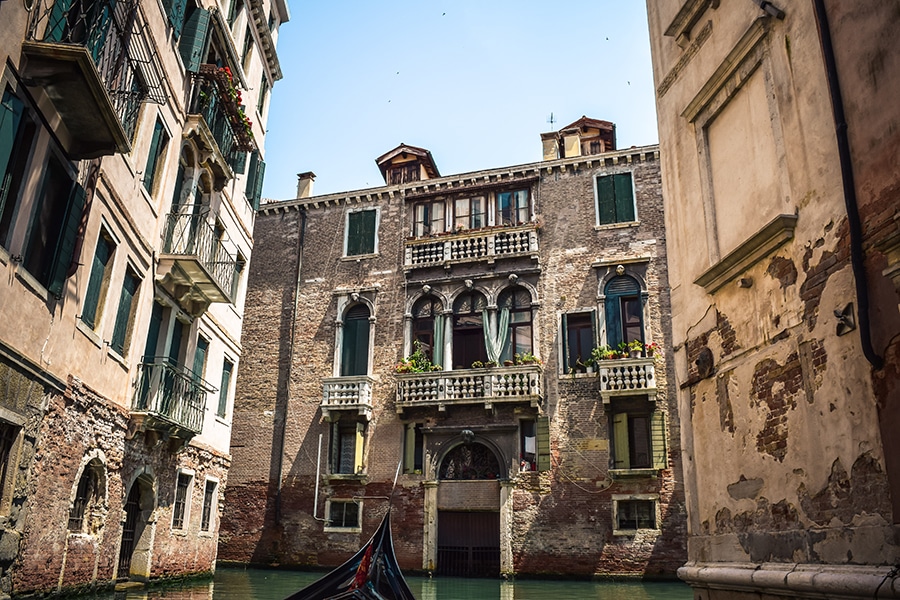
During the 2014 Venice Biennale**, an exhibition of what are called The social and political connotations of the latter element were considered particularly fascinating, as was the alleged origin of the balcony in the hypothesis of the nineteenth century theoretic and historical Eugène Emmanuel Viollet-le-Duc.
Viollet-le-Duc, in his Dictionnaire Raisonné de l'architecture Française du XIe au XVIe Siècle, traces in fact the history of the balcony and leads it back to the so-called "fortification" of the medieval, a structure typically used in war and, in particular, in the course of sieges.
The fortification was a wooden structure, removable and remountable, which was installed in the upper part of the torrions or the walls of a castle when the battle was imminent (or even when it was already in progress). Exactly like the balcony, the fortification (hourd, in French), was exposed outside, in a clear balance between involvement and security.
Simple and fast in terms of assembly, this proto-martial construction added an additional level of protection and at the same time offered an attack area in a privileged position, allowing the protection of the torso of the soldiers. Once mounted, the fortification was accessible through the windows of the castle, in turn covered by wet leather or even manure and mud to counter any attempts of aggression from the outside.
Current examples of 'fortifications', reconstructed in respect of the architectural canons of the eleventh century, can still be observed in several castles throughout Europe, including the medieval fortress of Cité de Carcassonne, in the south of France. A curiosity: precisely Viollet-le-Duc was commissioned to restore it in 1853!
The architect, who also appreciated the functional aspect of medieval buildings
During the 2014 Venice Biennale**, the curator Koolhaas made it clear how important the balconies were for him: "Without my parents' balcony I would not be here. We lived on the fifth floor of a social democratic building. I, who was born in the last months of the war, during a cold but very sunny winter, when everything that could burn had been burned, was exposed to the sun, naked, on that balcony, to capture heat, like a small solar panel.
To view videos, enable external content in your cookie preferences.