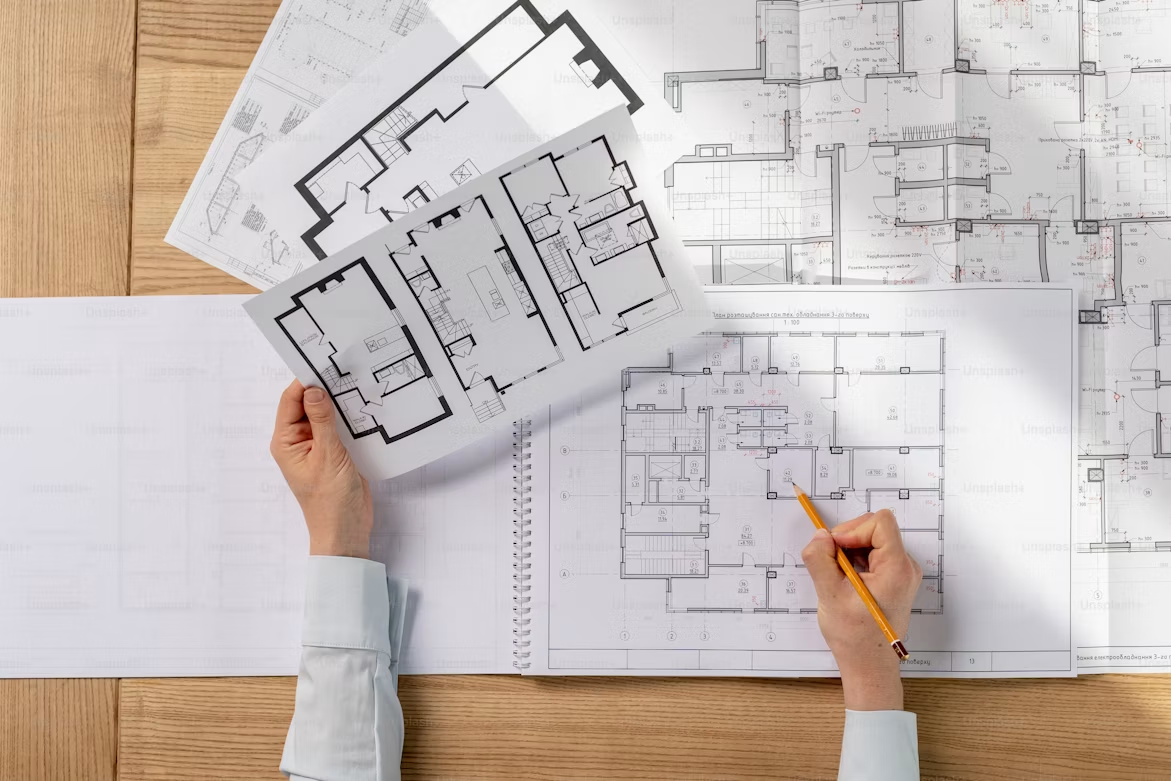
The bim design, i.e. the digital representation of the functional and physical characteristics of a building, represents an important support in the realization of a precise model of buildings, because it provides the widest set of information relating to the entire life cycle of a work. Starting from the definitions, bim is the acronym of building information Modeling, translatable in Italian as .Modelization of the Construction Information . This is a model, an approach, a method aimed at optimizing the planning, construction and management of construction with the help of specific software. Through the BIM, all relevant information of the building in this way has the possibility to be not only collected, but also analyzed and combined from the point of view of digital. Not only: the BIM also offers ** three-dimensional geometric models of the virtual construction**.
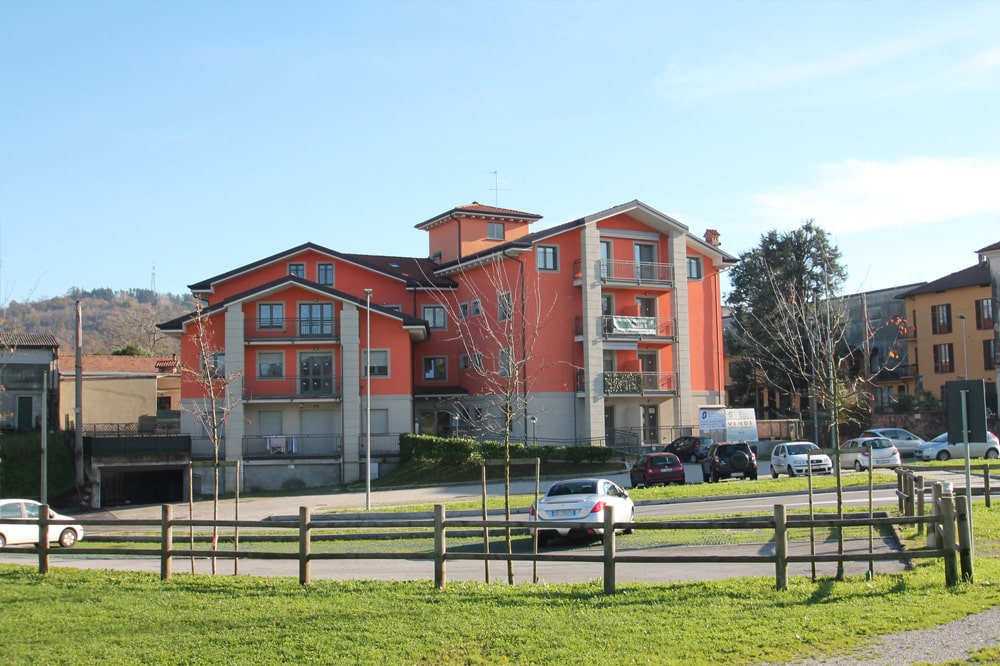
The BIM model is now increasingly used in construction (from architecture to engineering, to plant engineering) and even in Facility Management, thanks to the design and informational accuracy that it guarantees. Schiavi Spa uses this approach to offer the highest level of excellence for all its real estate projects.
The BIM's basis: sharing and collaborationCollaboration and sharing are two particularly important concepts that are the basis of the concept that led to the birth of the Building Information Modeling. Since this method guarantees much more than a simple three-dimensional representation of a building, but rather a ** dynamic, evolving, interdisciplinary and shared information model**, the BIM will offer a complete overview of a wide range of construction features:
- Geometry
- Materials
- Supporting structure
- Energy performance and technical characteristics
- Installations
- Costs
- Security
- Maintenance
- Life cycle
- Maintenance
- Dismission To do the best, therefore, the BIM provides for the cooperation between the different actors involved in the various phases of the life cycle of the building and the digital sharing (interoperability) of data through open formats (the so-called OpenBIM). This evolved and highly performing model of construction design in their broadest sense is therefore the result of a ** cooperative approach in every design, realization and maintenance field**, with the help of standard, formats and workflows shared between the different professionals involved.
Why request the BIM: the advantages of requesting a BIM** model are numerous, and not only concern the adaptation to the advanced technologies currently available. Conversion to this technology is in fact an inevitable step for construction specialists, because it involves digitalization not only of processes, but also of all activities related to the realization of a construction work. It is therefore not a coincidence that a Decree BIM exists (Code of Procurement and the D.M. 560/2017) which aims to define times and modalities for the progressive introduction of this model in public procurement! Among the benefit guaranteed by the bim model are:
- Speed and efficiency, whether the model concerns small buildings or large works
- Interoperability and collaboration
- Optimization of operating costs, times and flows
- Integration and transparency of data and information
- Approach implemented to the environmental sustainability aspect
- Reduction of the risk of error, since every change made to a factor dynamically updates the entire model These advantages are reflected in a harmonic way in all phases of a building's life: from its design intended as design and concept and planning, rather than simulation of models and evaluation of its environmental sustainability; up to realization understood not only in works but also in the control and management of time and costs; to get to its final maintenance.
To view videos, enable external content in your cookie preferences.