!](/assets/imported/3b5acea8cb-ATTORE-Copia-01.01_16_02_00.Immagine007.jpg)
!](/assets/imported/b21ba28bda-villa-aventino-94.jpg)
!](/assets/imported/6ebe2cfd87-villa-aventino-126.jpg)
!](/assets/imported/d606d34128-villa-aventino-49.jpg)
!](/assets/imported/0742fa7f63-villa-aventino-63.jpg)
!](/assets/imported/a859e30998-villa-aventino-44.jpg)
!](/assets/imported/9eae77c7da-villa-aventino-57.jpg)
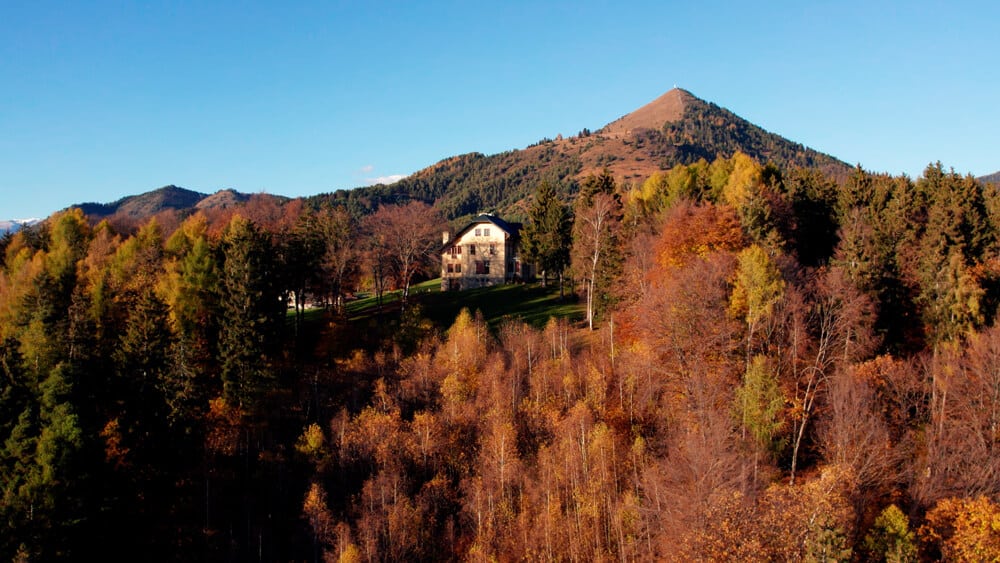
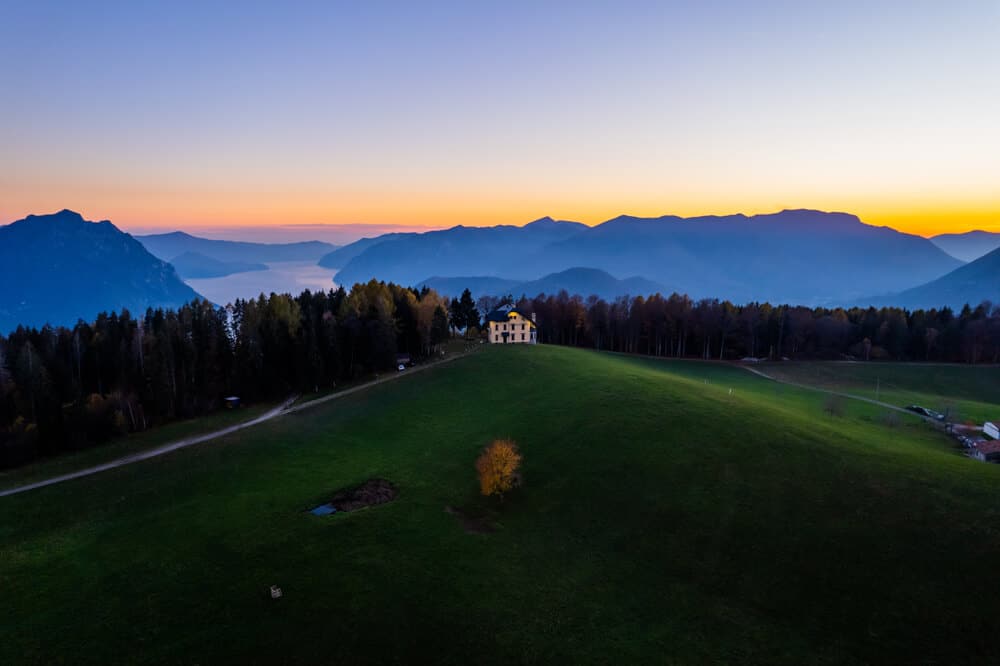
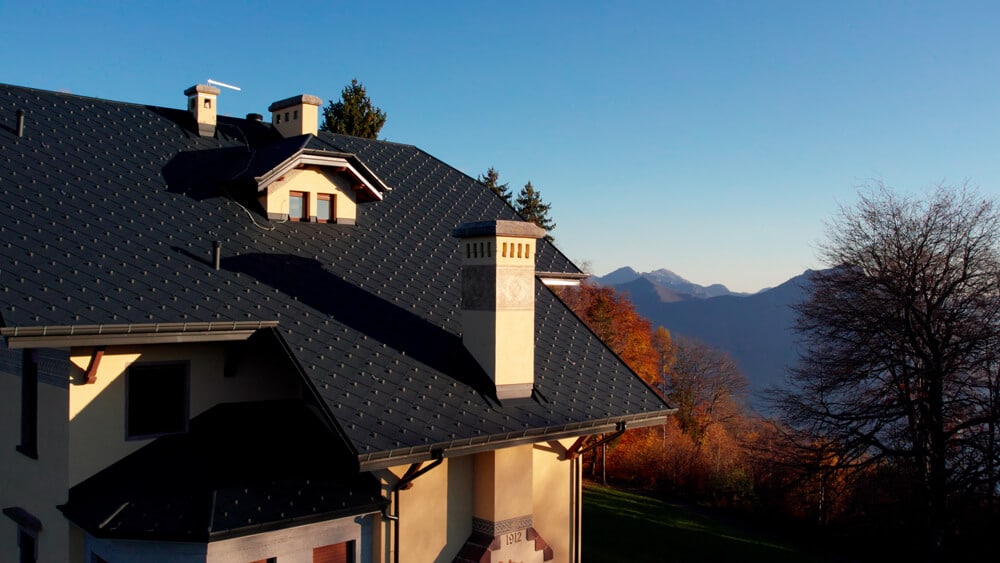
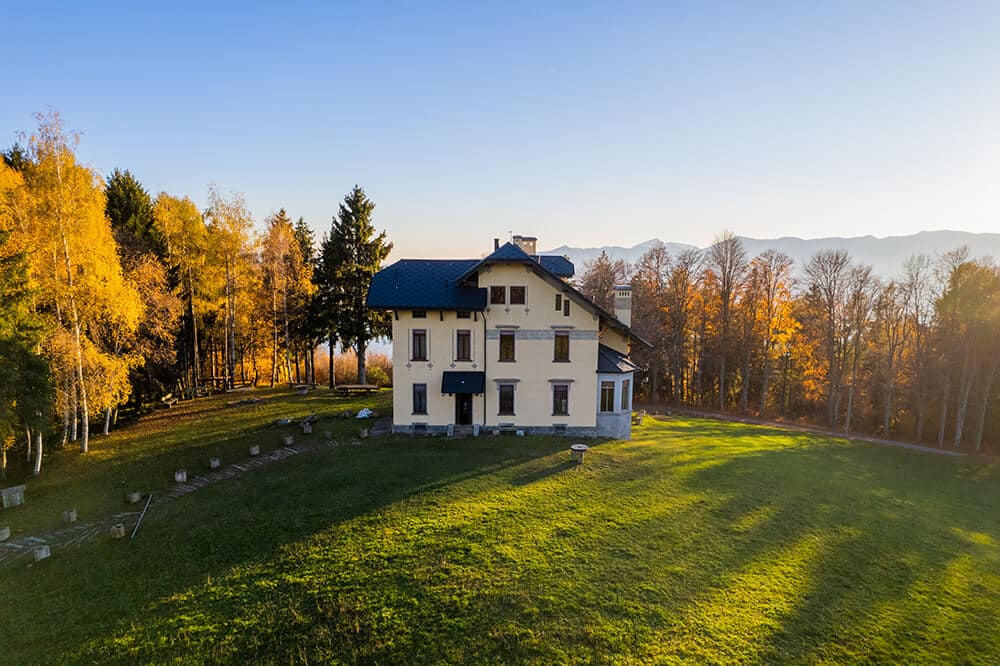
!](/assets/imported/7fa30b6b85-ATTORE-Copia-01.01_20_24_19.Immagine013.jpg) In the year 1912, the Slave Family completes the construction of one of the most symbolic buildings in Bossico: Villa Aventino, on the edge of the meadows of St.symbolic celebration of the one hundred and ten years from that date, we're back today to retrace the long history of the villa Back in line at the beginning of the 20th century. At the time, Villa Aventino is a holiday home owned by the brothers entrepreneurs Fortunato and Andrea Ventura Gregorini, and the building is not known either the designer or the designer. We know for certain that the founder Giovanni Andrea Gregorini (1819-878) entrusts the project of the villa of Lovere and the Brescia plant to the eclectic architect from BresciaAntonio Tagliaferri, whose achievements, especially for holiday homes in the countryside, are characterized by a strong neo-Gothic taste**. On the contrary, Tagliaferri seems to prefer a purely neo-Renaissance style** for his city projects.
The elegant effectiveness of the solutions adopted alla"Aventino alludes to the involvement of professionality and ** very high skills**: the structure does indeed wisely the use of iron, material "supporting" also for the economies of Gregorini, masters of the steel industry in Valcamonica.
In 1920, he died without leaving any child, and his property was inherited by his brother and his old mother. In 1934, when Andrea died, the sons Felice and Sara, the new owners of Villa Aventino**, took over.
From this moment on, the building is no longer just a summer holiday home but rather a community. Felice Ventura Gregorini, a doctor, offers the large outdoor lawn as a location for the organization of various and important public initiatives**. The strong bond of Felice with the territory is also reflected in the choice of devolve the entire Gregorini Bookshop of Villa Vaticano to the Biblioteca di Lovere.
His generosity and social sensitivity are appreciated and repaid so much that in 1985, the Montana Community indexed the "Mieting del Boscaiolo"" at the very Villa Aventino.
Also in the political fervour that characterizes the eighties**, the Gregorini family invites on the plateau then President of the Council Bettino Craxi, to which it proposes to donate two doors to the Risorgimento theme on which they are portraits Garibaldi and Mazzini. To date, unfortunately, the works are scattered** and it is not known where the pieces were finally destined. What is certain, however, is that the visit of the President of the Council represents ** one of the most important events** in the history of the villa and the territory.
The Ideal Craxi visit Villa Aventino in 1986 together with Minister Pandolfi, the Regional Councillor Giovanni Ruffini and Don Gino Angelico Scalzi, director of the Academy** Tadini di Lovere. Craxi expresses his most appreciation for a location of such historical importance and of such a high artistic level, and the event proves to be an absolute success. We are facing the definitive consecration "modern" for a building that, since its foundation, is nucleo of artistic, cultural, political events of very high thickness.
And if the Villa Aventino of the eighties** of the twentieth century is still immersed in a humus made of books, art, music, politics, culture, the historical origins of the building are themselves evidence of the cohesion and familiarity that the industrial dynasty of Gregorini** has always tried for the territory of Bossico: painters, writers and musicians of the past used to share in these spaces the They have meals, while entrepreneurs choose it as a place of choice for their cultural living rooms or retreats, as well as, of course, for summer holidays already in the nineteenth century.
The Biblioteca Gregorini, currently donated to the Civica Biblioteca di Lovere, and the works of art that for a long time remained enclosed in the villas of Bossico and were subsequently studied carefully by theAccademia Tadini (specifically, the Tadini received the works owned by Giobatta Zitti, the promoter of the Vatican, and the librettos of opera part of the book collection of theAventine), confirm what we could define as the cultural times" of an era characterized also by an undeniable economic fervour.
Follow the history of Villa Aventino** with Cristian Bonomi, historian and archivist.
Bibliography
Marco Albertario (edited), Materiali garibaldini nelle collezioni dell'Accademia Tadini, I, Quaderni dell'Accademia Tadini, Milano 2008;
"Andrea Ventura Gregorini" in Rivista di Bergamo, 1934;
*John Banfi,
Narciso Bonfadini, "L"Altipiano di Bossico dominare il Sebino " in Rivista di Bergamo, 1932;
Narciso Bonfadini, \ Mons. Bonomelli a Lovere e a Bossico \ in Cremona, monthly magazine illustrated by the City and Province;
Graziana Canova Tura, Gli Zitti e altri ancestori, tipologisto unedito;
"From a family of Bossico donated to Craxi two paintings of the Tallone for the Garibaldi Museum in Eco di Bergamo, March 3, 1986;
From a villa in Bossico disappeared antique furniture in Eco di Bergamo, June 4, 1982;
Vittoria Ferrandino e Maria Rosaria Napolitano (a cura di), Storia d'impresa e imprese storiche, Milano 2014;
Mimmo Franzinelli, Lotte lavoratorie in un centro industriale lombardo, Milano 1987;
"Theft in the summer villa of the university teacher" in Eco di Bergamo, March 3, 1970;
- Roberto Ghilardi, \ When in Lovere they built cars "Il Giornale di Bergamo-Oggi, 30 June 1987;*
Giovanni Gregorini e Camillo Facchini, Onde d'Acciaio, Gianico 2006
"Today Craxi in Bossico meets with the directors" in Eco di Bergamo, March 2, 1986;
Valeria Terraroli (edited), Il progetto disegnato-2, Antonio Tagliaferri (1835-1909), AAB Edizioni, 1999;
*Daniele Vaninetti,
Bossico Municipal Archives
- State Archives of Bergamo*
- State Archives of Milan*
Torino State Archives
*Accademia  Luigi Tadini   of Lovere, Museo dell'Ottocento e Donazione Ventura-Gregorini
Civica Biblioteca di Lovere, Donazione Ventura-Gregorini***Thanks to the following:*Marco Albertario, Andrea Borella, Laura Businaro, Graziana Canova Tura, Giovanni Gregorini, Gianfranco Malonni, Demetrio Oberti, Maria Pacella, Emilia Peduzzo, Gabriele Perlini, Massimo Rivoltella, Mario Schiavi, GianAndrea Ventura.
To view videos, enable external content in your cookie preferences.