The long weeks of lockdown** to which all of us have recently been forced to stem the infection caused by the emergency COVID-19 have been An important test bench from the management of the relationship between home and work to smart working, from the new concept of social relationships \'virtualÂ" through social media to, of course, to the life of a couple. By its nature, the human being is a creature that ** does not like to be caged**. The home, in its most positive sense, represents therefore a safe port to which to return, in which to feel at ease. However, when an unpredictable event forces domestic spaces to live in a forced way, it may happen that these become a physical and mental cage.
So if, on the one hand, some of us have experienced their home ** in a positive way**, others have perceived it in a narrow and oppressive way. It goes without saying that the size of environments and quality of living are essential factors in influencing this perception, as well as the possibility of cropping individual spaces and privacy angles when living with someone else. Numerous families in too small houses for a constant sharing of spaces have complained about the need to be able to detach from the routine as well as couples locked in two-room apartments without even a balcony on which to relax and take a bit of air.
Now that the lockdown is over and our mind records the new change, that is the possibility of getting out again (more or less) freely and returning to work, and adjusts the routine that by its nature is however different from the one that preceded it, it is important **to draw a lesson from the experience experienced in this spring.**How to avoid experiencing again the suffocation and How can the house not be transformed into a cage? recently commented: • Schopenhauer had taught us that love relations are like those between the hertrics. When it is cold, the hertrics are full of thorns, they come close but they sting. Then what do they do? They distance themselves despite the cold. Here, then what do we do? We have to find the right distance. •
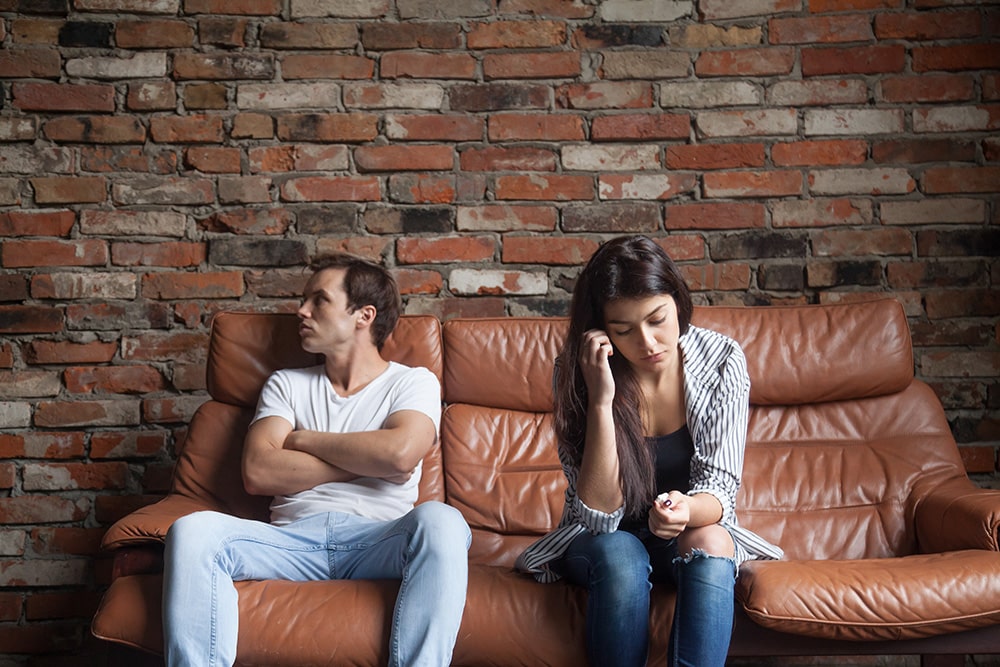
The psychotherapist continues: "Love, affective relationship is not based on doing everything together, on being attacked. It is attached to sexual relationship but then it is necessary to have distances**. Each one must pursue those that are his own interests. So the distance is a fundamental element for the relationship. When distance is reduced, quarrels increase. Couples don't go into crisis, as we think, because somehow an affective crisis has come. No, because each of them doesn't have their role. So, right now you follow your interests and she will follow hers, then you find yourself communicating when you're at lunch but there must be a relationship based on being too close to each other.
Physical spaces and mental spaces: the importance of regenerating in your own home In practice, this means cutting your own space** regardless of the common environments that you have available and in which you have chosen to live together. Only the possibility of subtracting to the other allows you to meet him again with pleasure.** How to proceed in this sense? The directors to follow could be two: on the one hand the physical space, on the other the mental.
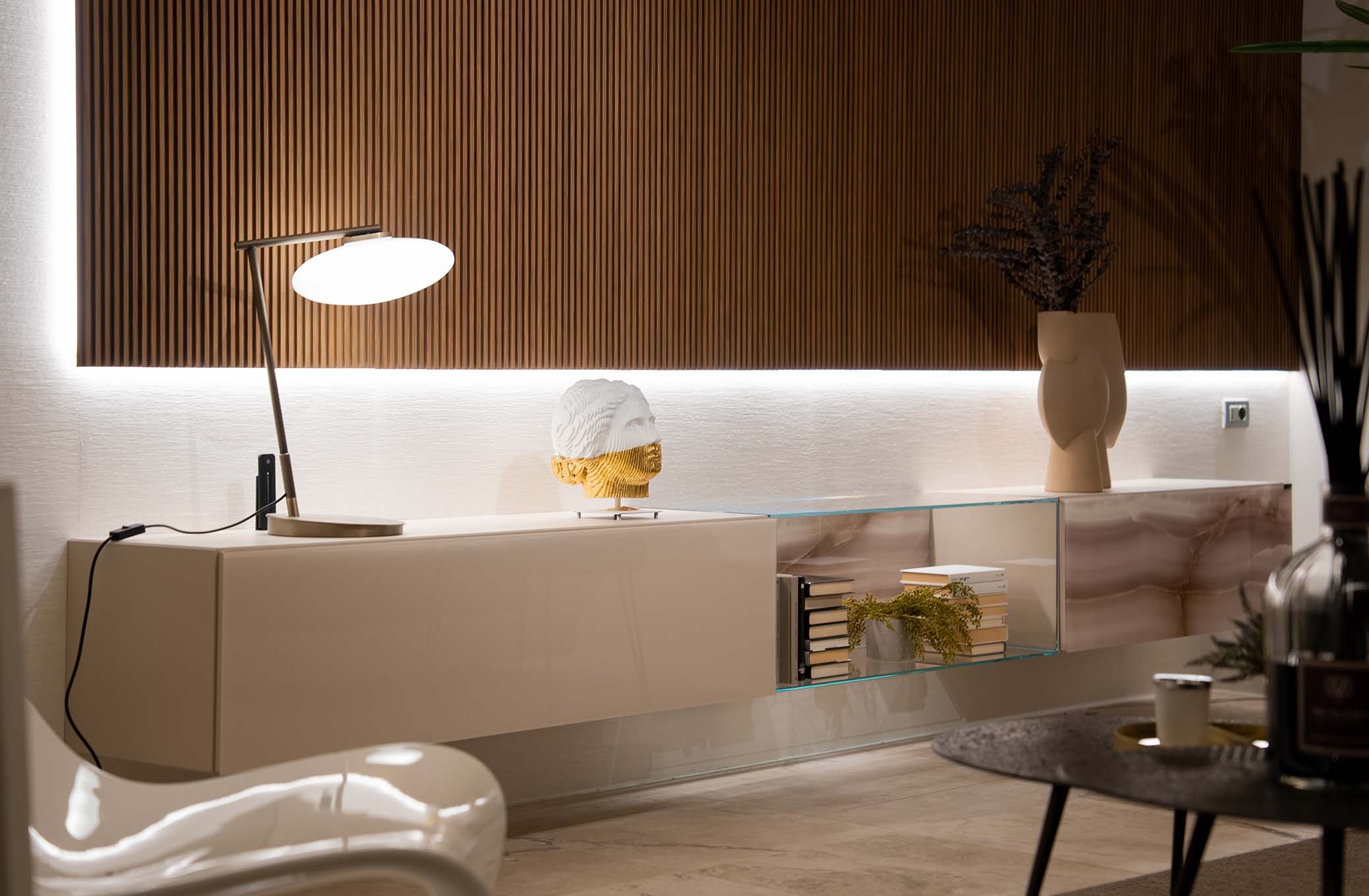
As for the concrete environments of the house, when this is too small there are some "trucco" to allow to ** perceive it more spacious**: from painting the walls in light colors to guarantee a feeling of breadth and depth to minimalist and multifunctional furnishings to create an impression of wider breath; from the exploitation of the spaces vertically to the presence of green indoors to give life to a communication with the outside and to benefit from the presence of living elements; from the careful choice of the right lighting to the use of mirrors to multiply the available light. The concept of ...less is more... applied to interior design will allow you to recover privacy angles where, otherwise, there would be none.
As for the need to cut a mental space all for itself when you are at home, there are hobby, so to speak "regenerative" that will guarantee an incredible sensory of freedom and offer the possibility of abstraction, recenting on themselves: wide therefore to the small mini-falegnamerie in the garage to do a little bit of DIY, rooms dedicated to passions like the drawing, painting or decoration; home offices also dedicated to creative writing; balconies, terraces and gardens transformed into greenhouses and small gardens. How do you use the spaces of your home to regenerate you mentally**?
To view videos, enable external content in your cookie preferences.