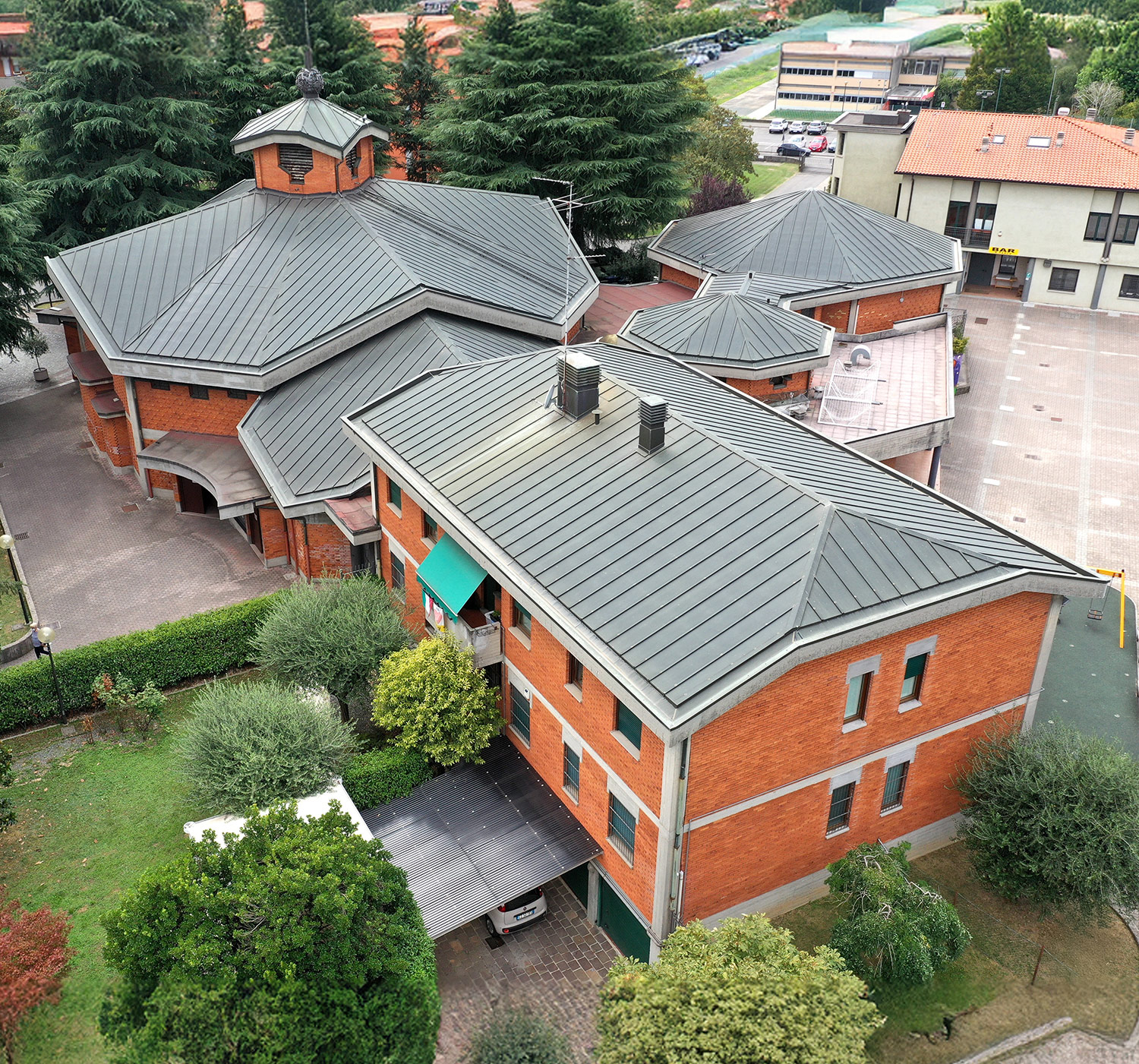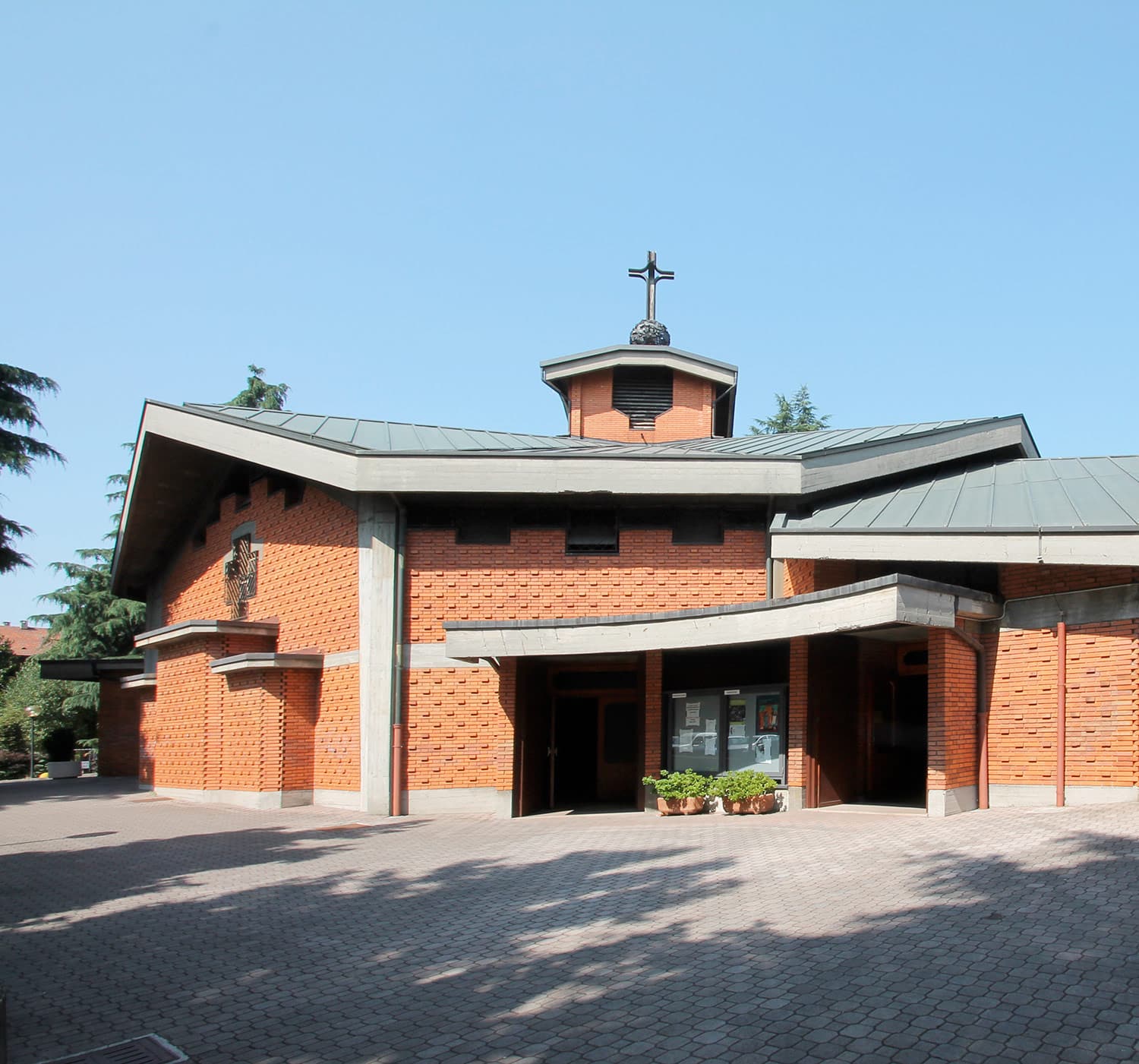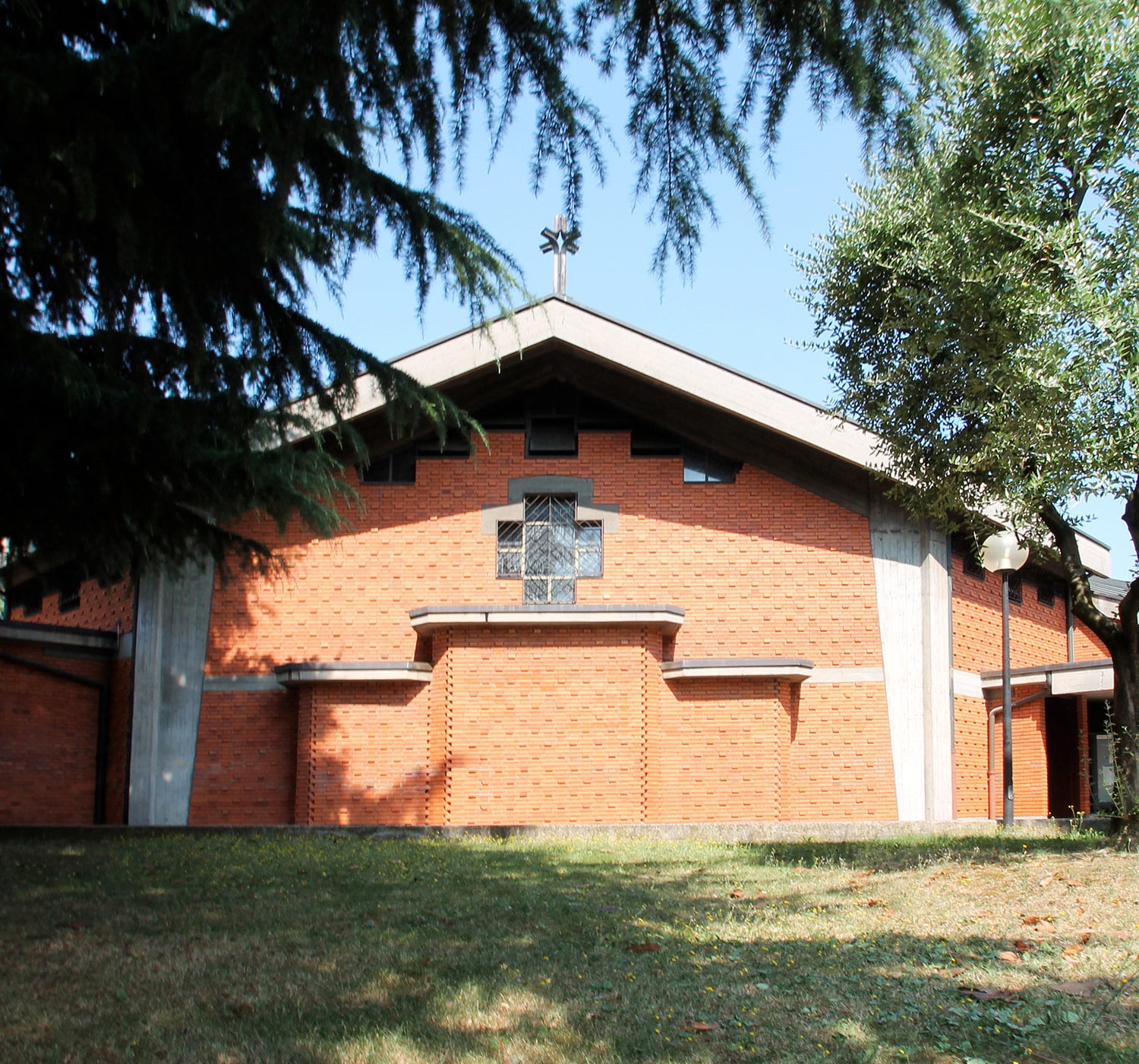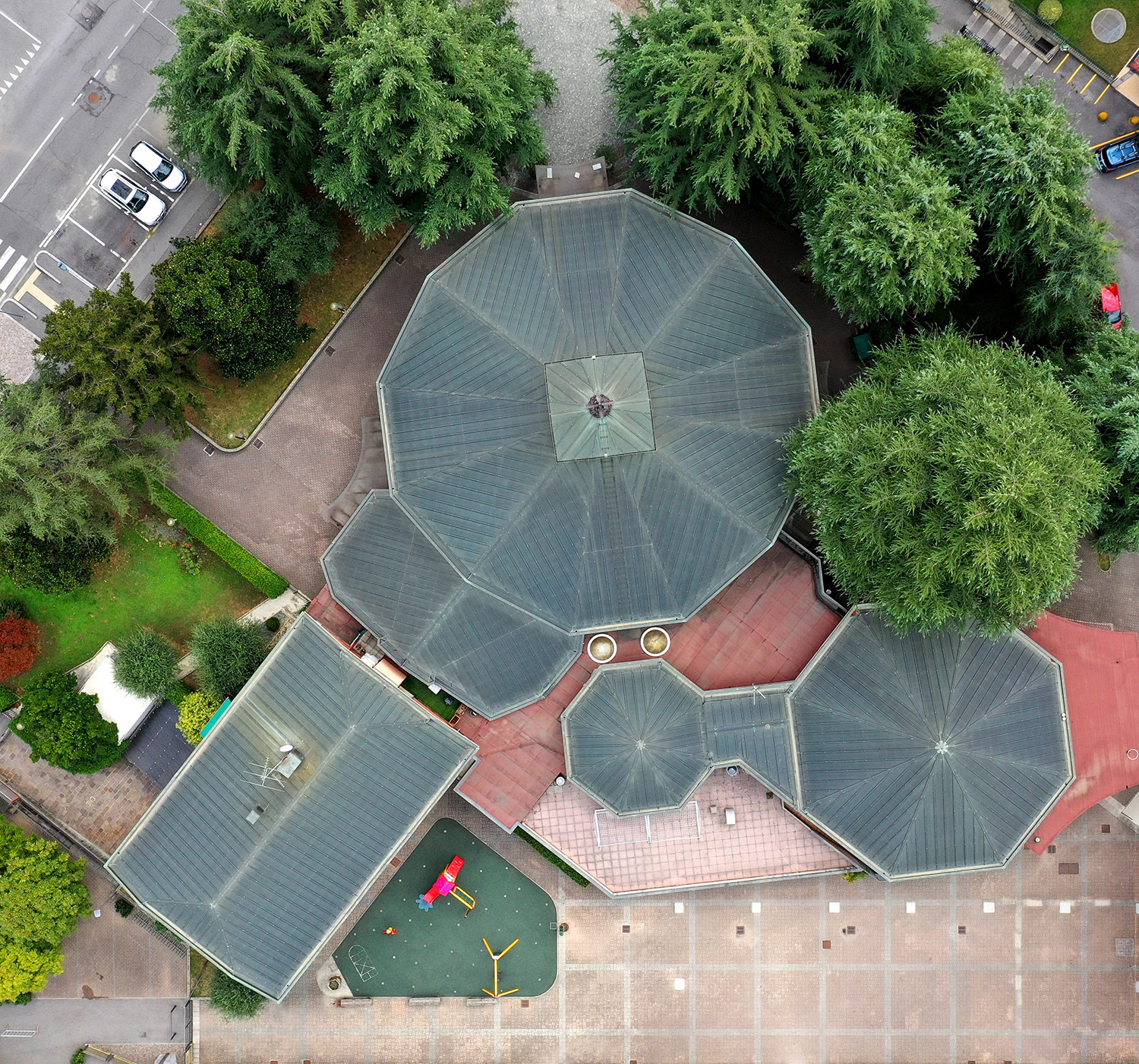
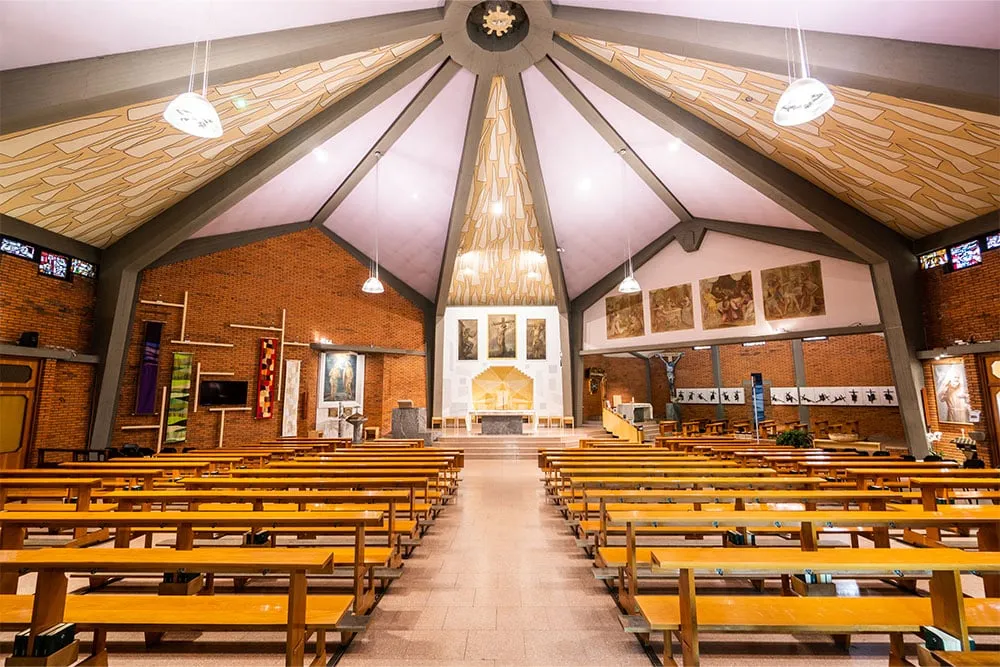
Architectural work, a reference point of a changing community,
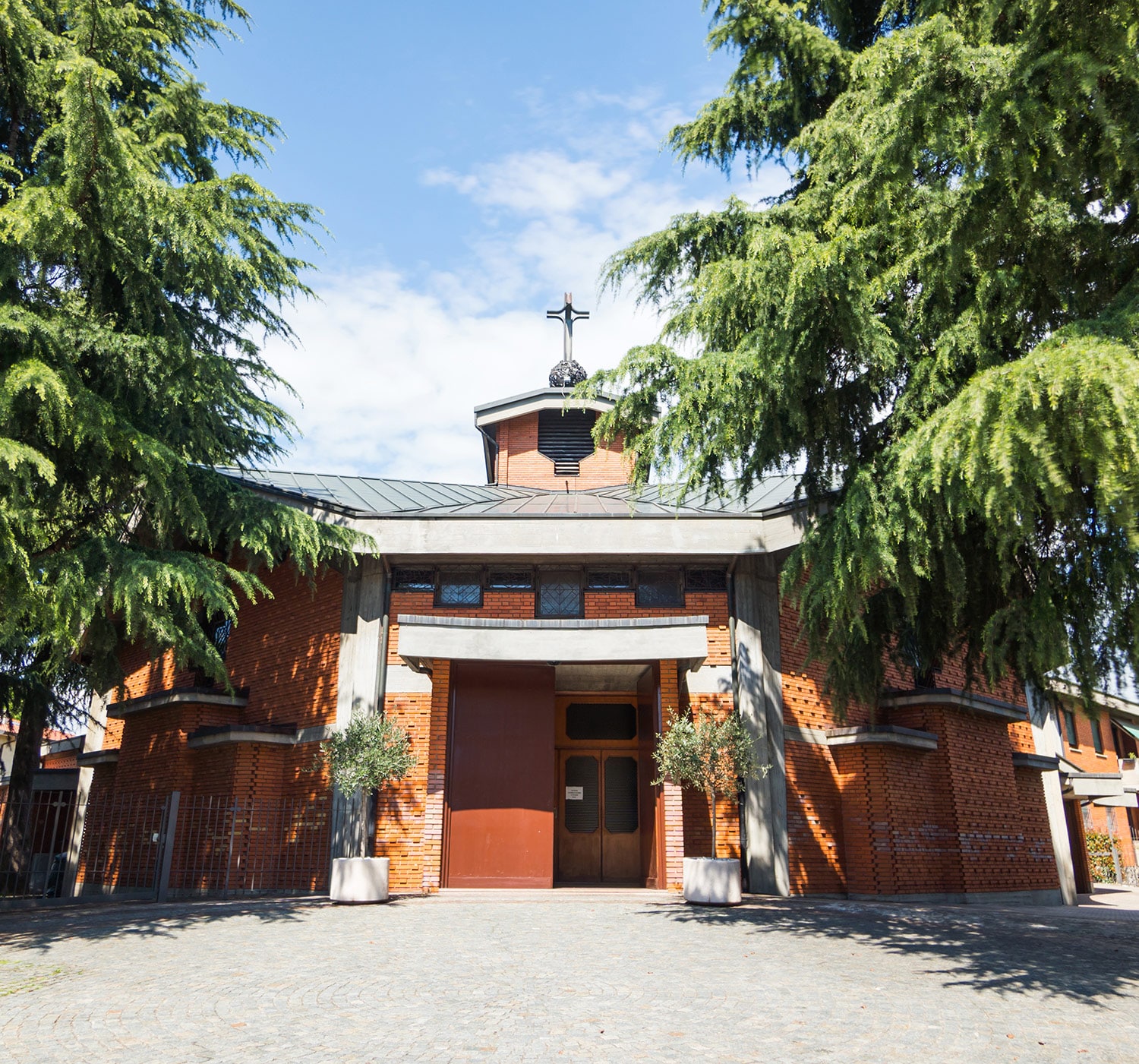
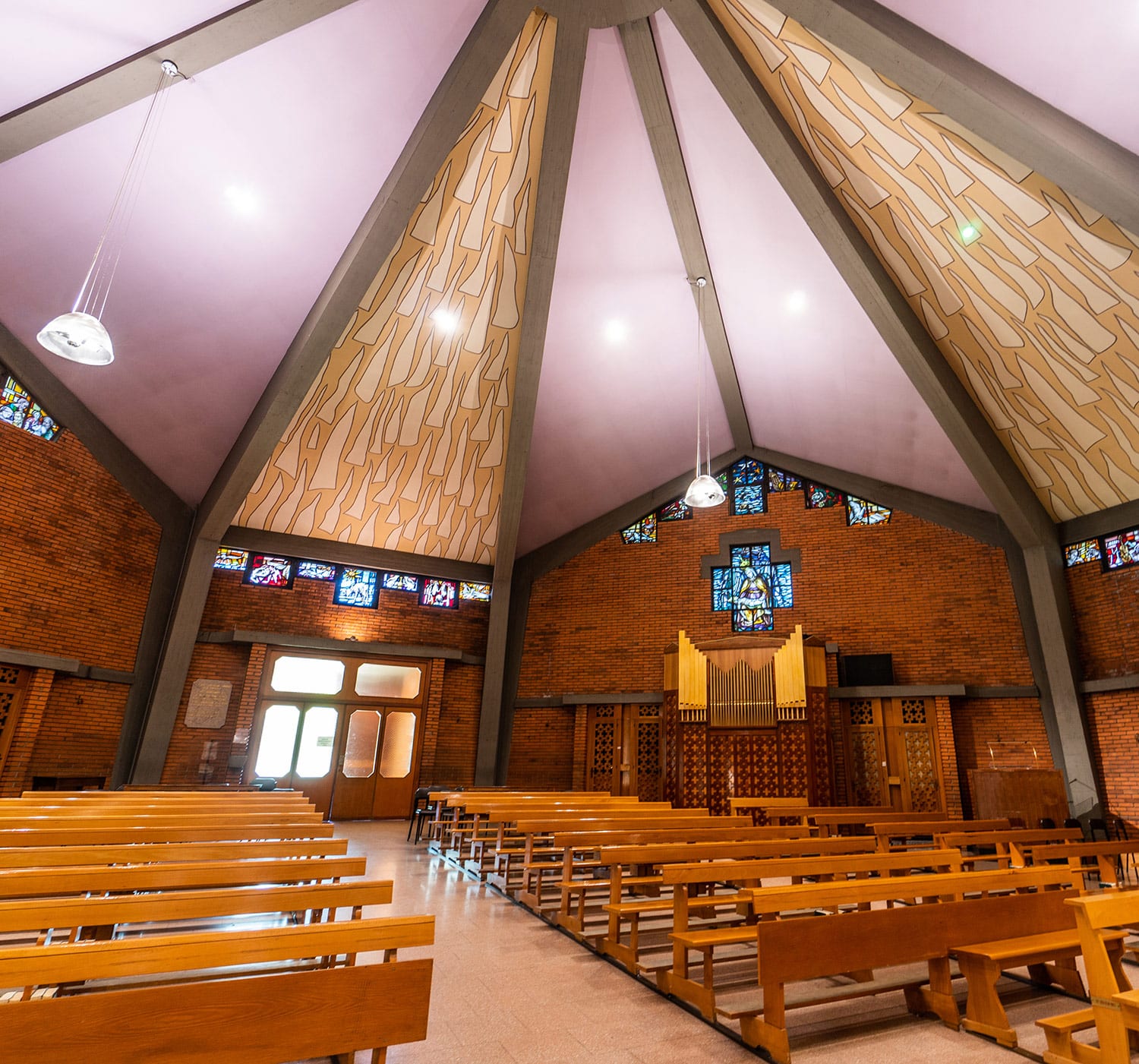
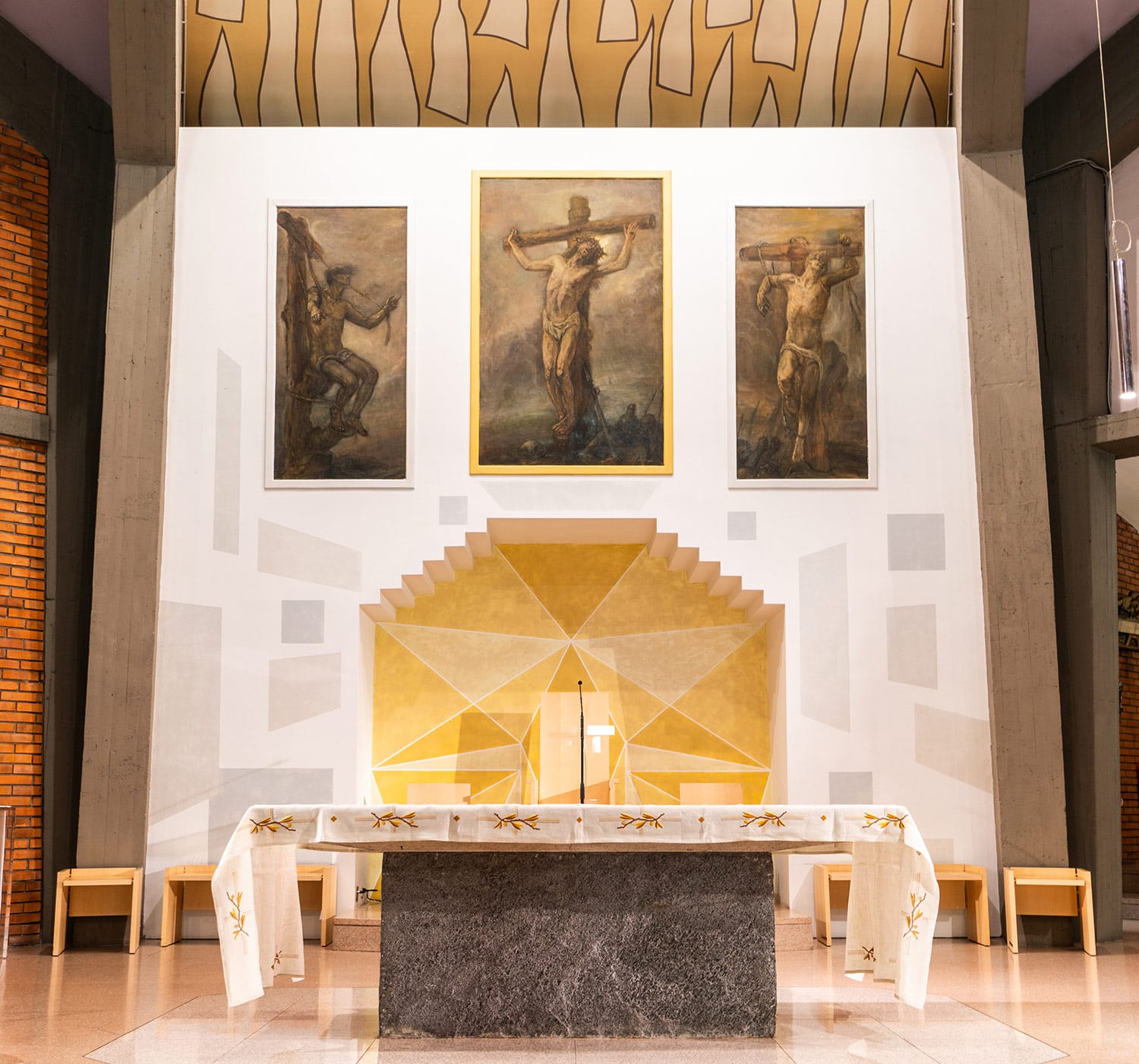
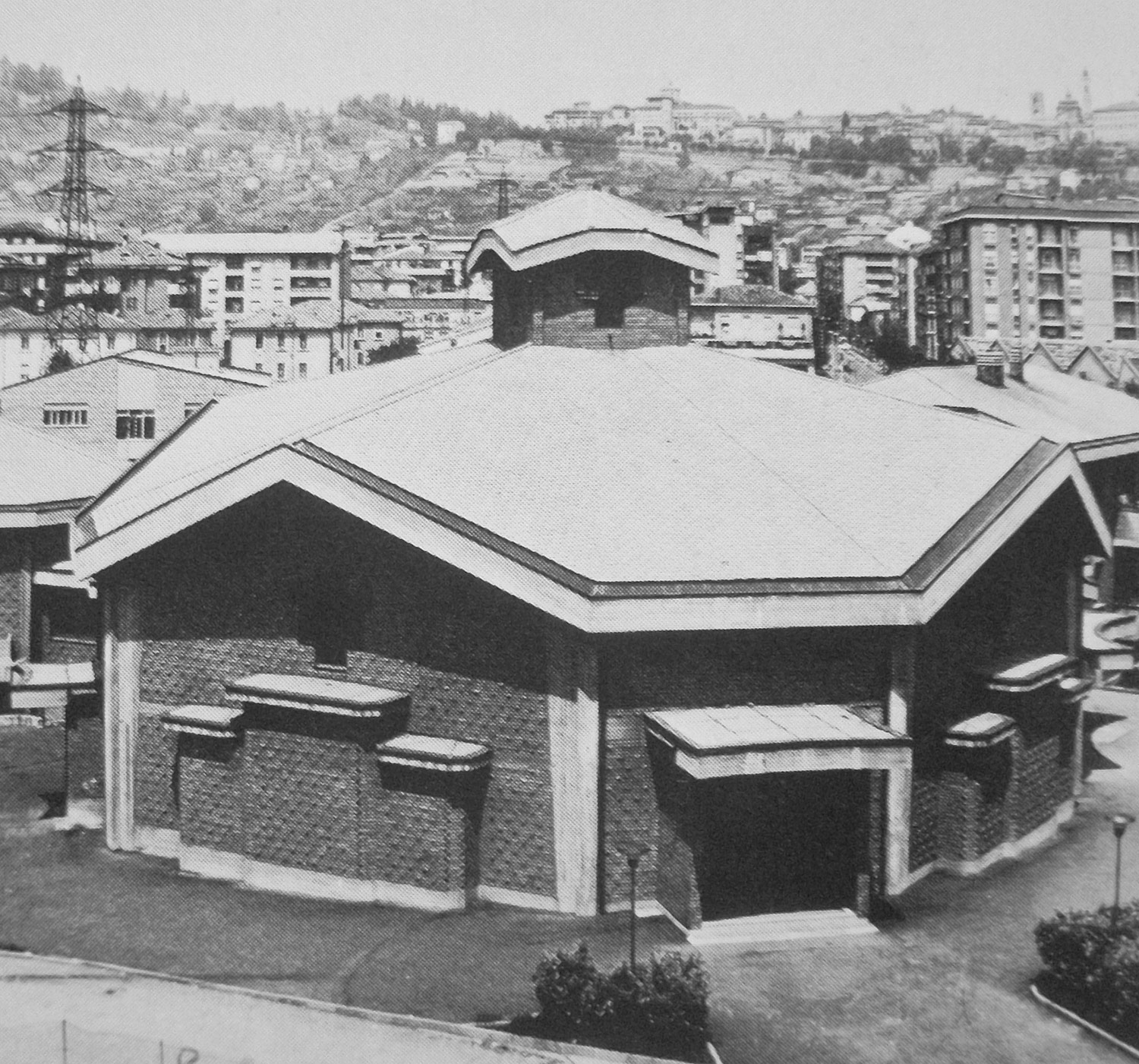
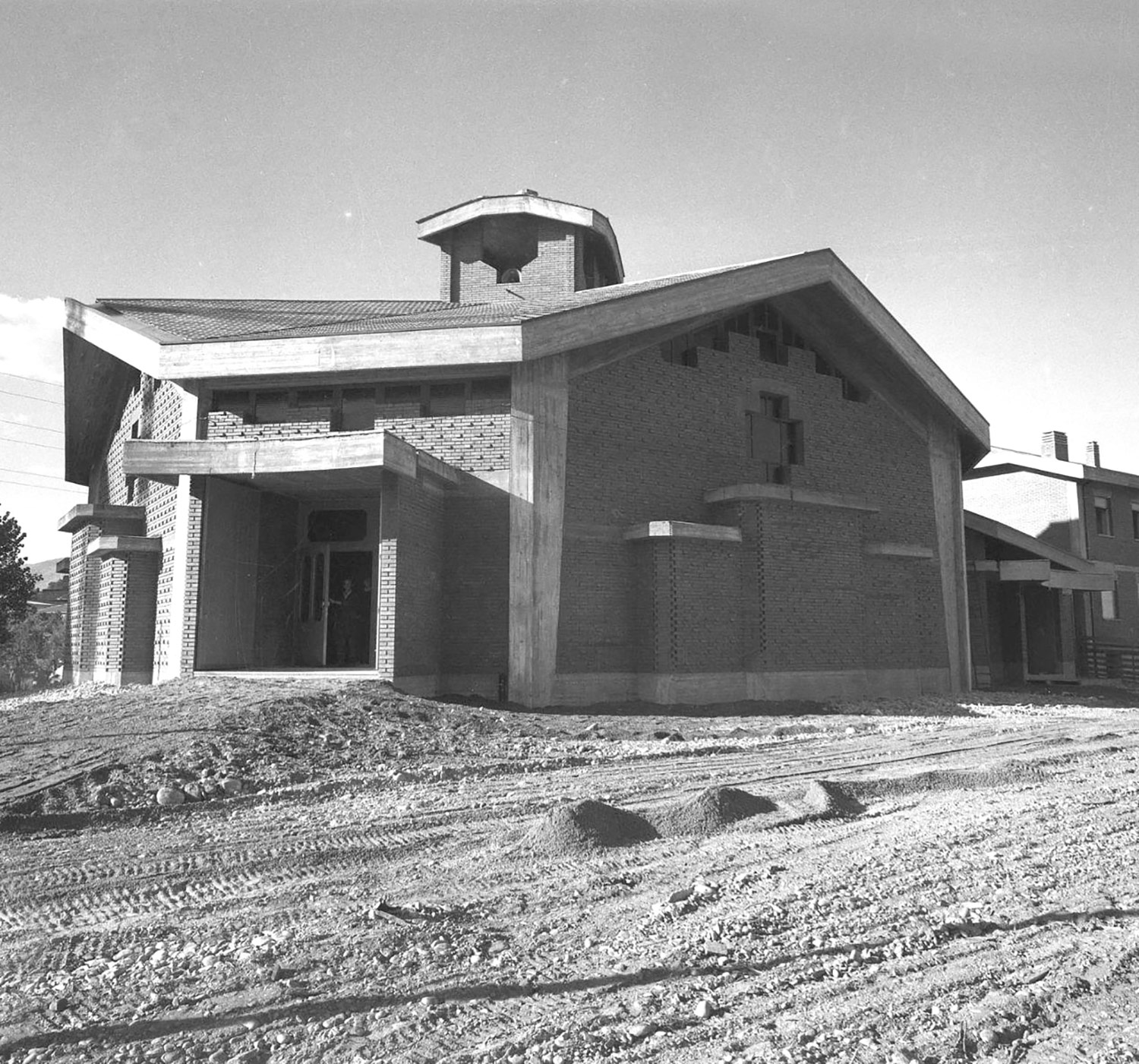
The St Paul Apostle Parish Centre is both architectural work and metaphorical bridge between the Bergamo of the 1960s and the one of the following decade. Designed, designed and built in a historical phase of important evolution for the local community, 'transitional basin' between a predominantly rural past and an increasingly urbanized future, it is still today a complex that defines the city of Bergamo in total: it does so in the aesthetics, concept, function.
Signed in 1965 by the engineer Luciano Galmozzi, the project for the construction of the new church and the adjoining parish centre is concerned with an area characterized by a residential vocation that, at the time, is increasingly disruptive, between the streets of the Gallieri and the Era, south of Via Coghetti. To be awarded the contract of construction works of the complex is, in 1969, Schiavi Spa, which delivers the finished work in record time: one and a half years after the laying of the first stone, and even three months before the date initially scheduled by contract.
It is 1970, and Bergamo is about to face a decade that will change its dynamics indeliblely: in this historical phase of profound and radical change, the Parish Center St. Paul the Apostle maintains its role as a reference point for the neighborhood and the whole city.
A parish complex that transforms the neighborhood into a community
A true trait d'union between a traditional neighbourhood and a cohesive community, which shares common values, ideals and perspectives, the complex is flexible and dynamic since its conception, fully in line with the evolution of the needs of a changing Bergamo: at the time of the initial project, in fact, the engineer Galmozzi provides the structure to the approximately thirteen thousand inhabitants expected in the district, and then remodel it to the eight thousand actual residents. It is not a small detail. On the contrary, it highlights the capacity of the architectural work to shape itself on the citizenship that will have to welcome and respond to the urban and social dynamics typical of the era between the sixties and seventies. Today we know that these dynamics ended up being, without any doubt, among the key elements in the anatomy of modern cities: places where the paradigm of the population forced to adapt to the urbanization is reversed, and that they see architecture and construction instead calibrate on the expectations of those who want to enjoy them.
In this sense, the St Paul Apostle Parish Centre is almost a pioneer of the places we live today: dynamic spaces, in transit and constant evolution; buildings that do not reject but welcome, with open arms, those who want to live them.