From the outside, the work of an artist is often read through what comes to the public: a great exhibition, an institutional project, a more intimate work, a book, a multiple. But the creator lives everything in a very different way. The projects overlap, mature for years, stop, start again; some come to completion, others still leave a sign and become material for what comes next.
Fulvio Morella has built in recent years a research in which wood, Braille, textiles and light become tools to question the limit, perception and relationship with each other. Among the most important moments of his recent journey.This conversation starts right there, but to look above all behind the scenes: how an artist thinks when a great project ends, as another begins, what happens to ideas that do not become works immediately and why, alongside the great occasions, can be equally important a portrait, a calcography or an artist's book. Because what from the outside appears as a succession of large and small projects, for an artist is often a single path that continues to transform.
After a project like There are no limits, How does an artist live the drop in adrenaline? What did you do when it all ended?
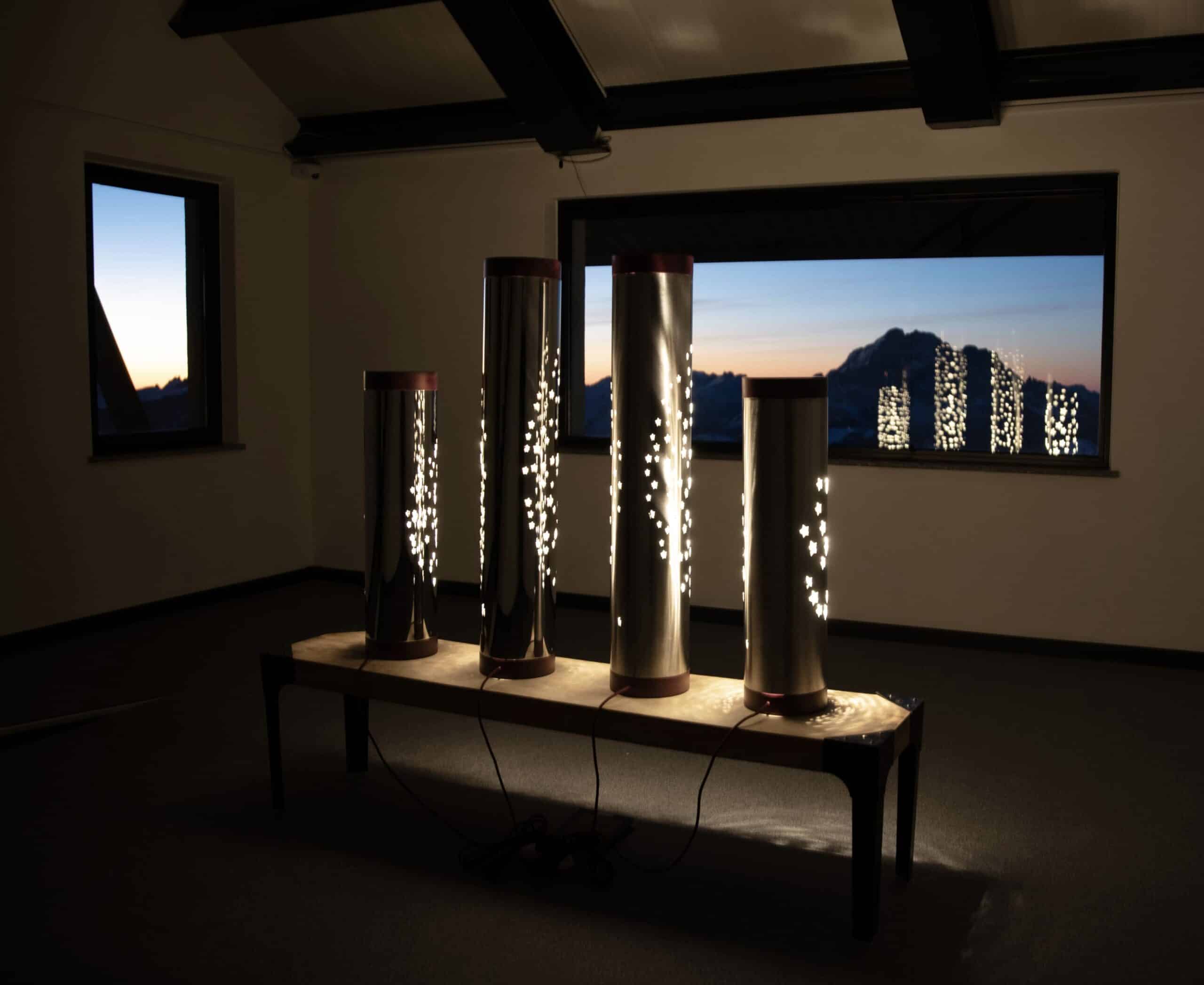
There are no limits It was a project strongly wanted and built in space and time, continued for almost two years between exhibitions, performance, light, artist books and many different moments. When on April 5 we dismantled everything I did not perceive a void: I had rather the head full of thoughts and satisfaction, but without more that tension that for so long brings you in the same direction. I did not have a real vacui horror, also because What the public sees of the work of an artist is only the tip of the "iceberg"While all this happened, they continued to live projects that started years earlier and are only ripening now. I like to work like this, with a long planning: ideas are transformed, stop, start again. That's why maybe there isn't really a drop in adrenaline: As something ends, something else has already begun or must start again. This is what keeps art alive, which very often comes from dialogue with new places and new people.Where did you start your new project?
There is always a very long design phase, in which, among other things, an artist is never alone or should not be: there are curators, institutions, promoters, different interlocutors. Dialogue is always the basis. There are many attempts, some work and many others do not. We must accept it: it is part of the process. And I do not believe that the projects that do not reach completion today are lost time. They are however ways to think, rethink and move forward. For this, if I had to choose a word, I would say: sow.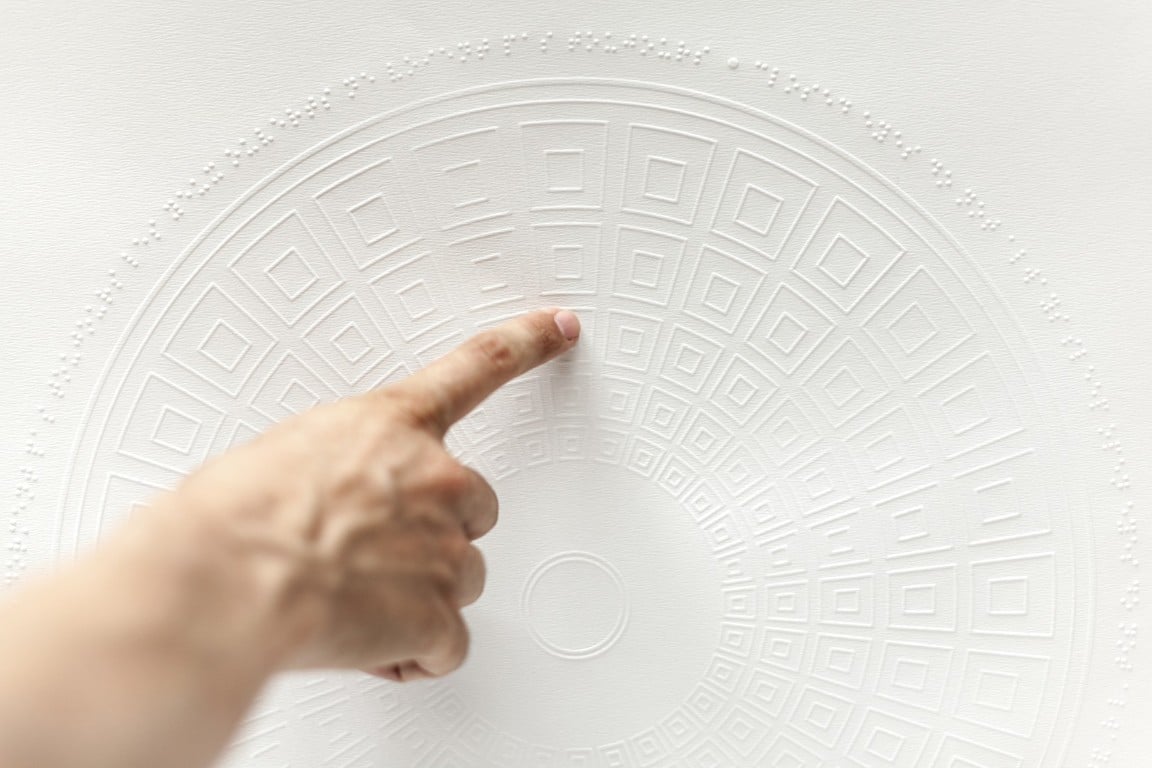
How then can you carry out multiple projects at once?
I can get ideas going at the same time. Realization is something else. I'm a person who needs great moments of focus. Then come what I call moments of synthesis: very intense periods in which I can work for two or three days almost without interruption, day and night. It is as if everything that has accumulated before suddenly had to find a form. After, however, I need things to decate. And here there is perhaps a contradiction with my technical training. In art I work differently. Alas, I am one of those that must be inspired. There are days in which it is useless to force me: I could stand hours in front of a job without getting anywhere. I learned therefore that even do other is part of the creative process. Working on something else, dealing with completely different things, even temporarily stop thinking about a work allows me to clean my mind. Then comes the right time and things suddenly recompose. That, for me, is the time of synthesis.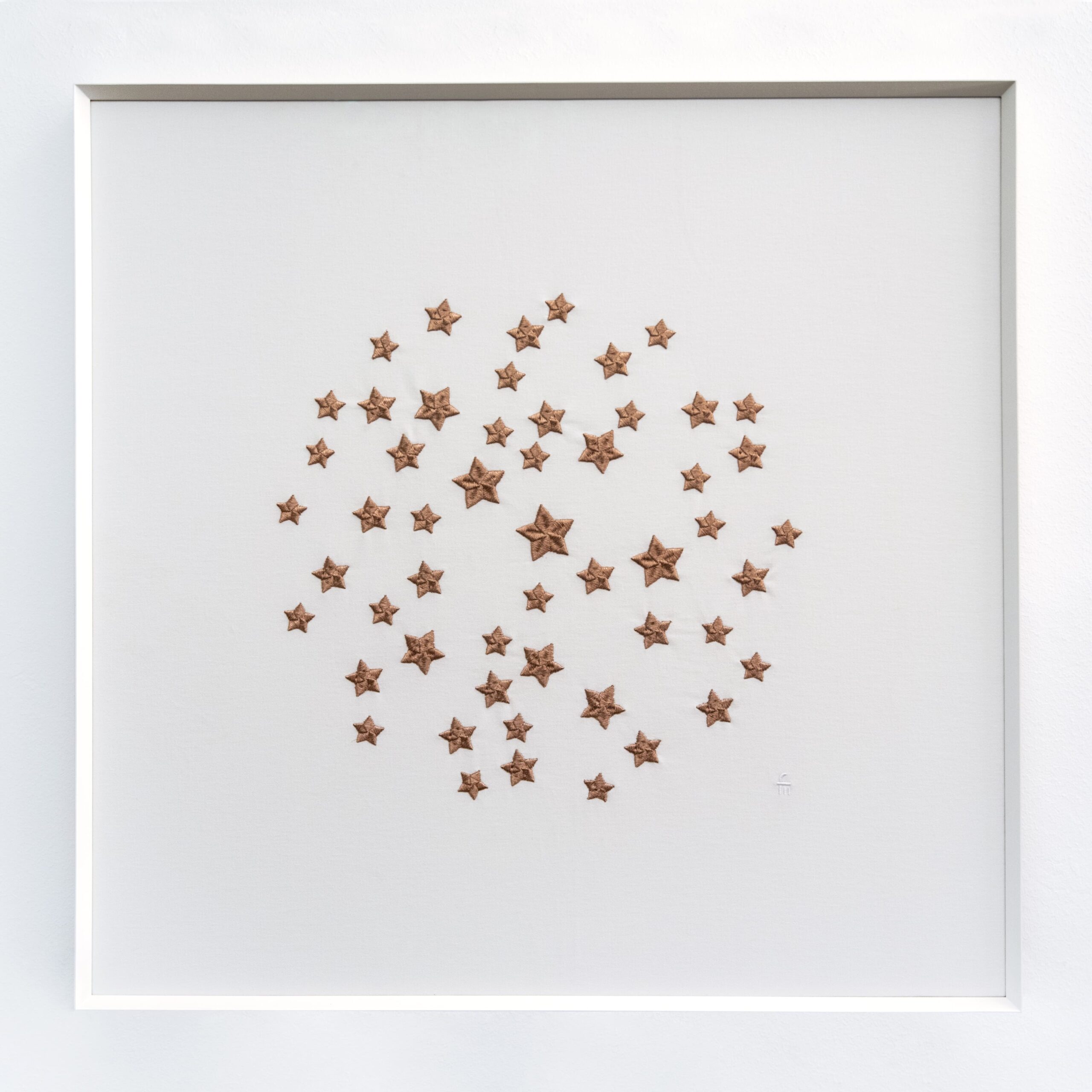
After a great project do you feel the need to make it an even bigger one?
Not necessarily. Indeed, I think one of the risks is to think that a great project must follow an even bigger one. For me, artistic work does not work like this. There are times when you need to build something very articulated and others in which you need to simply return to the work, matter, gesture.There are certainly smaller projects for size, duration or visibility, but they are not necessarily less important.
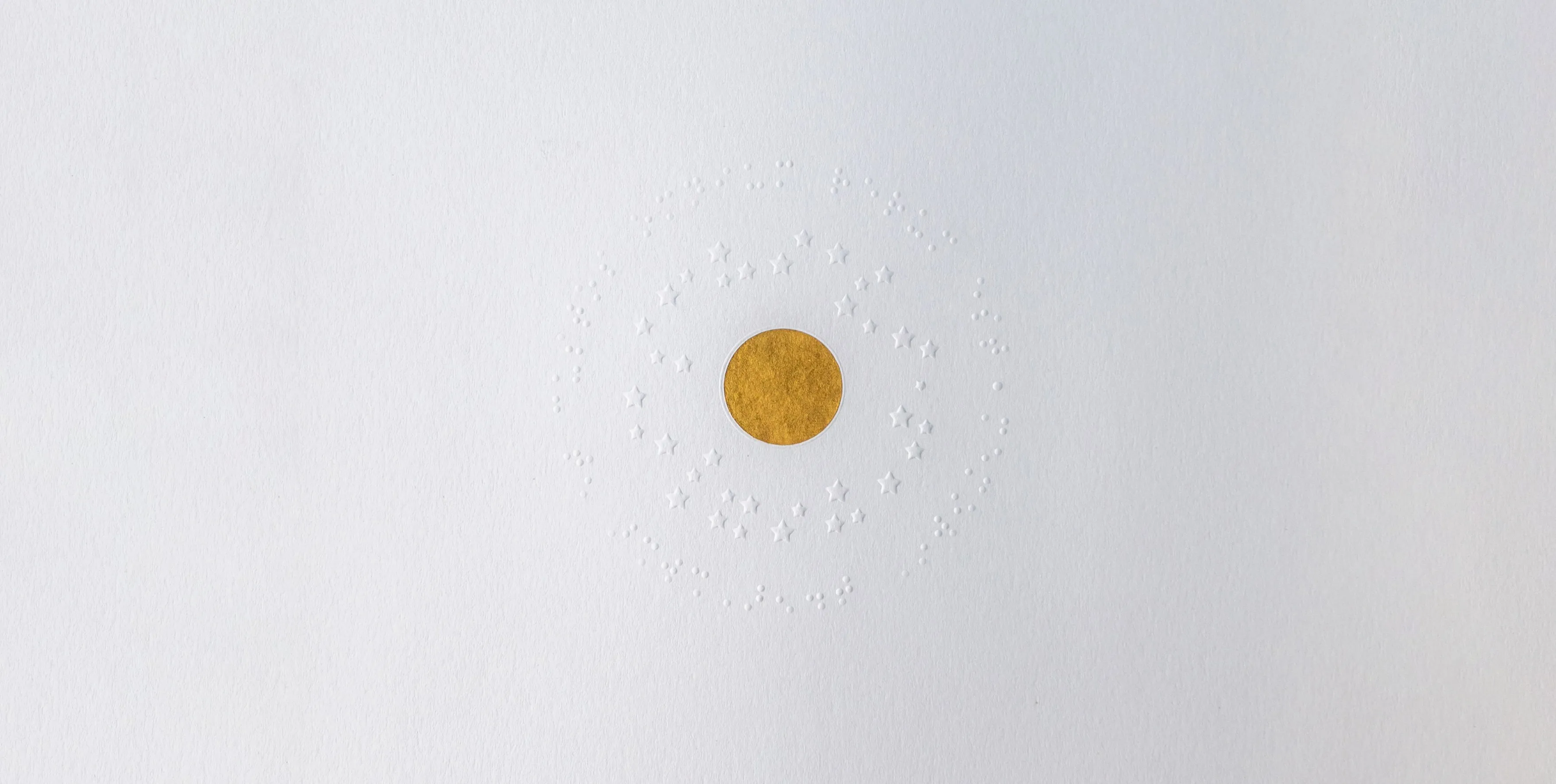
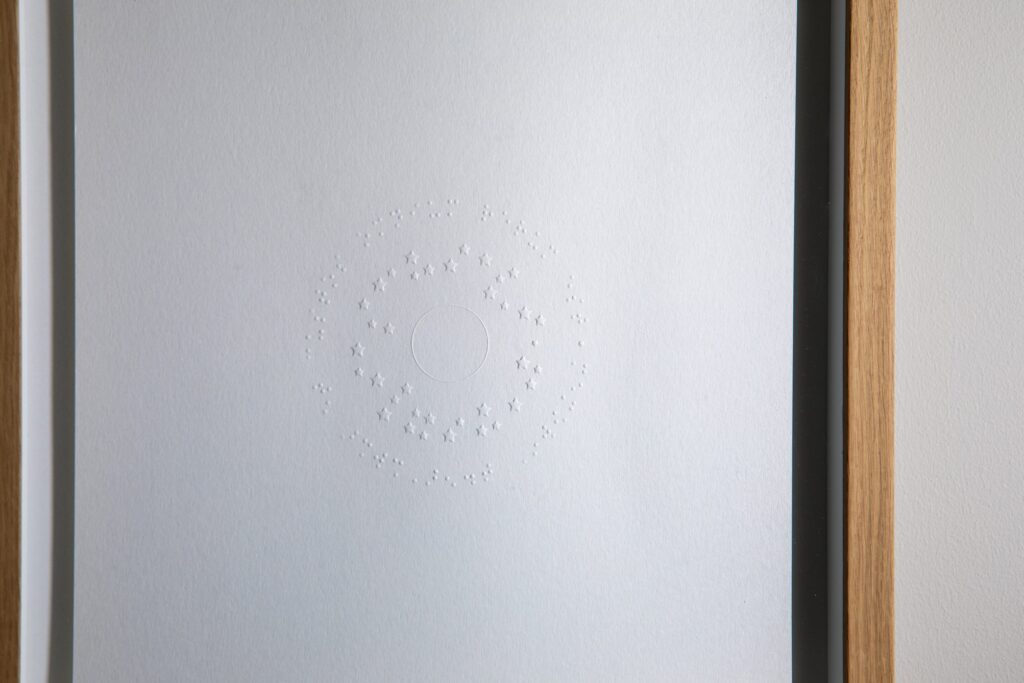
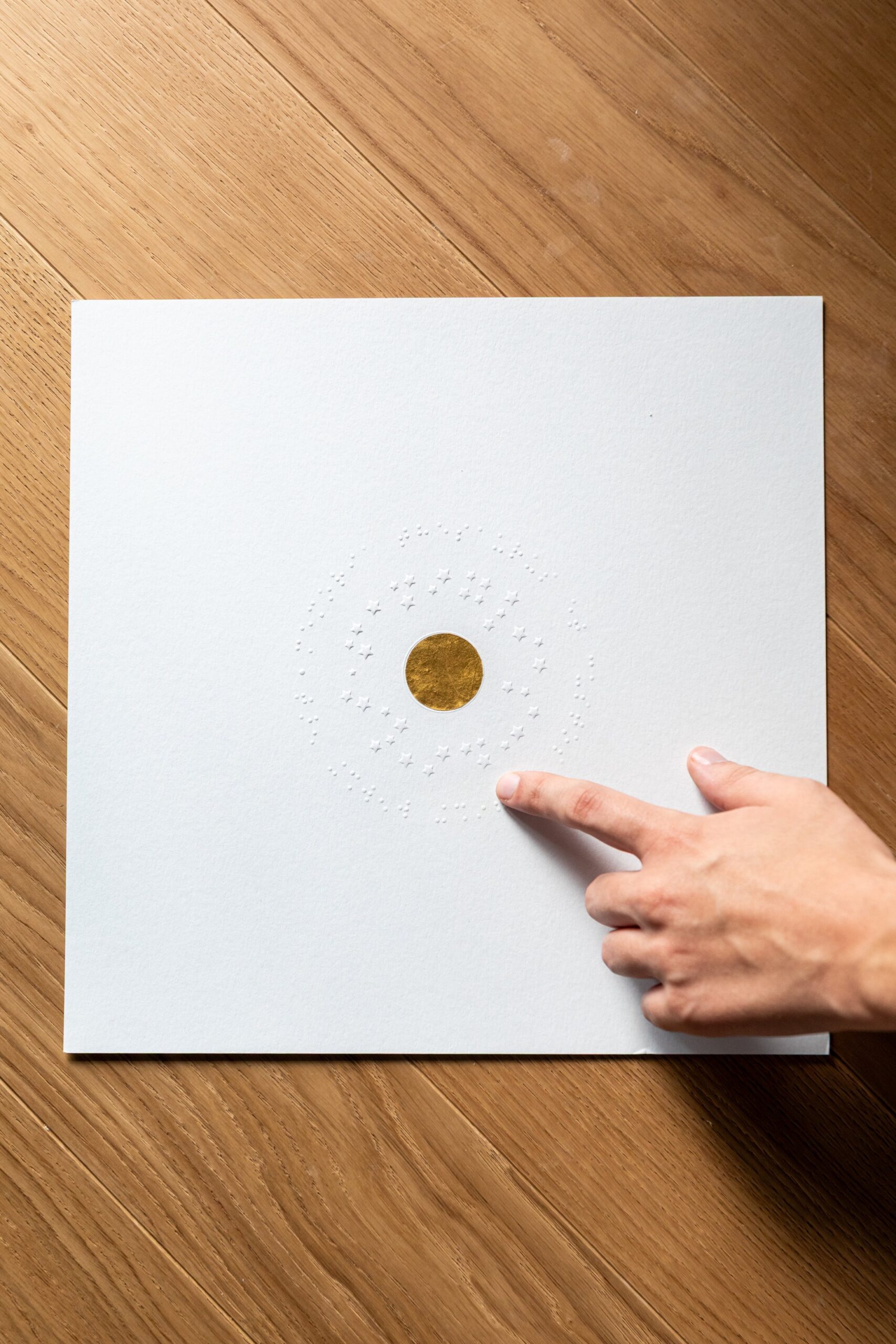
Sometimes just a work born almost sideways allows you to experience something that you would not have the courage or the possibility to do within a great institutional project. And maybe that intuition, which initially seems marginal, becomes the starting point for something that will arrive long after. So, time permitting, I often work on extemporaneous works. It was the case of the birth of the starry Braille.And in these months, what works have you stopped on?
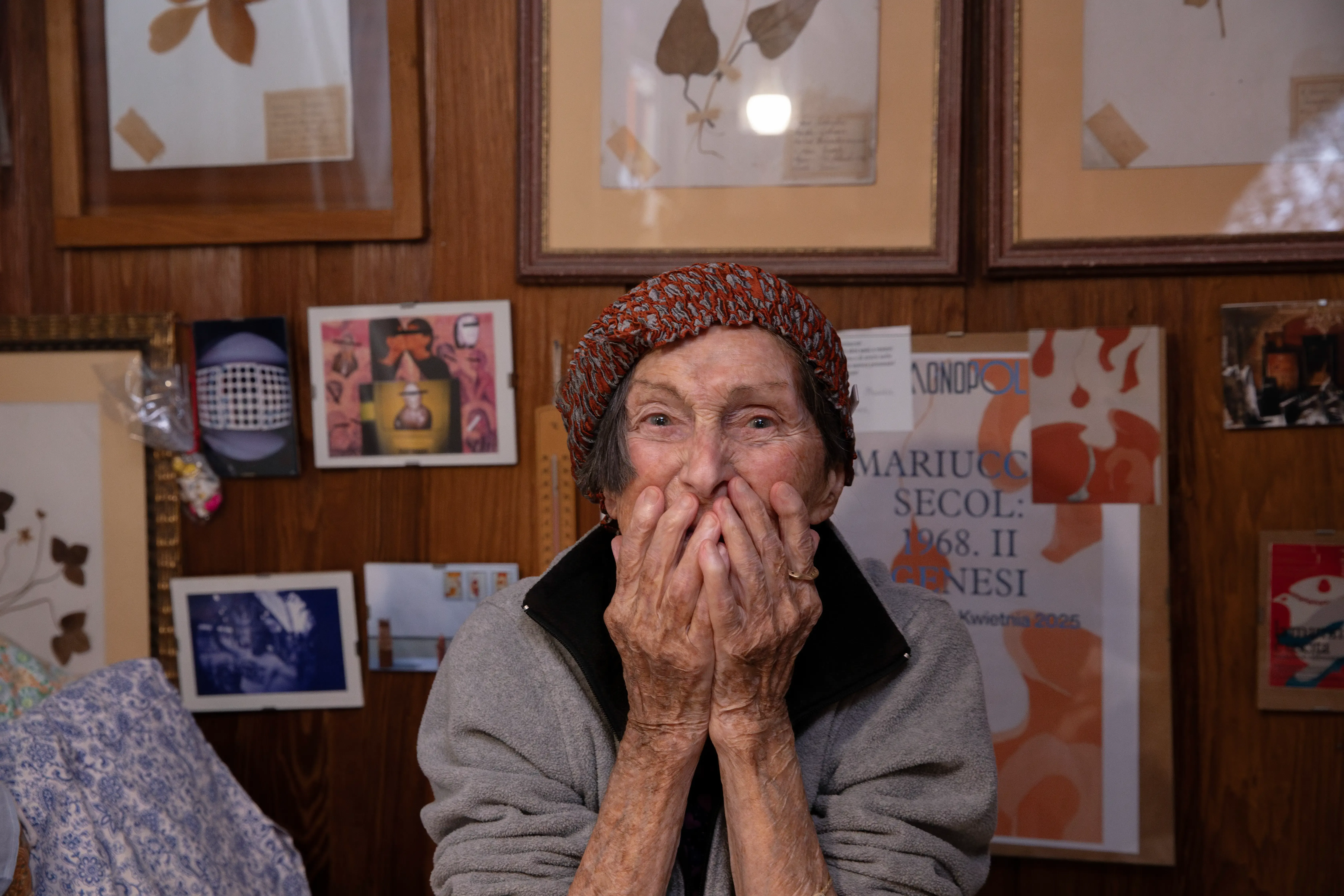
Sometimes a single work is born simply because I meet a person, it happens an occasion or I feel that there is something worth stopping on. In these months I am very happy to have managed to complete three of the four autonomous works to which I particularly cared and on which I have been reflecting for some time. Two are portraits, including the Portrait of Martina.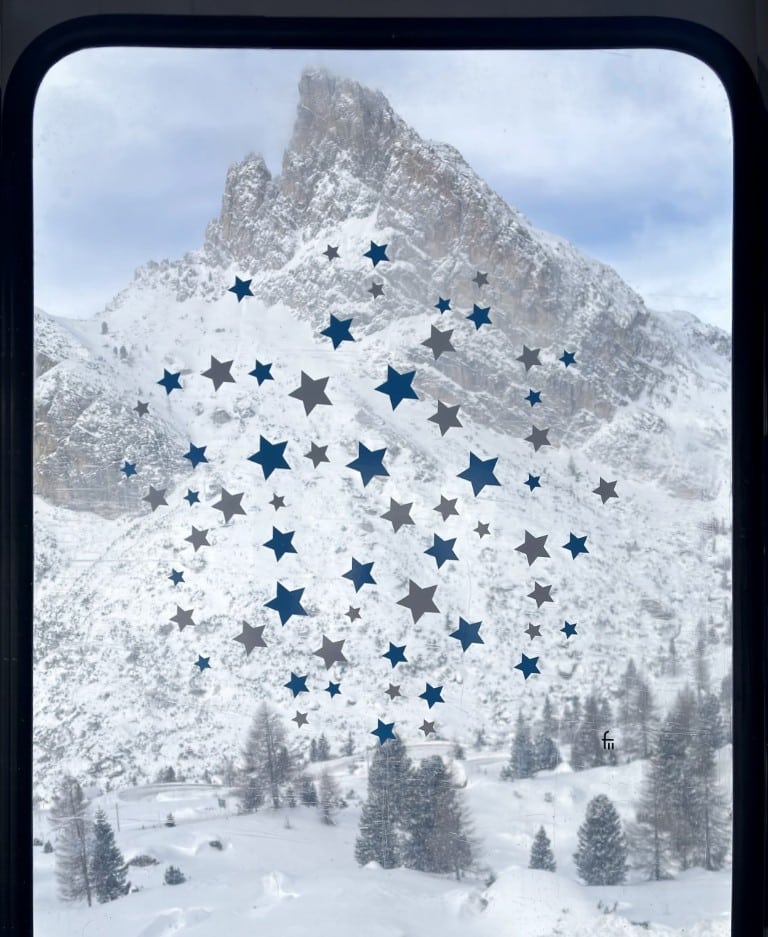
The portrait seems to be far from the search you're most well known for. Where did it come from?
In reality I think it's from a very far away. My whole story with art, somehow, began with a painting I had realized at the age of twelve. Then life took me elsewhere and my artistic journey took very different paths, but inside me it remained this almost elementary association: being an artist also meant being able to make a portrait. Over the years I worked with wood, turning, Braille, textiles, with languages that would seem to take me very far from the representation of the human figure. Yet, this distance has re-emerged the portrait as a point of attention. I don't like to talk about 'ssolved' questions in art. I prefer to think that there are questions that come back, maybe after years, when we have different tools to deal with them. At some point I wondered: how can I do a portrait today with the language that in the meantime has become mine?Why the portrait right now?
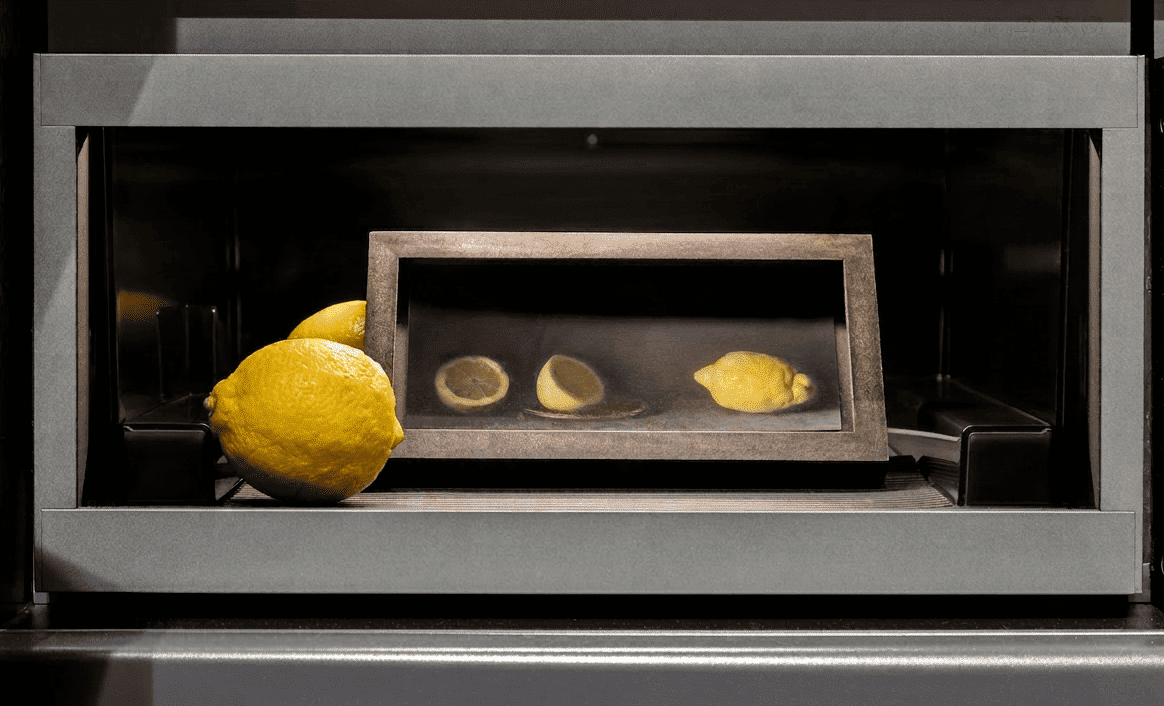
For me, portrait does not necessarily mean representing a face, but telling someone about how I see it or how it is told. Before the work there is always a moment of knowledge and listening. This time I had the opportunity to work with a father who had lost a daughter and to offer him a space to tell it through one of my portraits of stars, a path on which I have been working for years. It was a very delicate job, built through words, thoughts and memories. Shortly afterwards, a family asked me for a family portrait and the process was similar. This is perhaps what interests me about the portrait: not to describe how someone appears, but to try to return something of what it is. Then, almost by word of mouth, Schiavi S.p.A. asked me to make a multiple calcographic with gold leaf for an anniversary. He intrigued me because I had never thought ofAnd how did you translate the identity of a company into this work?
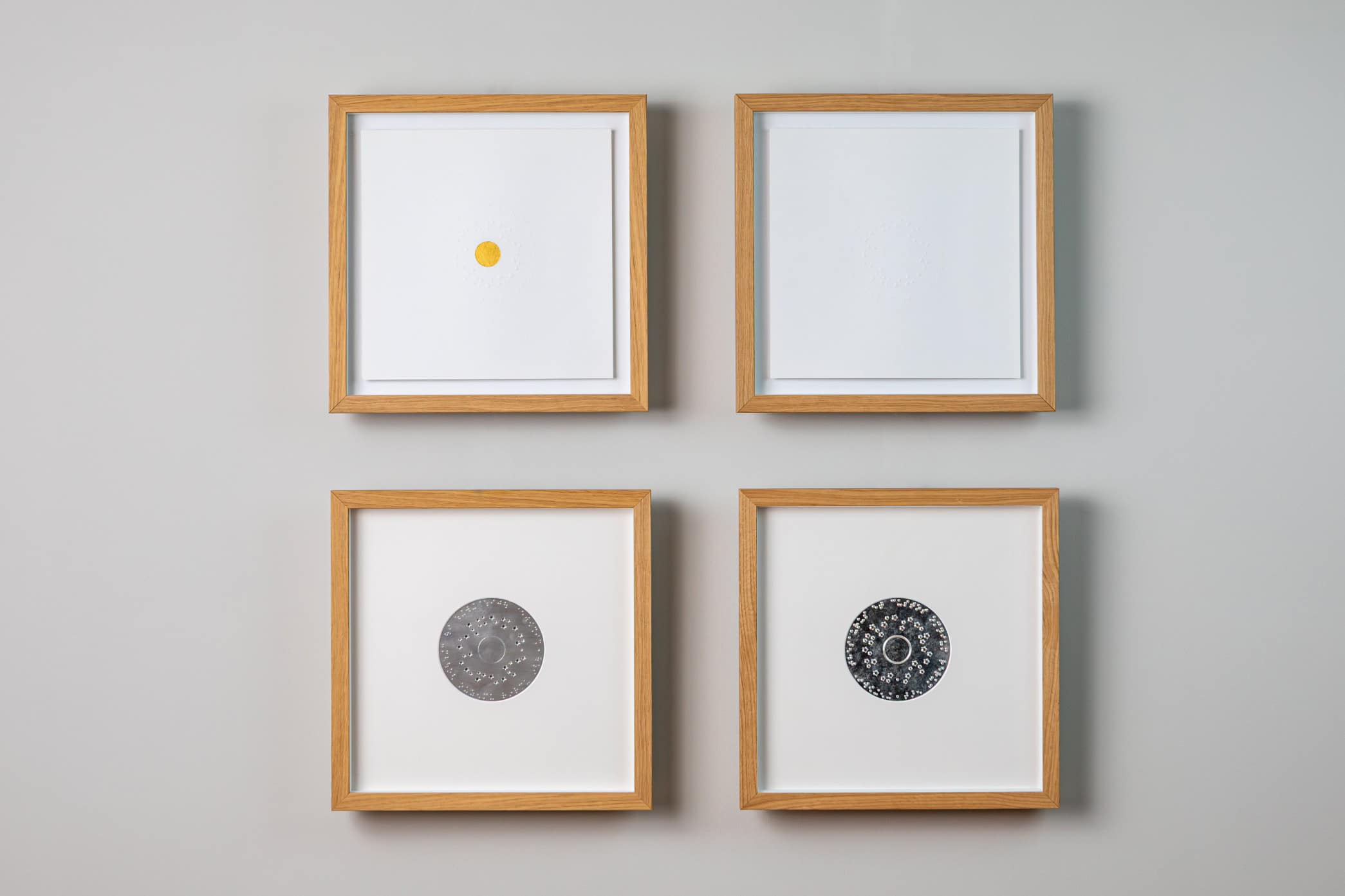
That work also introduces another theme that has been present for some time in your research: the multiple. What relationship do you have with seriality?
I love the one piece, of course, but I come from the design of wood and perhaps for this reason I never felt an absolute contradiction between uniqueness and repetition. A work can be repeated without becoming anonymous. Many of my works in Braille can also be embroidered up to five times. I think of them almost as sculptures: there is a matrix, an idea, a form that can be repeated in a very limited number of specimens. Over the years this reflection on repetition has taken very different forms. I have made multiples in paper, calcographs and even chocolate works with Guido Castagna. Very different materials, but united by the possibility of travelling an idea beyond the single object.Among these materials you seem to have a special relationship with paper.
I love it deeply. I study and look everywhere for it. In my work, touch is of fundamental importance and paper has an extraordinary tactile dimension. I really like the magnifications for this very reason. is not a neutral surface: has a matter, a plot, reacts to pressure, light and hands. It somehow invites you to be touched. It is a research that I have been able to develop in several projects, from Oculus allEye of Jung, up to the latest multiples and the calcography made in Paris for Ailes de MouetteFor an artist who has been working for years around the relationship between seeing and touching, it's almost inevitable material. And I always hope that those who choose one of my paper works are not afraid to touch it: is part of the work, the way it is thought to be lived.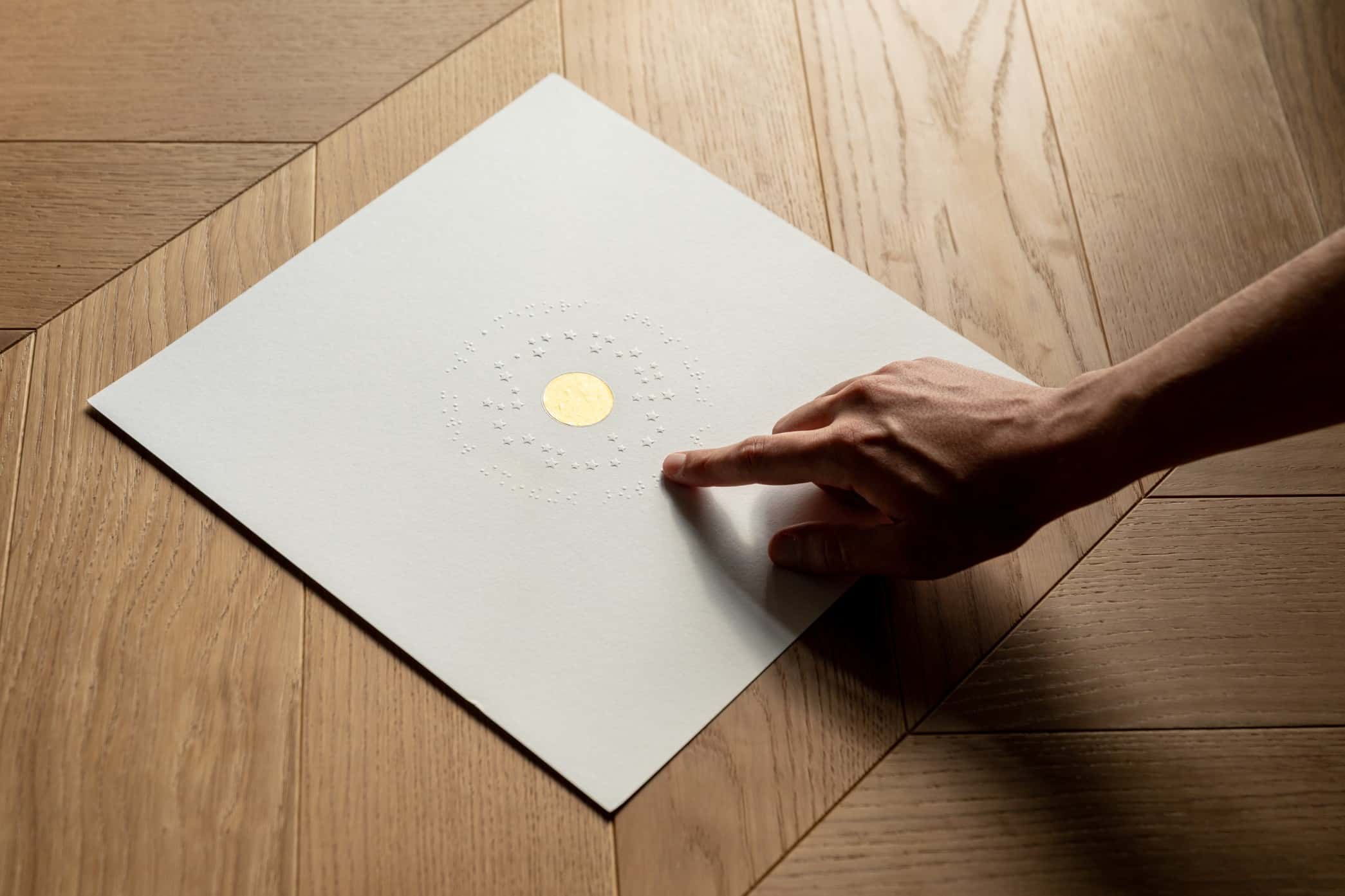
What relationship does a paper work create in your opinion compared to a large format?
You can hang it, but you can also keep it in a drawer and pull it out whenever you want. It remains something precious and almost intimate. Many of my works are large-format: they occupy a wall, modify a space and inevitably ask a lot of people who decide to live there together. I love that presence, of course, but I also understand the desire for a more individual relationship with a work. A calcography of fifteen, thirty or forty centimetres can establish a completely different relationship, perhaps quieter. And I must say that I always enjoy it when someone who received or purchased one of these works, maybe some time later, sends me a photograph to show me that he framed it and keeps it in the house. It means that that little work has found its own space.The paper leads us to talk about another constant in your work: the artist's books. Almost a stylistic figure that has always accompanied you and that also returns to the great projects. Can you tell us?
My work almost always starts from reading and writing, and maybe there is a paradox in this, because I am a person of few words. I do not particularly like to speak, I always preferred to let art speak and in Braille I found a way to tell and write even things that I probably cannot say. I think above all for images, for matter, for tactile sensations. The word is not my most natural language and perhaps for this reason I am so fascinated. I feel a great admiration for the writers and great authors of the past. Among all the expressive forms, the literature is perhaps the one before which I wonder more often how difficult it is, today, to be able to really add something new. I admire deeply who can do it. Perhaps what we could define as "passion" for the book is born precisely from this tension towards something that does not belong entirely to my nature, but that I feel very close. A bit like painting, from which I had started.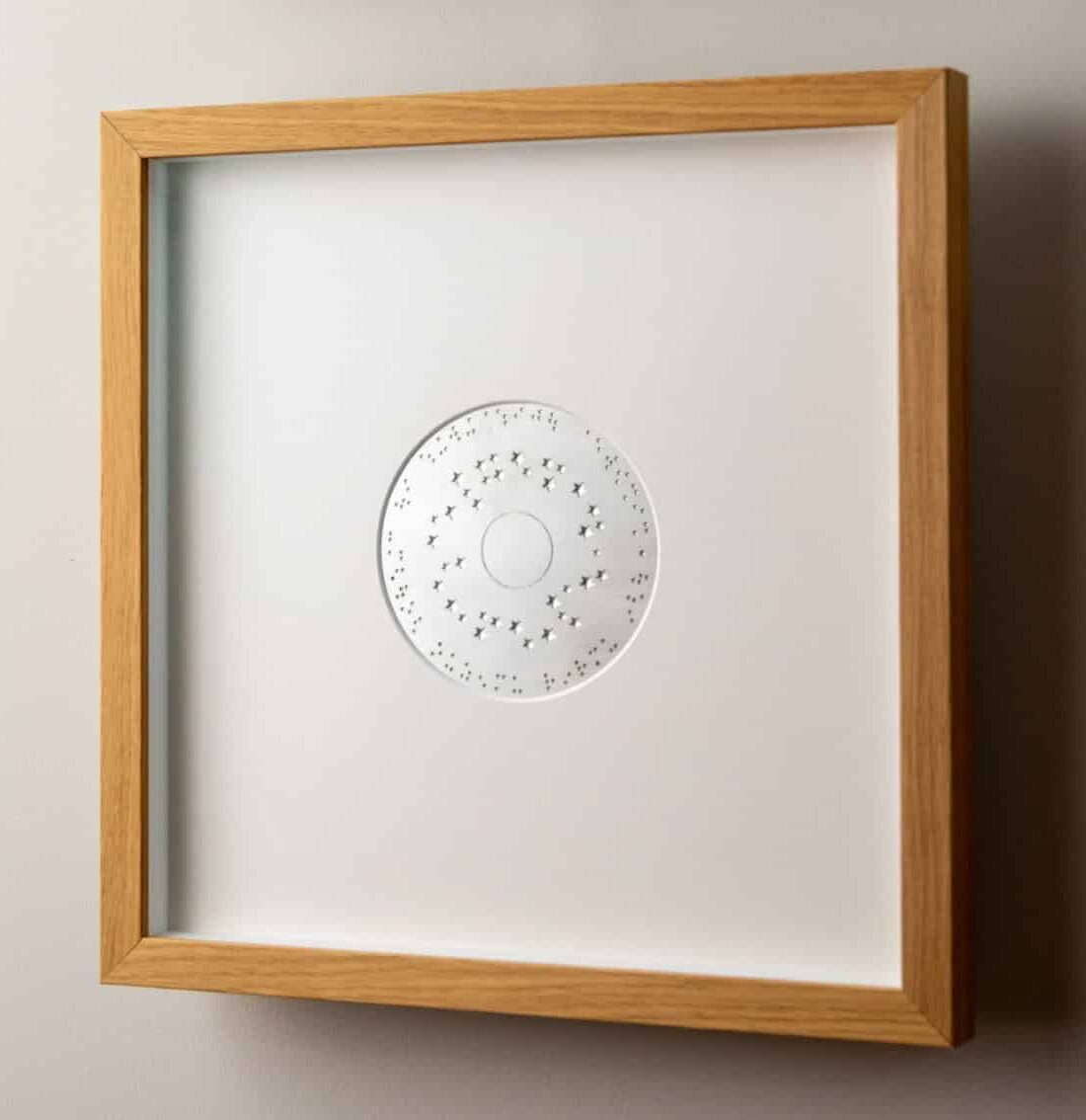
Yet, your books hardly remain only books.
True, because for me the book is almost a fetish: something that remains, preserves and tells without need to scream. My works can be choral and universal, but also enigmatic, stratified. The book allows to deepen some meanings, but to me it is never enough only the text. I need to remain the object, the matter, the touch. I like to think the book at three hundred sixty degrees: something to read, but also to look, touch, open, discover. books-object, almost small sculptures.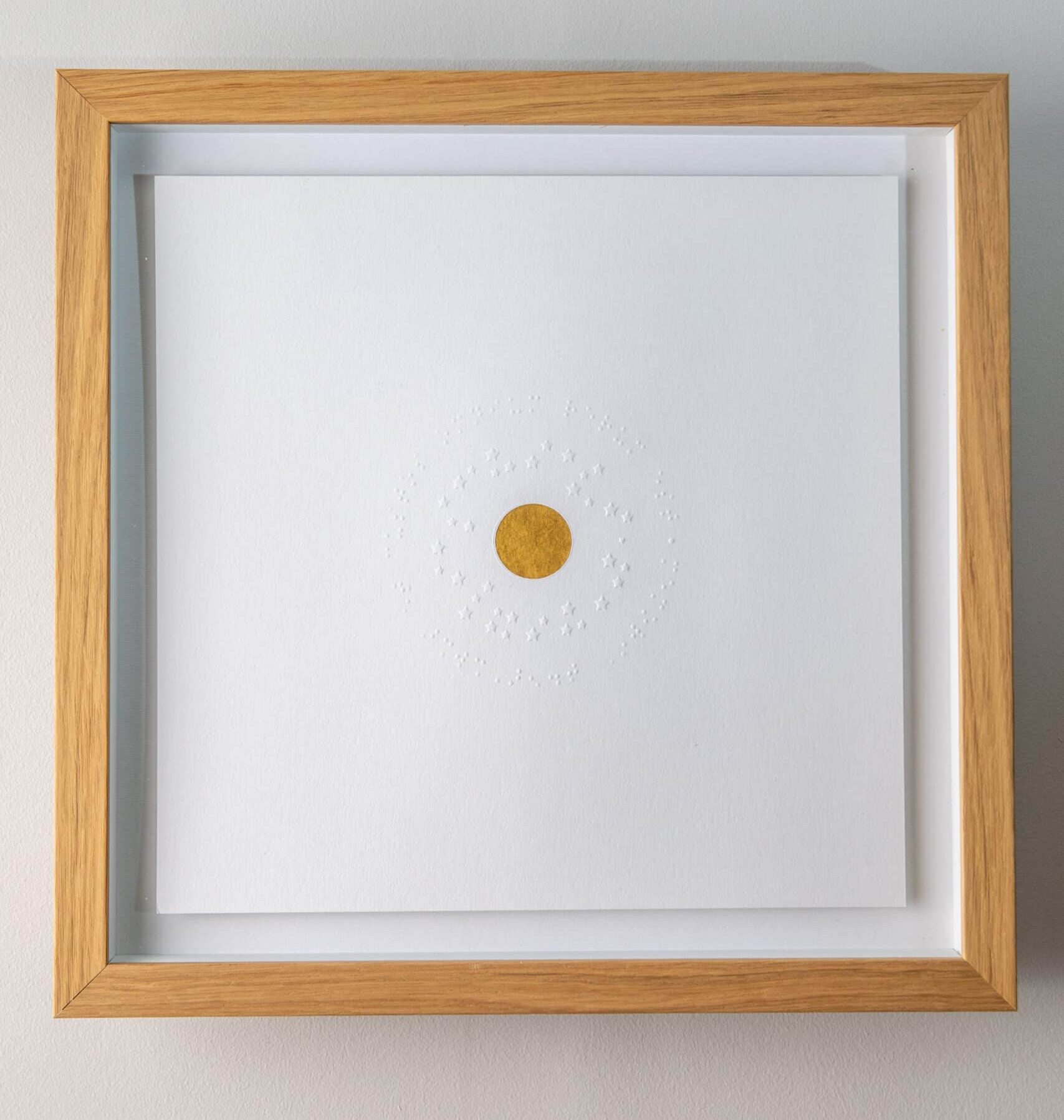
This is the case with the artist's book There are no limits, arrived in the collections of museums and institutions all over the world?
Of course, but not only that. This summer I had the opportunity to work on a very different project, born together with Edizioni Palazzo Lisio from the meeting with BLUE, a beautiful composition by Maria Luisa Domeniconi: a journey in the blue that also becomes a metaphor of existence. Maria Luisa had the generosity to allow me to enter her text without having to tell it entirely. I chose a fragment in which I immediately recognized myself: ♪ Thoughts will be / stars / those that you don't see yet. ♪ Those stars met my work naturally. I realized a small Pupil, declined in six unique specimens, which accompanies the composition. But the thing that interests me most is that it was not simply to add my work to a poem: a dialogue was created. I had imagined these blue in contrast with gold and Maria Luisa responded through her own visual language, her handwriting and the relationship between blue and blue. In the end, the book became a work composed of three souls: Maria Luisa's poetic word, her visual interpretation and my work, tactile but also visual. We have only made six examples, just to preserve its intimate and precious dimension. I am very proud of this work and happy to have presented it this summer in the Engadine.We started from the end of a great project and we ended up talking about intimate works, portraits, families, multiples, paper and books. So it is inevitable to conclude by asking: what are the new projects?
All the life of an artist is a project in the making. So maybe the new projects are those of yesterday that will live tomorrow.
To view videos, enable external content in your cookie preferences.