Sabino Maria Frassà
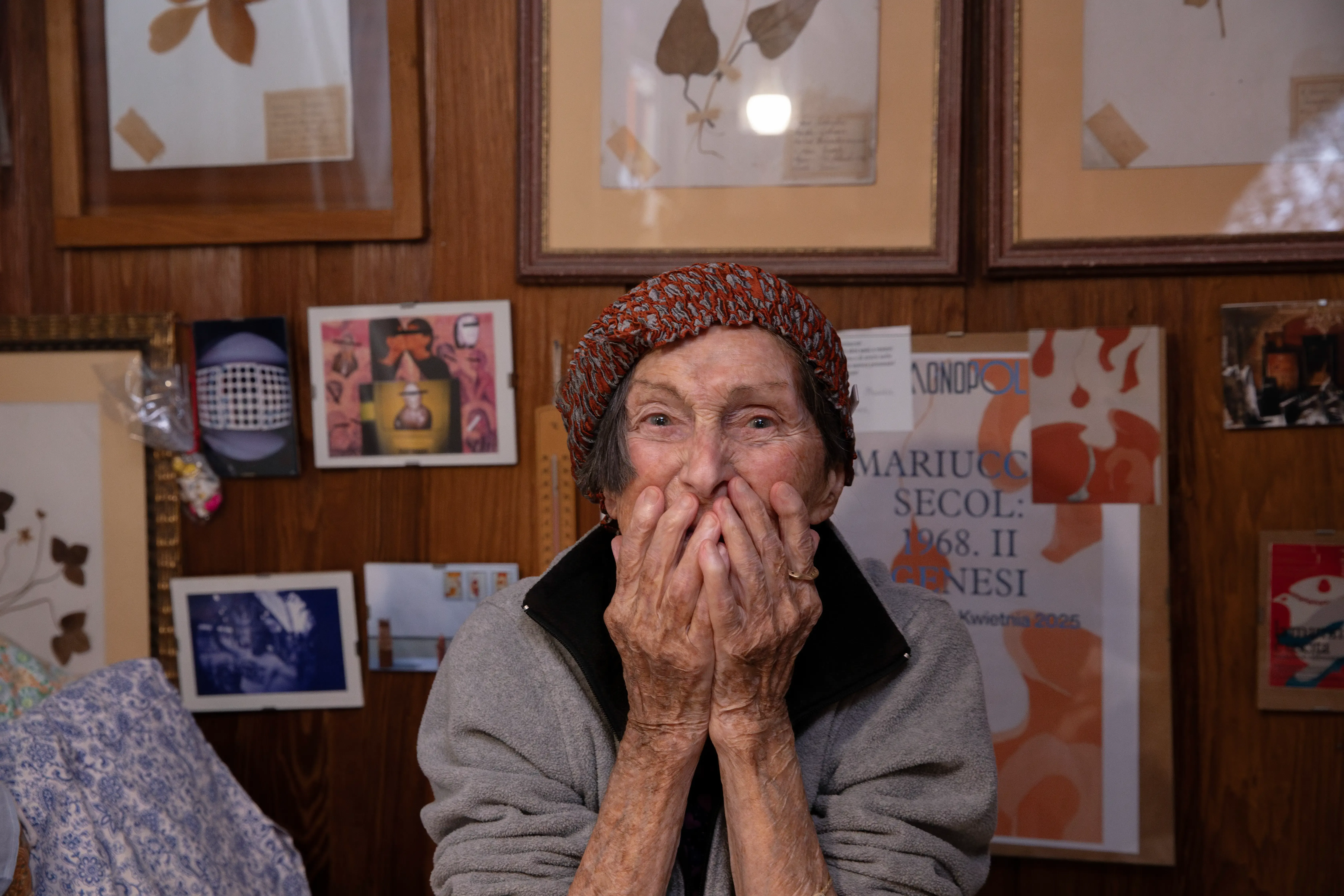
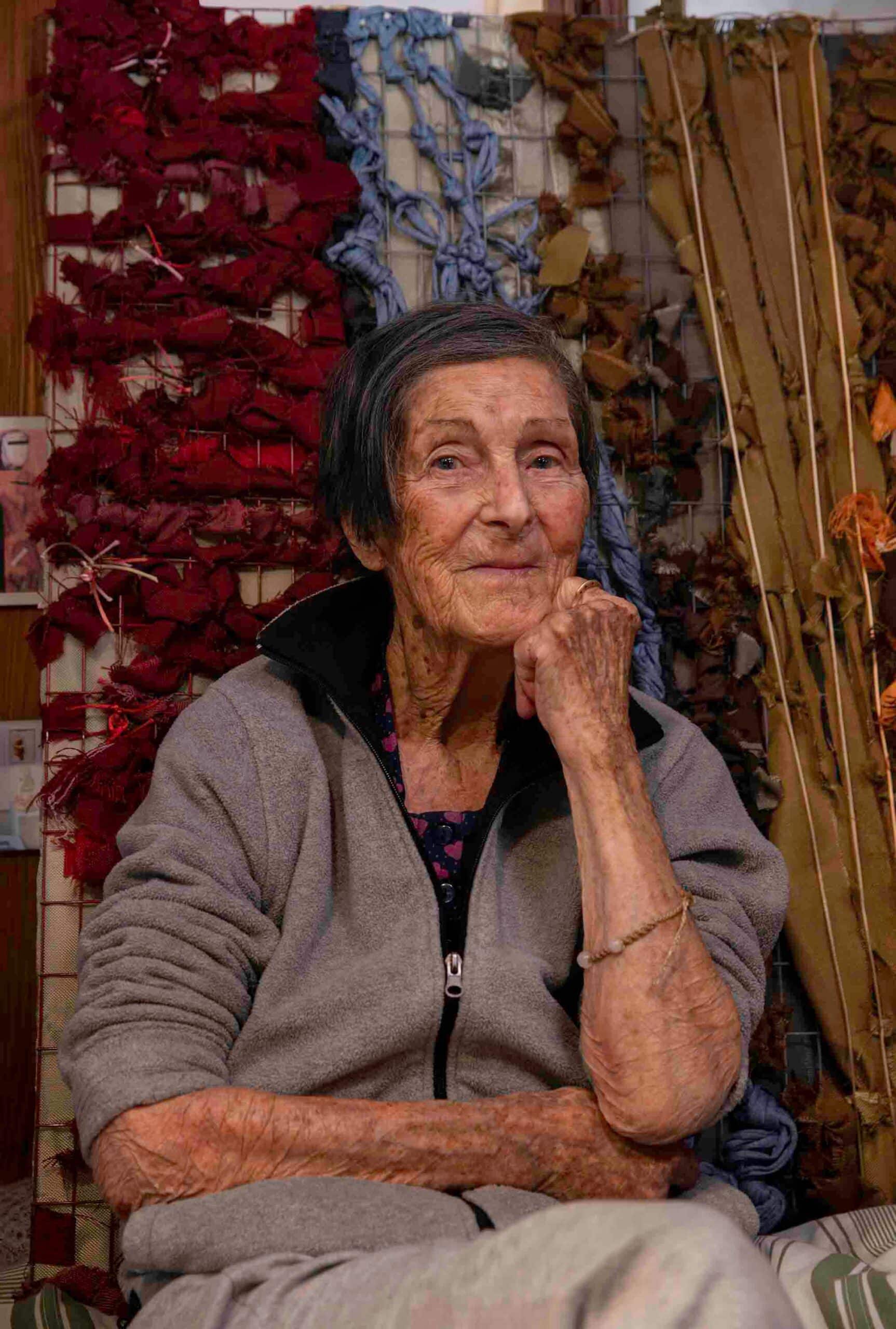
Mariuccia Secol, 97, is one of the protagonists of the season in which, between the late 1960s and the 1970s, art and feminism began to intertwine radically in Italy. In 1974 she was one of the founders of the Group Feminist Image of Varese; in 1978 she arrived at the Venice Biennale together with the compañeras of the group. Before that, since 1965, he had worked for over twenty years in the painting studio of the psychiatric hospital in Bizzozero, in the years when the revolution of Basaglia was changing the way of thinking mental illness and exclusion.
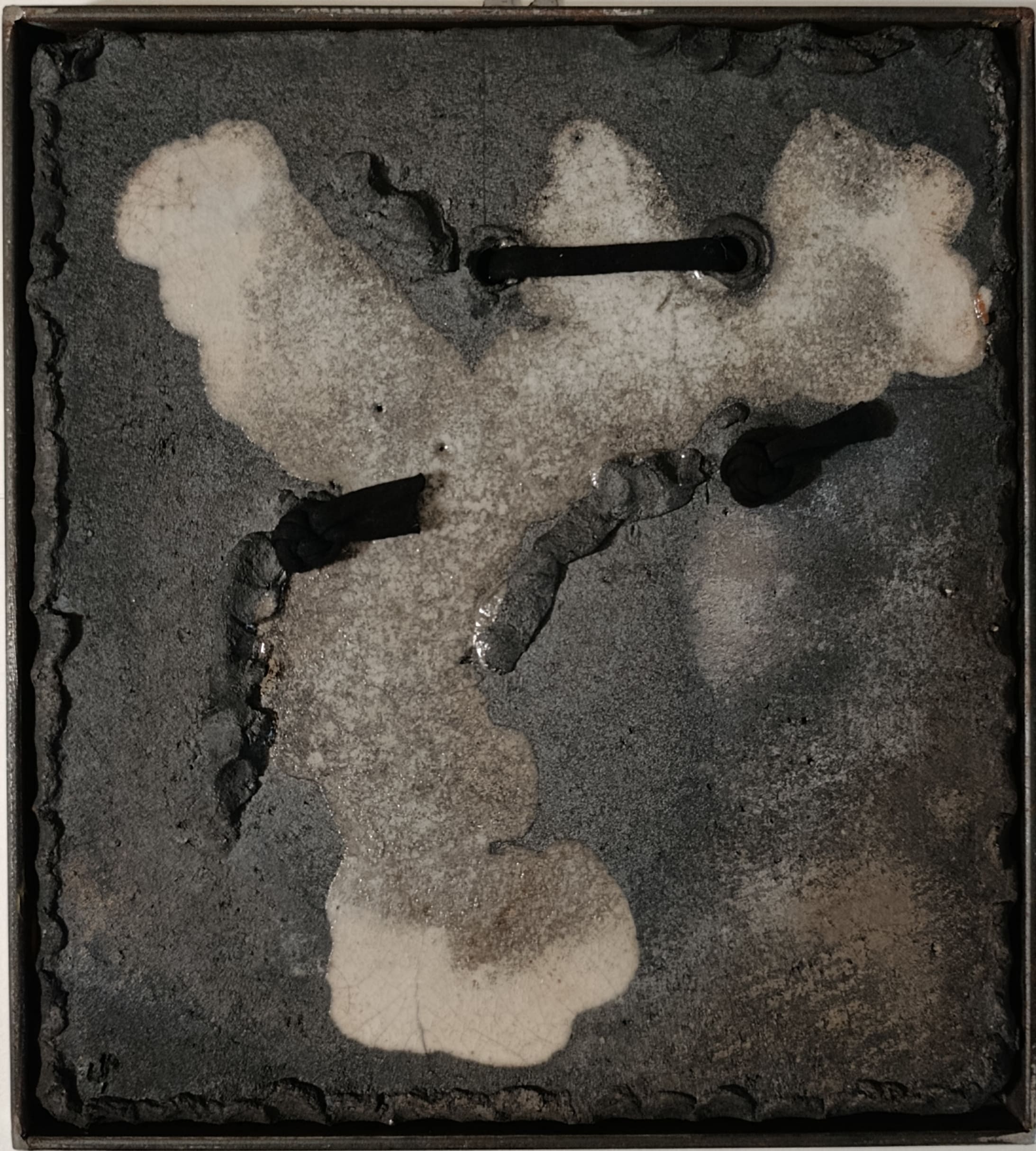
After going through the story in the voluminous retrospective Mariuccia Secol: Unraveling, hosted at the Muzeum Susch until November 1, 2026, I met him in his house-study near Varese, where he had begun to be an artist at the end of the fifties. Then he still signed Tognola, with his husband's surname. Then comes Secol. ÂFinally I got my name Â," he tells. Among the works that have not found significant space in the Swiss retrospective are the nodes, to which the artist attaches a particular importance and which continues to realize today. We chose to talk with her, along with the other themes that cross an artistic research inseparable from her biography. The knots, colors, war, sequins used to mock power, the small gates built for dolls: the following is the conversation with a sweet and melancholy woman who, after almost a century, has not yet made peace with a world without peace.
♪ The knots never end, you have to be honest. It's terrible ♪
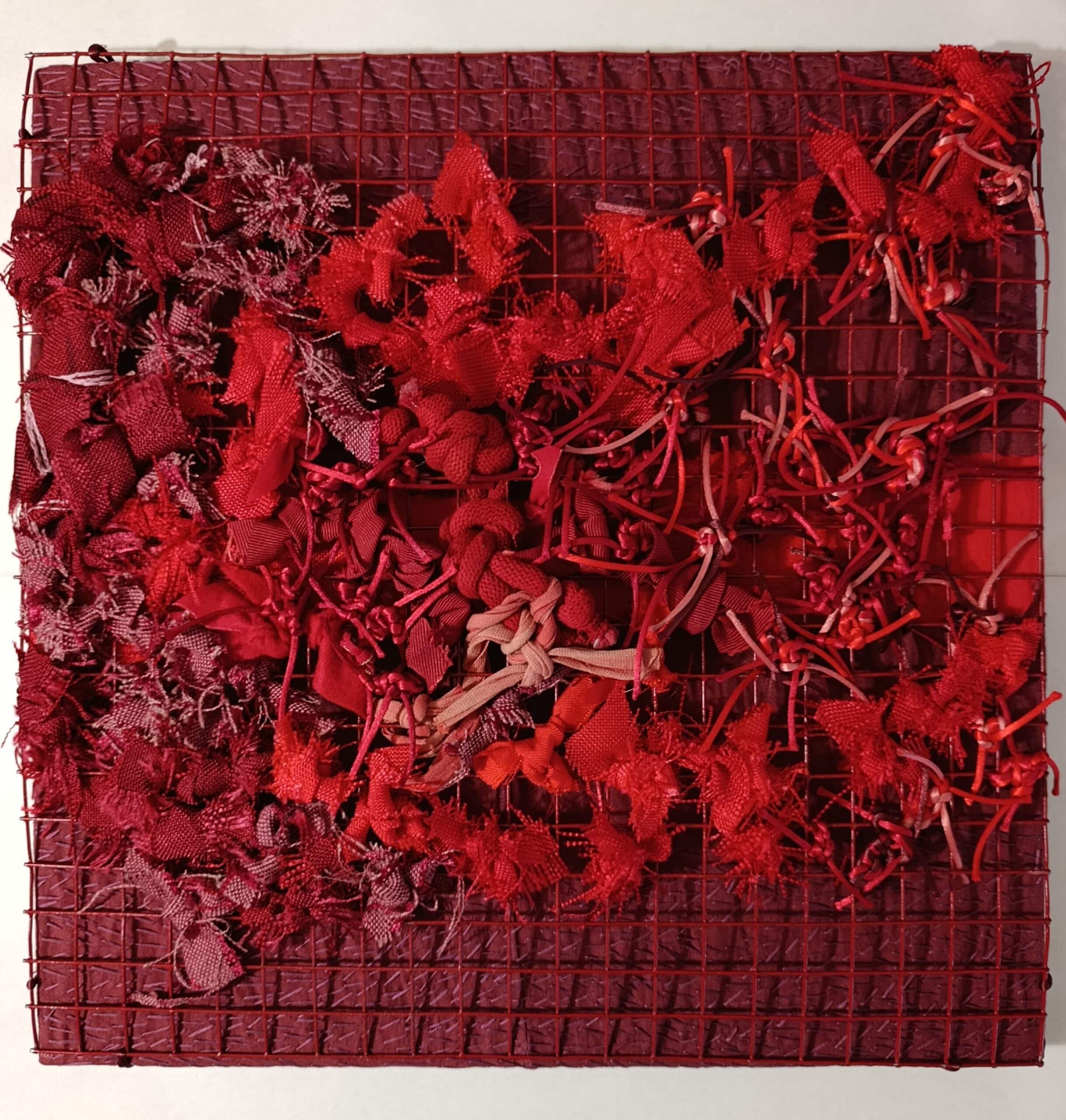
Mariuccia Secol is 97 years old and continues to do them. In the study she has found some advanced fabric, some stripes, and she has started to join them again through the knots. "I still have to do them, I can't but keep doing them and it's terrible. I ask her why it's "terrible" , the answer comes almost disarming: , because I'm peaceless. Maybe you have to start here to tell it today. Not from the seventy years of work, from the exhibitions, from feminism or the recent international rediscovery. But from this sweet and tiny woman who has gone through almost a century continuing to look at him as something with which he cannot completely reconcile. I ask her if there has been at least one moment in her life when she has been truly at peace. She is almost surprised: Â But how did I be at peace? Â . And memory returns to a life marked by war. But soon comes also to the present, to a world still in war, which Mariuccia, restless, seems to absorb like a sponge. The wounded father in the belly, abandoned among men who seemed all dead and saved because someone refused to leave him there. Brother Piero sent to Russia and returned after seeing a friend die at his feet. Then Fascism, Liberation. Secol seeks in memory a more quiet interval. Perhaps, he grants in the end, the Sixties. But the thought runs immediately again to the violence and the prevarications of the present.
Peace seems to have been a parenthesis. The knots, however, have remained.
At the beginning they were also a technical solution. Then they became language. ♪ The knot is something it takes, it leaves a mark ♪ ♪ It is difficult to listen to it without thinking that there is much more to it than the fabric. A knot tightens, unites, holds. It can be loose or resist. And above all it leaves a trace even when it is no longer there. Even the color, in its work, seems to have gradually learned to say and to silence. Secol is born a painter and still remembers with affection the burned cities: ♪ They have not lost their meaning ♪ . Then the color was much more present. Then it begins to remove it. It discovers that linen, linen, linen, hemp already possess their own colour, their expressive power. White, grey and above all black come. Not as a symbol imposed by the outside, but because it works: it makes the fabric stand out, gives the composition a more interesting rhythm. Yet, the color does not disappear. It changes craft and, in the years 2000, returns impetuous and merciless. The faces of power taken from newspapers ' among these also that, famous, by Silvio Berlusconi ' are attacked by coloured threads, applications and sequins. In Postcards the palette becomes lit, showy, almost brazen. I ask you why sequins. ©In a certain sense It's like ridiculing the character, he answers. And he immediately thinks about the carnival. It's a small statement of poetics. The color he had previously managed to stand aside when it takes away authority. He shines to mock. Decorates to desecrate. The sequin, apparently frivolous, becomes a way not to take power too seriously.
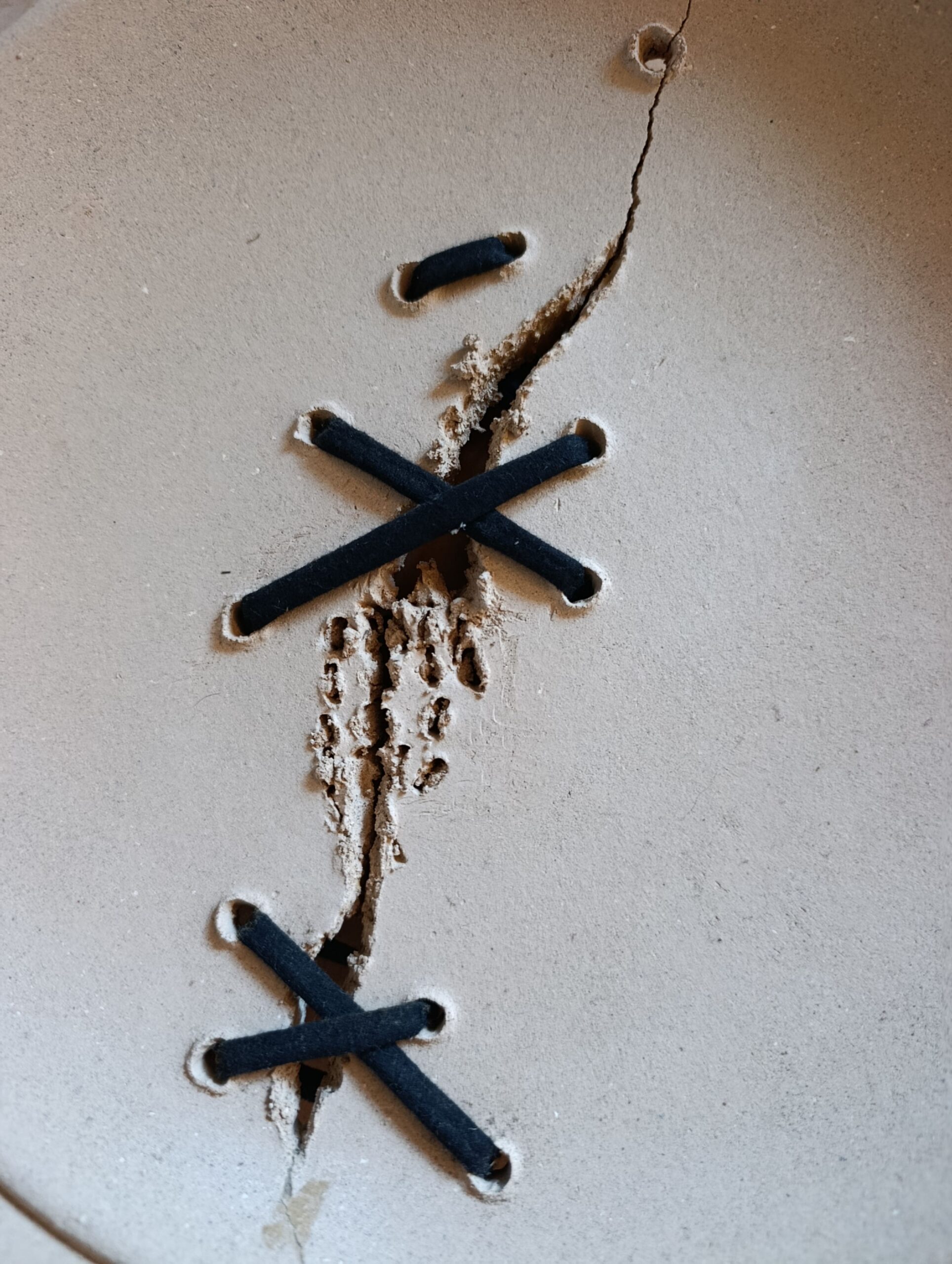
There is in Secol this strange coexistence between hardness and sweetness. I point out to him before the knots: they are elegant, refined, even pleasant to look at, yet they can tell a suffering. Even the cry screams without becoming brutal. I ask her if she has ever consciously sought this harmony. ♪ No, no ♪ Maybe, I suggest, it is simply a part of her. ♪ An innate part ♪ And when I ask her if she was a person in life who tried to put peace among others, this time she does not hesitate: ♪ Yes, yes. It is true.
It is one of the most beautiful paradoxes of conversation: a woman who tried to bring peace among others and who, at 97 years of age, says of herself that she is still "without peace" .
Perhaps for this reason too he never felt the need to find a definitive formula. Some works are born from reasons that today can perfectly reconstruct; others retain a mystery even for her. When I ask her where that repeated form comes from in the works recently gathered under the title of OgiveI ask you how you understand that a search is over, when the time comes to stop doing something that you may have accompanied for years. ♪ When I need to make another one ♪ But the knots? Those are not. ♪ The knots are not finished ♪
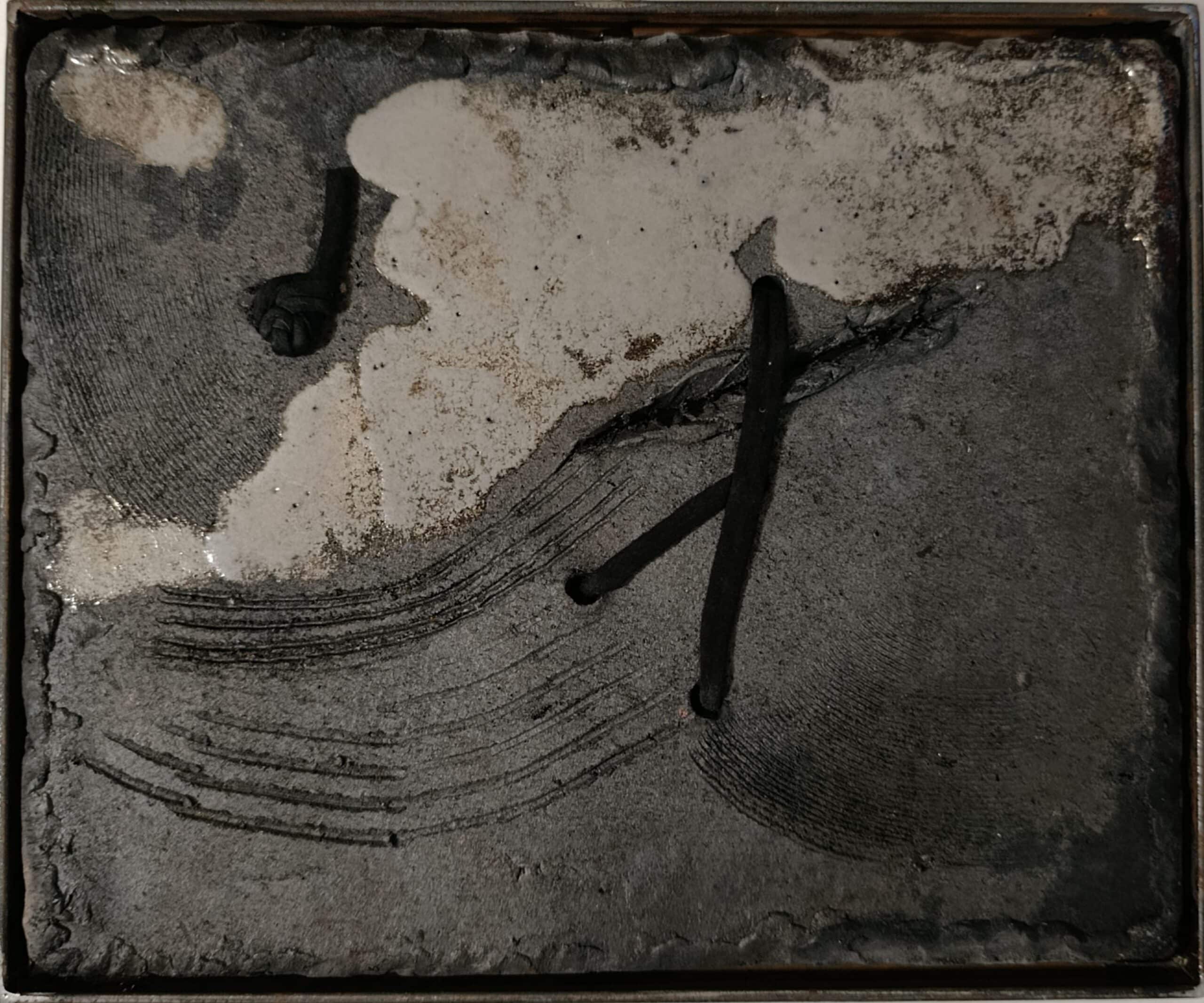
As they return, decades later, even the dolls. In the 1970s Secol had worked on the Doll House, figuratively and materially disassembling a universe of assigned roles. Long after, small Doll Gates appear. They seem almost like toys, but behind that child's ladder there is a very hard thought. Secol explains to me that children are given pots and other small objects that reproduce in miniature the world of adults. Then, think, there should also be gates. So that as a child they can understand the problem of exclusion, the constraint, the existence of something that separates those who are inside who stays out. It is perhaps one of the most tender and together fiercer images of his research: to teach the existence of barriers through a toy. In the end, the nodes remain. The Mariuccia Secol ones seem to do something different: they pass through time, they change matter and meaning, they squeeze together the memory of a troubled century and a piece of fabric knotted almost a century later. It is no coincidence that Secol attributes to these works, absent from the great Swiss retrospective, a special importance. In an artistic research that has always been deeply autobiographical, the nodes seem to assume the value of a will. At 97 years, the artist does not give us an answer, but a awareness: the nodes of life and history cannot be loosed all. And perhaps they will never end.
Secol continues to work. There is still something that takes, something that leaves a mark. Sweet, melancholic, combative. He is able to seek peace for others and never find it completely for himself.
Perhaps it is this anxiety that has kept you at work for so long.
And Mariuccia Secol is still, stubbornly, without peace.
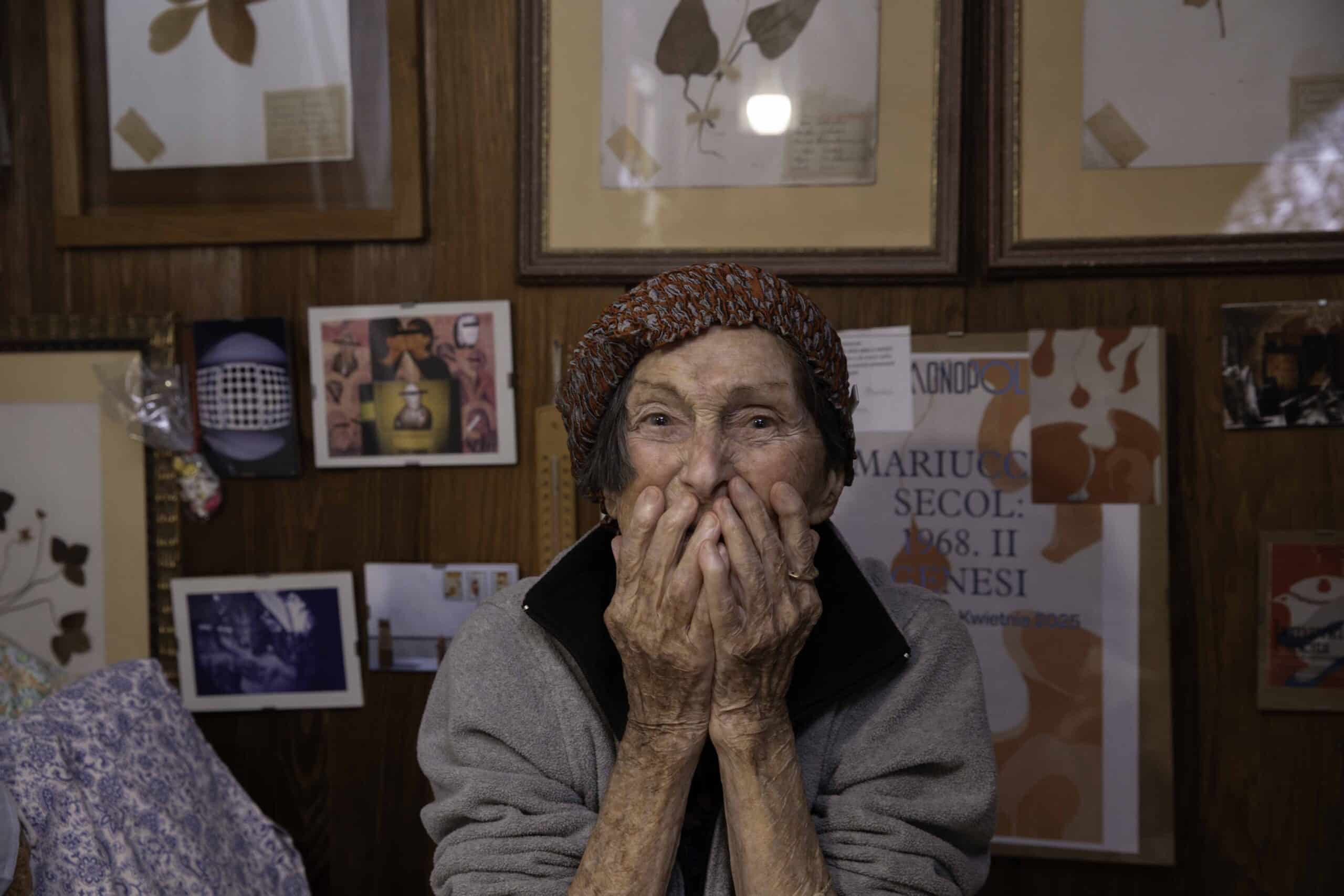
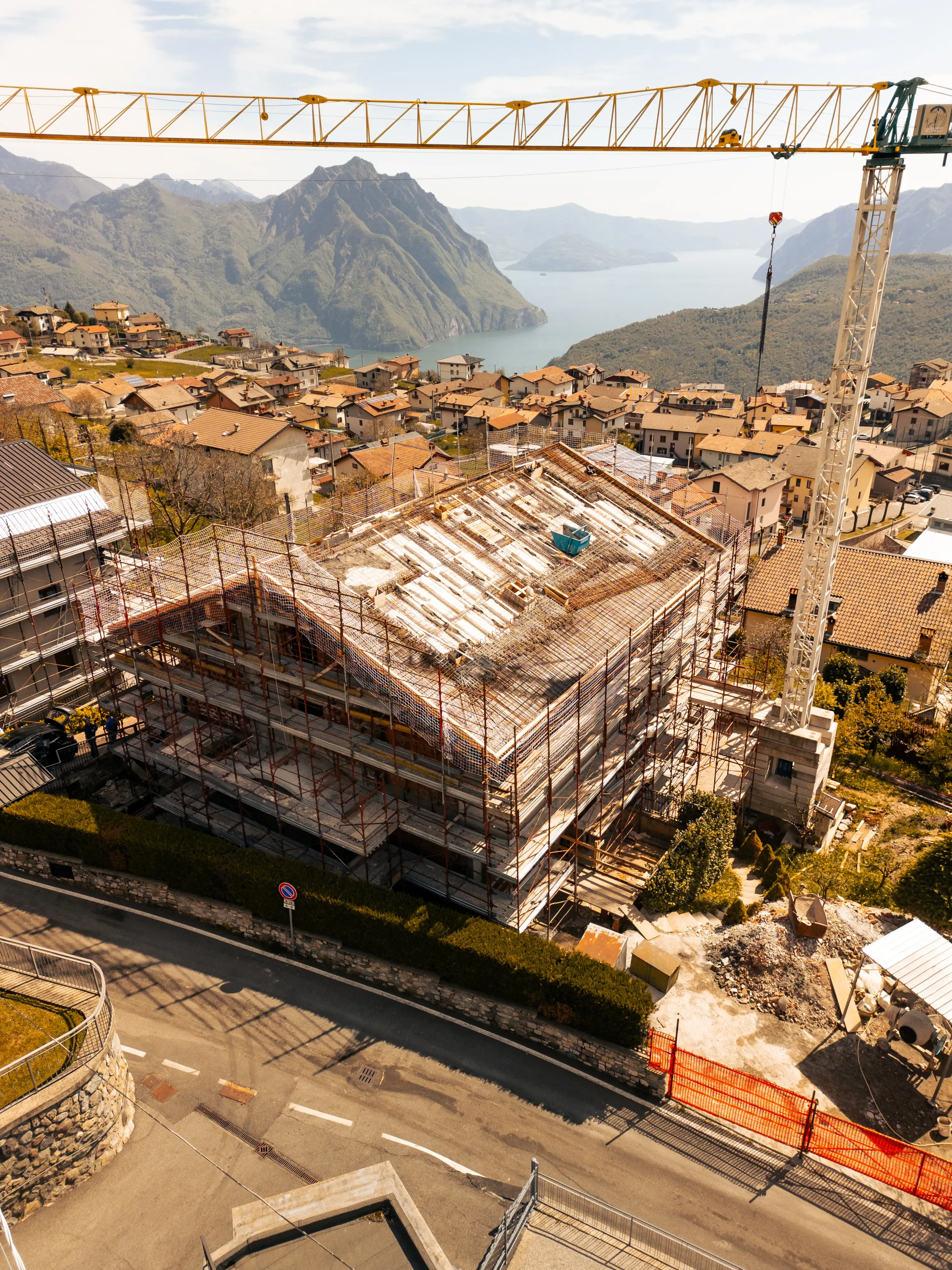
The meeting with Mariuccia Secol marks a new stage of L'ARTE IN FIRST PERSON, a project promoted by Cramum together with Schiavi SpA, with the ideation, concept and creative direction of Sabino Maria Frassà.
Discover previous episodes:
Ingar Krauss tells thirty years of photography: from East Berlin to East Berlin Artissima with Gaggenau
To view videos, enable external content in your cookie preferences.