The significant and rapid evolution that has long characterized the building compartment also involves progressive ** assimilation** of new materials, used both in the constructive/functional and purely decorative. Among the most innovative solutions , and among the so-called "special" , of a sector now strongly oriented to performance and sustainability • the Sintered stone, which could soon redefine the standards of stone coatings thanks to its formidable technical properties and versatility in use. The result of advanced production processes, the sintered stone (whose commercial names are currently Neolithic®, Lapitec® and Dekton®) combines the charm and elegance of natural stone with superior performance in terms of strength, durability and sustainability. Its growing diffusion in contemporary architecture** and interior design** is motivated by the ability to respond to the increasingly challenging needs of designers and manufacturers, who demand a solution that combines aesthetics, application flexibility and functionality.
Then we will explore in more detail what is the sintered stone, such as vantages offers compared to traditional materials and because it is considered a solution of great interest in the area of the stones coverings.
The Sintered Stone** is an innovative material composed exclusively of natural minerals carefully selected, including clays, feldspars, silica and mineral oxides. This mix of elements is subjected to an advanced process of sinterization, which allows to obtain a product with high technical performance, ideal for applications in construction and design.
The sinterization is an industrial process that ** reproduces in a few hours** what happens in nature in thousands of years with the formation of rocks. The process takes place in two sequential phases: the high pressure compaction and the subsequent thermal treatment. The first involves the compaction of mineral dusts, which are pressed to a homogeneous and compact structure. The heat treatment is carried out at temperatures up to 1200°C and allows to obtain an extremely dense and resistant material without reaching the complete fusion. This particular processing gives the Sintered stone a ** uniform crystalline structure**, with a porosity almost nothing, which makes it not only highly resistant to external agents, but also waterproof.
The result is therefore a material with superior performance compared to many traditional analogues. Thanks to its composition and advanced production process, the Sintered stone stands out for:
- High density and compactness, which ensure durability over time.
- Scratch resistance, shock and wear, making it ideal for surfaces subject to strong stress.
- Limited porosity, which prevents the absorption of liquids and facilitates the cleaning of liquids. We specify that only recently the Sintered stone was officially recognized as a commodity category at European level. In May 2023, the European Commission (EC) and theOrganization European Evaluation Technical (EOTA) approved a new **EAD (European Assessment Document) , formally introducing the name Sintered Stone as a specific categoryThis passage has allowed this material to obtain the CE marking, certifying compliance with European standards.
Technical characteristics and advantages of sintered stone Let's now deepen in more detail the technical characteristics and advantages that distinguish this innovative material.From the point of view of the resistance, the sintered stone is able to withstand high stresses without suffering damage.Its surface is therefore highly resistant to scratches andabrasion, preserving aesthetic integrity even in contexts subject to strong wear.Thanks to its compactness, it is not altered by aggressive chemical agents or acidic substances, ensuring a high durability. Thermal excursions do not compromise the stability of the sintered stone, which maintains its properties even under extreme climatic conditions. Moreover, its resistance to fire makes it a safe material, suitable for any architectural context. It does not fear even humidity, salt and UV exposure, which makes it ideal for both indoor and outdoor applications. Besides boasting excellent structural properties, the sintered stone is also a sustainable choice. It is in fact a material completely recyclable, free of oil derivatives and realized through a production process with low environmental impact, which reduces the use of natural resources and limits CO2 emissions. Therefore, it does not release harmful substances in the environment, helping to improve the quality of the air in the spaces where it is installed. From the point of view of hygiene and maintenance, the sintered stone offers a significant advantage over other stone materials: its non-porous surface ** prevents the absorption of liquids**, avoiding the formation of stains and facilitating cleaning. It does not favour the proliferation of bacteria and molds, proving particularly suitable for environments requiring high hygiene standards, such as kitchens, bathrooms and public spaces. Finally, its maintenance is minimal: the material does not require specific treatments over time, to guarantee a high practical use.
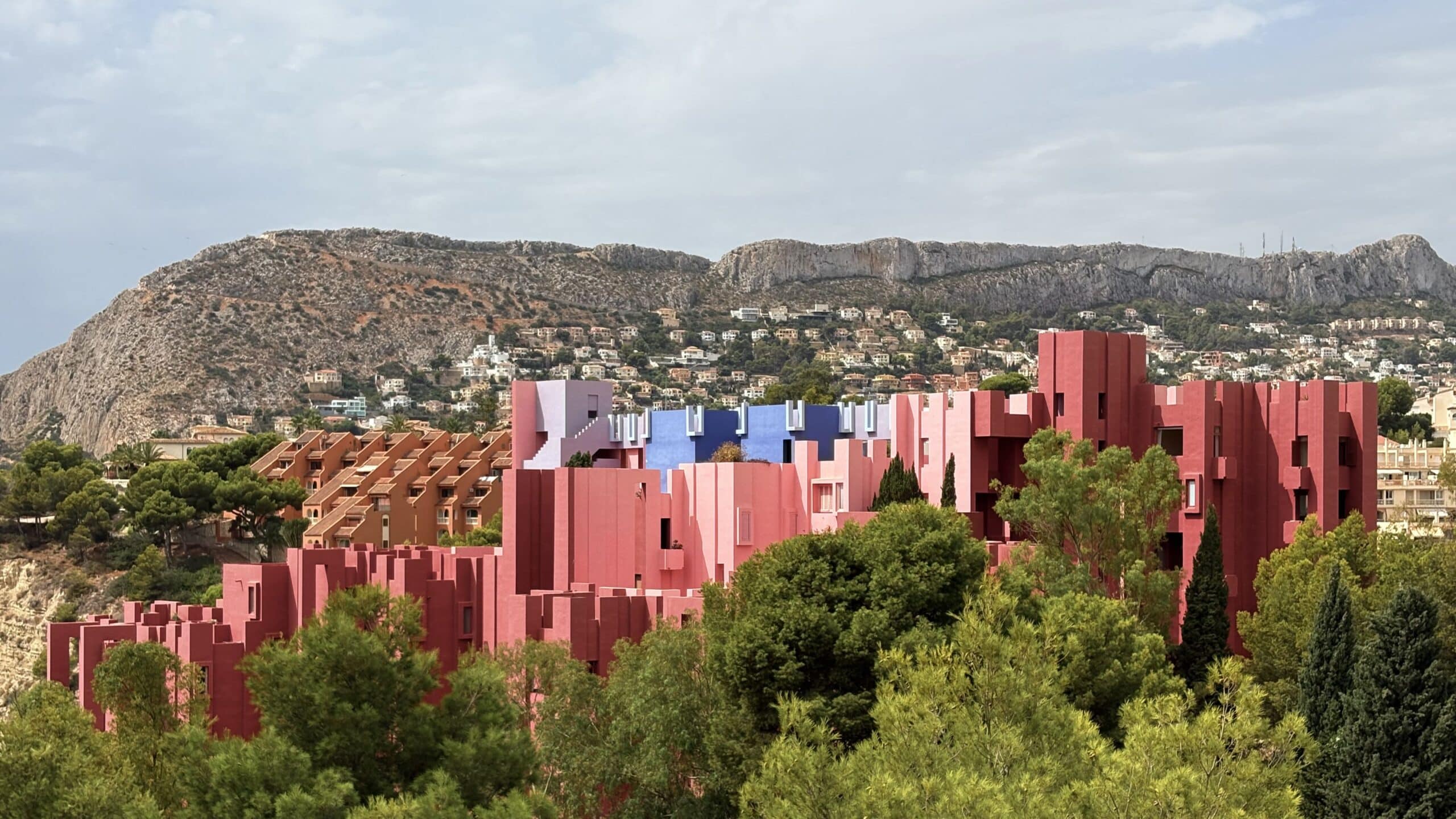
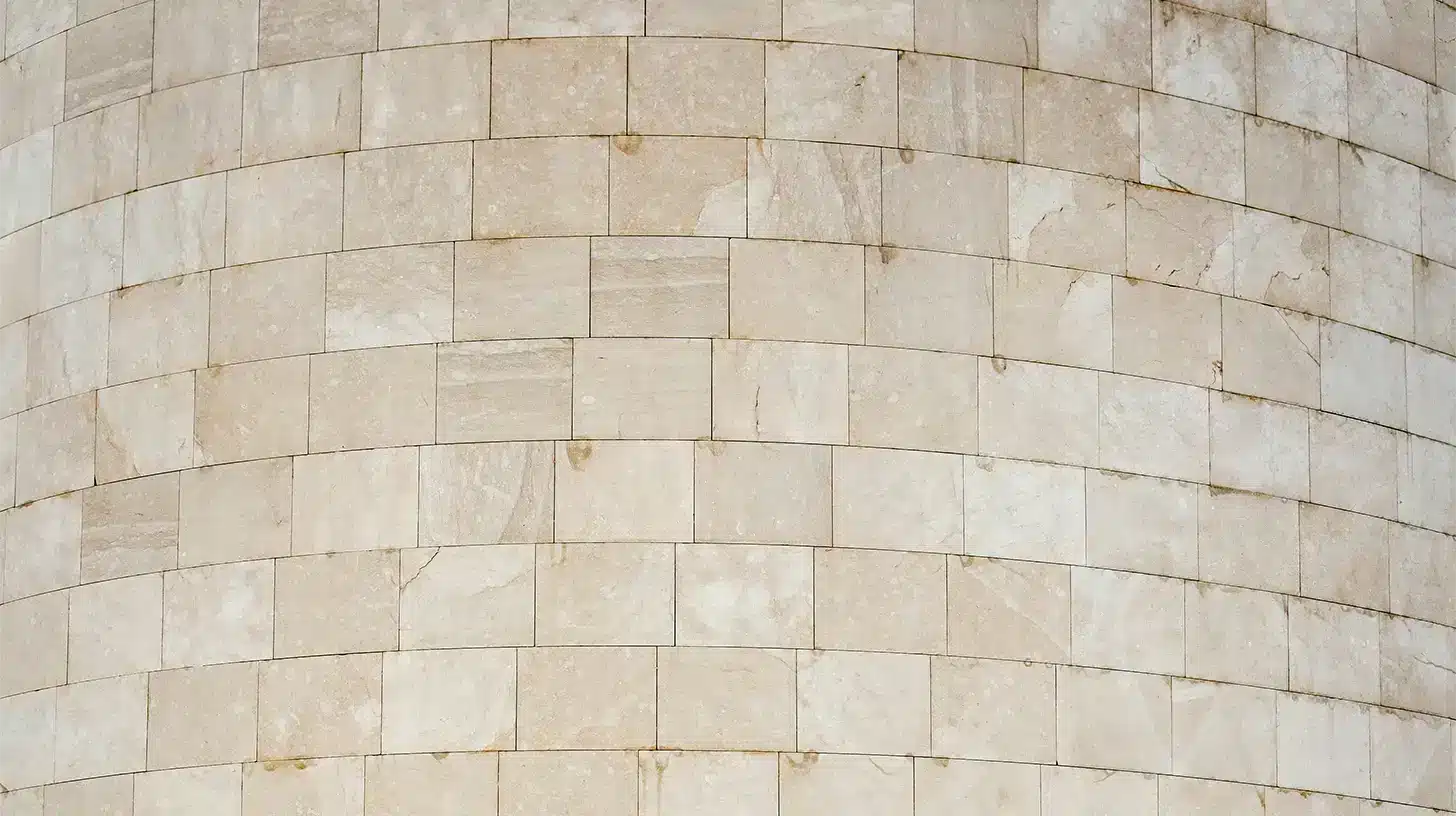
Applications in construction and design L'exceptional versatility of the sintered stone allows its use in a wide range of applications, both in residential and commercial areas. In building sector, it finds ample space in the outdoor coverings, where it is used to create ** ventilated faces and covers** thanks to its ability to resist atmospheric agents and ensure effective thermal insulation. Its technical qualities make it ideal also for ** flooring**, both indoor and outdoor, including those intended for areas with high attendance or subject to difficult climatic conditions.
In the segment of the interior** design, the sintered stone lends itself to multiple aesthetic and functional solutions. It is used in the ** wall coverings for bathrooms, kitchens and living areas**, where its refined appearance combines with the practicality of a durable material and easy to maintain. Thanks to its hygienic properties and the variety of finishes available, it is perfect for the realization of top kitchen, tables and furnishing accessories. Also the contract and commercial sectors exploit the potential for shops, restaurants, hotels and public spaces, in which the combination of aesthetics and resistance is a fundamental added value.
A brief comparison with other stone materials In the landscape of stone coverings, the sintered stone is positioned as a highly alternative Performance compared to other traditional materials (and yet very performance!) such as the natural stone** and the porcelain stone**. Its advanced characteristics make it, not by chance, an increasingly popular choice for those looking for aesthetic and functional solutions of long duration.
Sintered stone vs. natural stone Compared to natural stone, the sintered stone offers greater uniformity in technical characteristics. The stone extracted in nature inevitably has structural and chromatic variations, which can make it difficult to obtain homogeneous surfaces without defects. Sintering allows instead to guarantee constant performance**, with precise control over the composition and properties of the material. Another significant advantage is its high resistance to stains and chemical agents, an aspect in which many natural stones are more vulnerable. Traditional stone materials often absorb liquids and oily substances, requiring protective treatments to maintain their appearance over time. Thanks to its non-porous surface, the sintered stone eliminates this need, ensuring higher durability and easier maintenance.
Sintered stone vs porcelain stoneware Even in comparison to porcelain stoneware, the sintered stone stands out for some key characteristics. Although both materials share a high strength and a wide range of aesthetic finishes, the sintered stone has the advantage of being made exclusively with natural raw materials and without the use of resins or other chemical bindings. Its production process, designed to reproduce the mineral transformations that take place in nature, allows to obtain an even more performing material from the point of view of the density and the dimensional stability.
Thanks to these peculiarities, the sintered stone is now considered an innovative solution that ** surpasses the limits of traditional stone materials**, offering designers and manufacturers a reliable, sustainable and technologically evolved choice.
To view videos, enable external content in your cookie preferences.