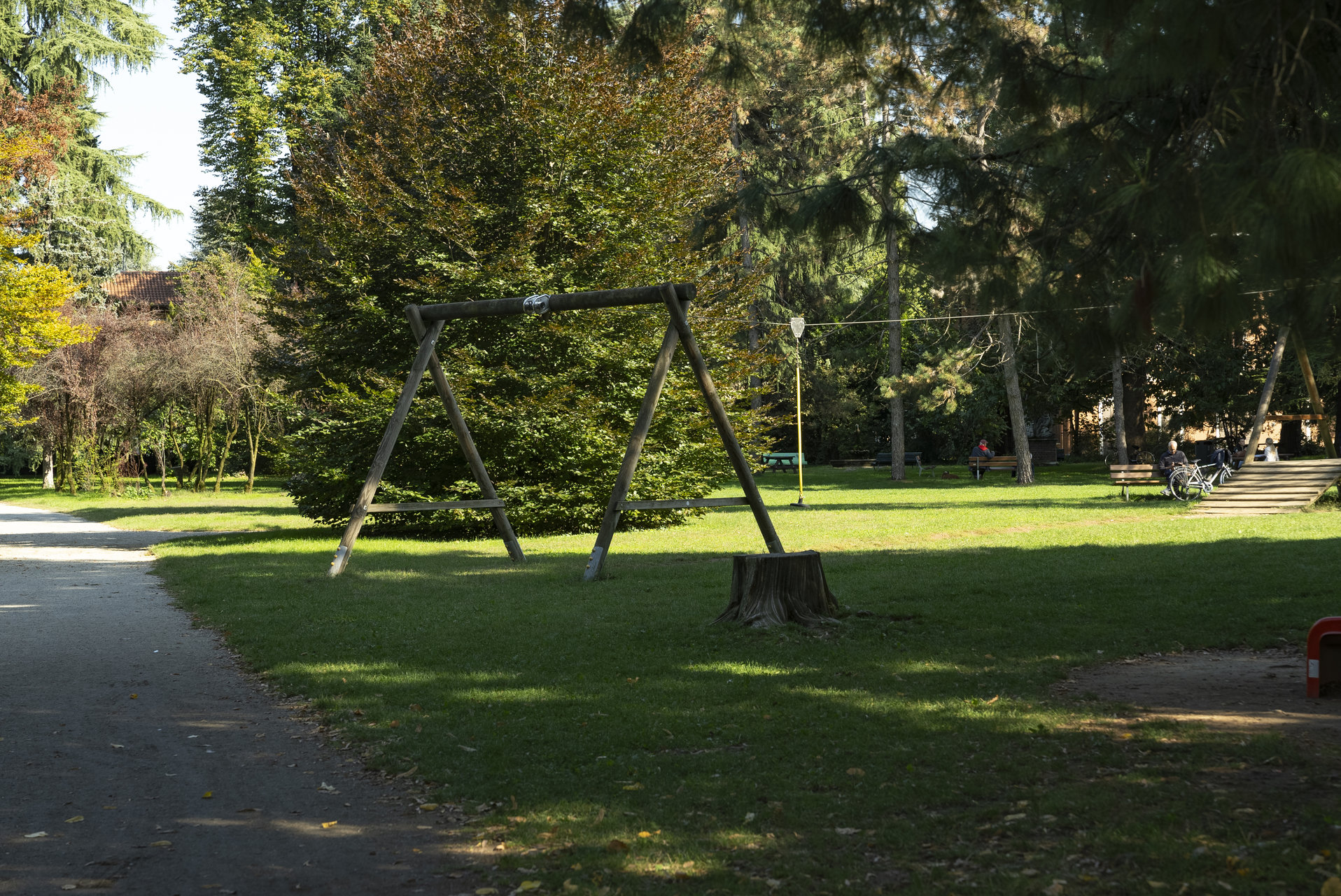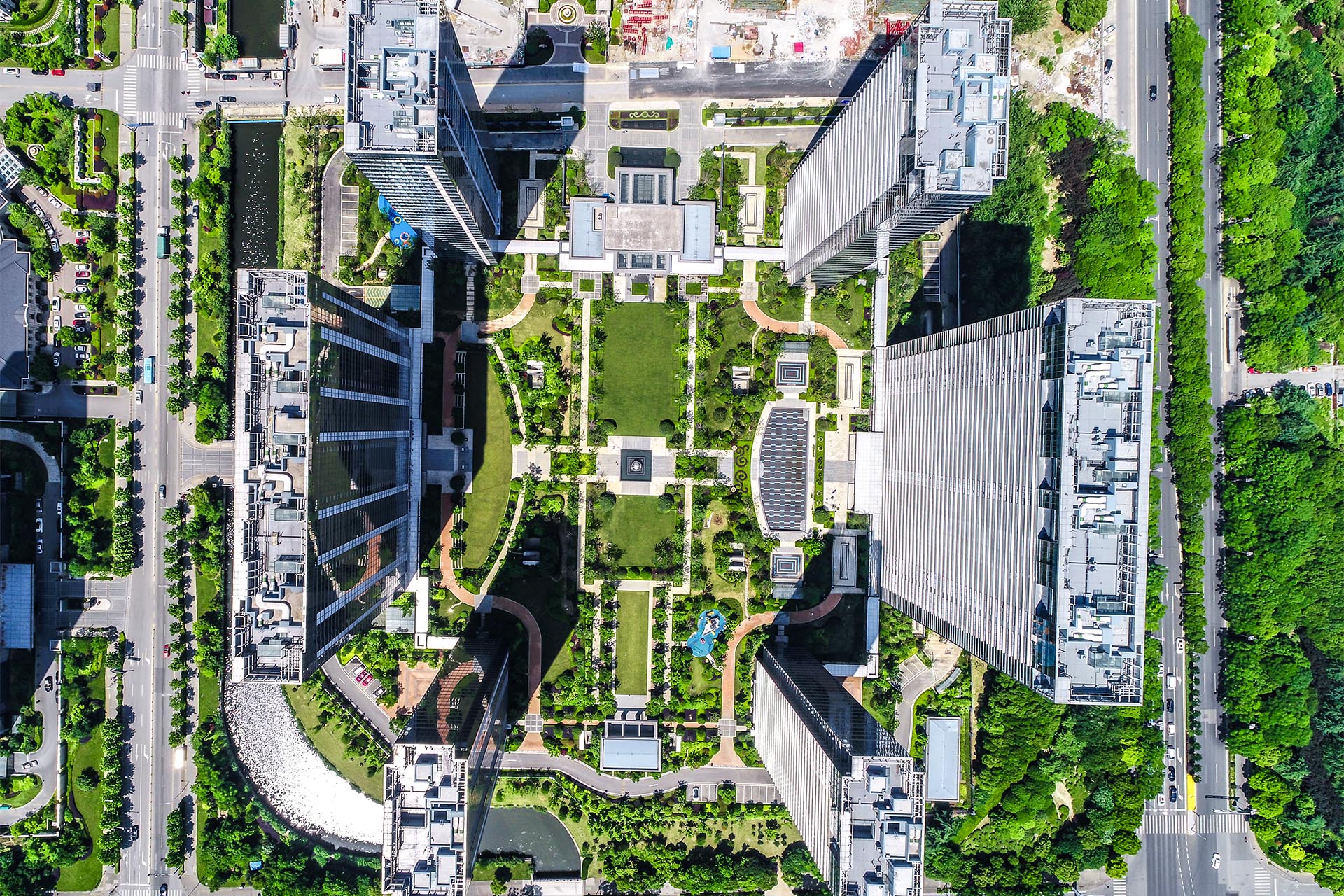
The concept of environmental sustainability It is more fundamental than ever in the current cities for reasons affecting public health**, economics**, the quality of life of people and the conservation of natural resources**. First of all, implementing sustainable urban practices reduces pollution of air and water, decreasing the incidence of respiratory and cardiovascular diseases in the population. Moreover, the presence of parks and green areas in the city contributes to improving the psychophysical health of the inhabitants, offering more opportunities for recreational activities and relaxation. At the same time, buildings and infrastructure designed with sustainable criteria consume less energy, reducing operational costs and increasing the economic competitiveness of the territory. Although there are many factors that contribute to the environmental sustainability of cities •sustainable mobility, efficient recycling and reuse policies for waste reduction, optimal water management, adoption of renewable energies, resilient infrastructure and green spaces •the planification of urban development avoiding uncontrolled cementification and residencies with low environmental impact are certainly among the most important ones.
Sustainable Residences: for a concrete reduction of environmental impact Known asgreen building• • • • • • • • ecological housing** • low environmental impact** are buildings designed and built to minimise their negative effect on the environment. This is possible thanks to the incorporation of materials, practices and technologies that promote not only the efficiency** energy (and therefore sustainability) of the property, but also a greater health for those who occupy it. • In the ** construction of ecological houses** we speak, typically, of • sustainable architecture** • • today considered a broad spectrum approach rather than a specific disciplinary field. Daughter of the German Bio-Construction** of the Seventies (the so-called Bau Biologie), it can be defined as an approach to the design and construction of buildings that aims to reduce the environmental impact** through efficient use of resources, the adoption of environmentally friendly materials, the integration of renewable energies and the creation of spaces that improve the quality of life. Typically, sustainable architecture focuses on the construction of ** buildings** energy efficient, durable and respectful of the environment and health of their occupants. A building is defined as "sustainable" when it respects the fundamental principles of bio-building since the ** design phase**. This means that the materials chosen for its construction are in line with the philosophy of eco-sustainability, consider the natural characteristics of the site without altering its balance, and are efficient, durable and environmentally-friendly (preferably, materials should also be at zero kilometer and derived from regenerative raw materials). Also the management of waste during the construction and life of the building must necessarily follow sustainable principles, facilitating recoverance and recycling. Finally, health and comfort of occupants must be considered priority, avoiding the use of toxic or potentially dangerous materials.
The importance of materials in the construction of buildings with a low environmental impact In the construction of sustainable buildings**, the use of suitable materials is obviously essential.The designer will opt for natural materials and from low environmental impact production cycles, considering also seismic risks, fires and pollutants** to reduce the carbon footprint of the product along the entire production cycle. Currently, the green building are made using an efficient mix of traditional materials and new generation solutions in order to reach the highest performance standards against an eco footprint as much as possible minimized. Among the many materials available today include:
- Lamellar wood: guarantees structural resistance and flexibility, is renewable and has a low environmental impact.
- Biocement: its formulation includes bacteria that allow the material to self-repair, reducing the need for maintenance and improving the durability of the structures.
- Canape and lime: the combination of these two materials leads to the construction of insulating, light and low environmental impact building blocks.
- Sughero: used mainly for thermal and acoustic insulation, is a natural, eco-friendly, renewable material with excellent insulation properties.
- Solar panels: intended as photovoltaic systems integrated directly into the surfaces of buildings (BIPV) generating electricity and reducing dependence on external energy sources.
- ** Electrochrome glass**: i.e. able to change their level of transparency to regulate the amount of light and heat entering buildings, improving their energy efficiency.
- ** Microporised brick blocks**: are an excellent solution to optimize the insulation properties and breathability of the building, reducing the use of energy for heating and cooling.
- Aerogel: is an extraordinarily insulating material, light and with high thermal properties, becoming progressively more popular to improve the energy efficiency of the buildings.
- ** Photocatalytic paintings**: use sunlight to reduce pollutants in the air, and thus improve the quality of the air.
- Recycled materials: as plastics and metals, can be integrated into green building to reduce the environmental impact and promote a circular economy. These innovative materials not only improve the sustainability of buildings**, but also often their performance, durability and comfort of indoor living.
Because it is essential today to design and build sustainable properties. green building are called to be the heart of the city of the future, which will in turn face the challenges of increasing urbanisation and climate change by adopting Innovative and sustainable strategies. In addition to promoting sustainable mobility and integrating renewable energy sources such as solar, wind and geothermal energy to reduce carbon emissions, tomorrow's cities will also have to be characterised by intelligent infrastructure. In practice, this means that they will have to integrate green spaces and biodiversity, smart grid (i.e. smart grids that optimize energy distribution and consumption, improving system efficiency and resilience), sensors and connected devices (IoT) to optimize resource management, public security and quality of life, and as many as possible of green buildings The latter are real estate that not only respects all the principles of sustainable architecture listed above, but also provides them with advanced technologies for energy saving, monitoring of internal conditions and optimizing resources. If, on the one hand, it is easy to imagine that technological innovation continues in the The next step is to make progressively more advanced systems and technologies available to the market**; on the other hand, we already know today what the main advantages of designing and building buildings with low environmental impact** are:
- A concrete respect for the environment: a building built according to the principles of sustainable architecture contributes to the fight against climate change and ensures a concrete reduction of the ecological footprint.
- Adding the commercial value: compared to traditional buildings, green building offers greater energy efficiency and a higher level of comfort for occupants, which translate into an increase in the market value of the property.
- Economic sustainability: Sustainable housing is designed to be less energetic. In view of a higher initial cost, they allow a rapid depreciation of the investment thanks to lower operating costs. Green building principles can be applied to any kind of architectural project: private residences, industrial sheds, logistics and commercial structures, professional buildings, public buildings, aggregation sites and hospitality. Thanks to the virtuous collaboration between specialized figures such as architects, engineers, designers and construction companies, it is now more than ever possible not only to imagine, but to concretely realize new buildings that satisfy or even exceed the expectations placed in the cities of the future.
To view videos, enable external content in your cookie preferences.