* Leo Orta is an artist and designer from Franco-Argentine who transforms the surrounding world into vibrant works of complexity, tension and poetry.* Born in Paris in a family of artists, he grew up crossing his mother's textile studio to go to school, unknowingly absorbing those creative, social and environmental values that pervade his practice today. His work, however, never indulges in sweetened rhetoric: it is a direct, incisive investigation rooted in a cultural heritage that combines the visceral improvisation of the 'do' with a conceptual reflection on contemporaryity.
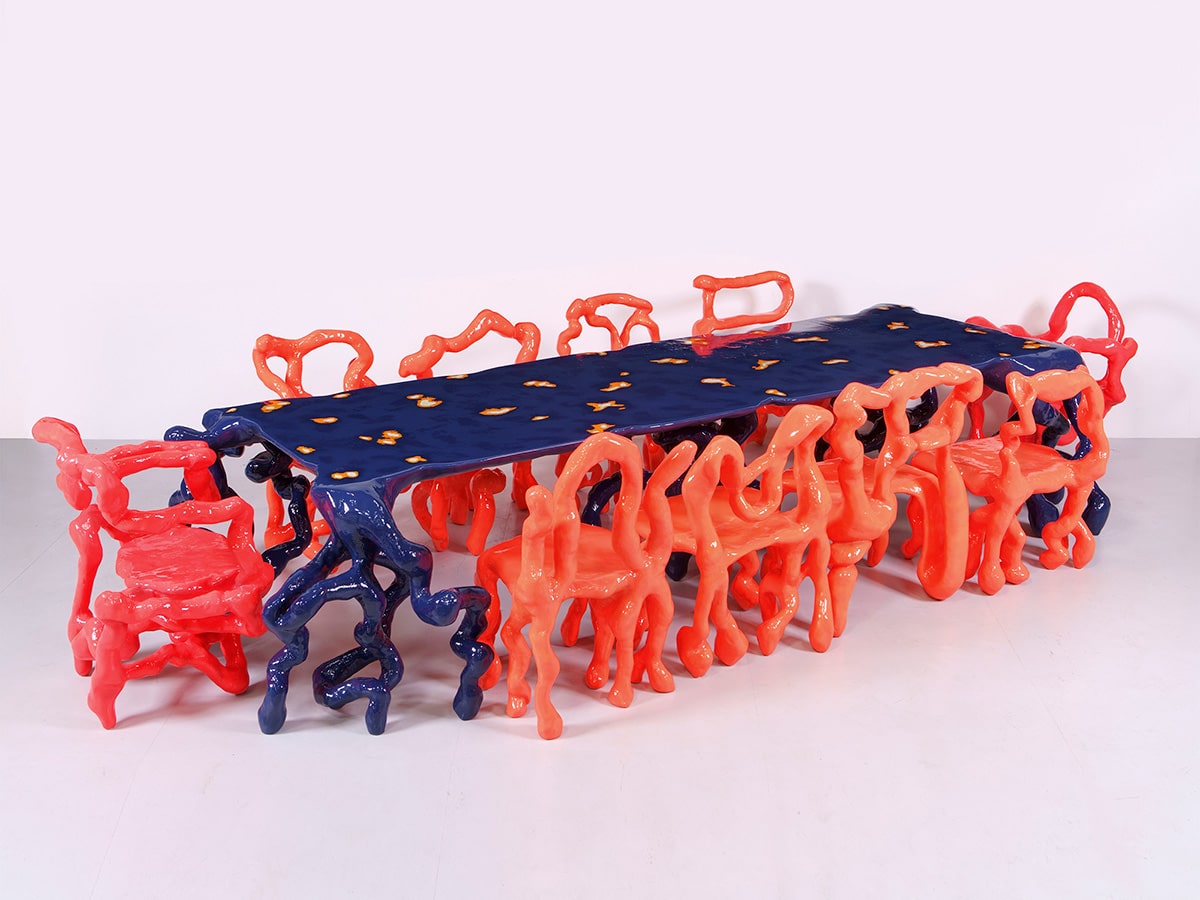
Working often on domestic archetypes such as chairs and tables, Orta pushes them beyond the threshold of daily use; what seems destined to welcome the body or to organize space turns into sculpture, holding the memory of the function and, at the same time, disenchanting it to leave space for meaning. His works explore the unresolved tension between nature and industry, evoking a dialogue between the fragility of the organic and the hardness of the artificial through biomorphic forms and tactile materials. As he himself suggests, these objects seem to be metamorphose beings, suspended between hyper-worked artifice and the decay of consumerism.
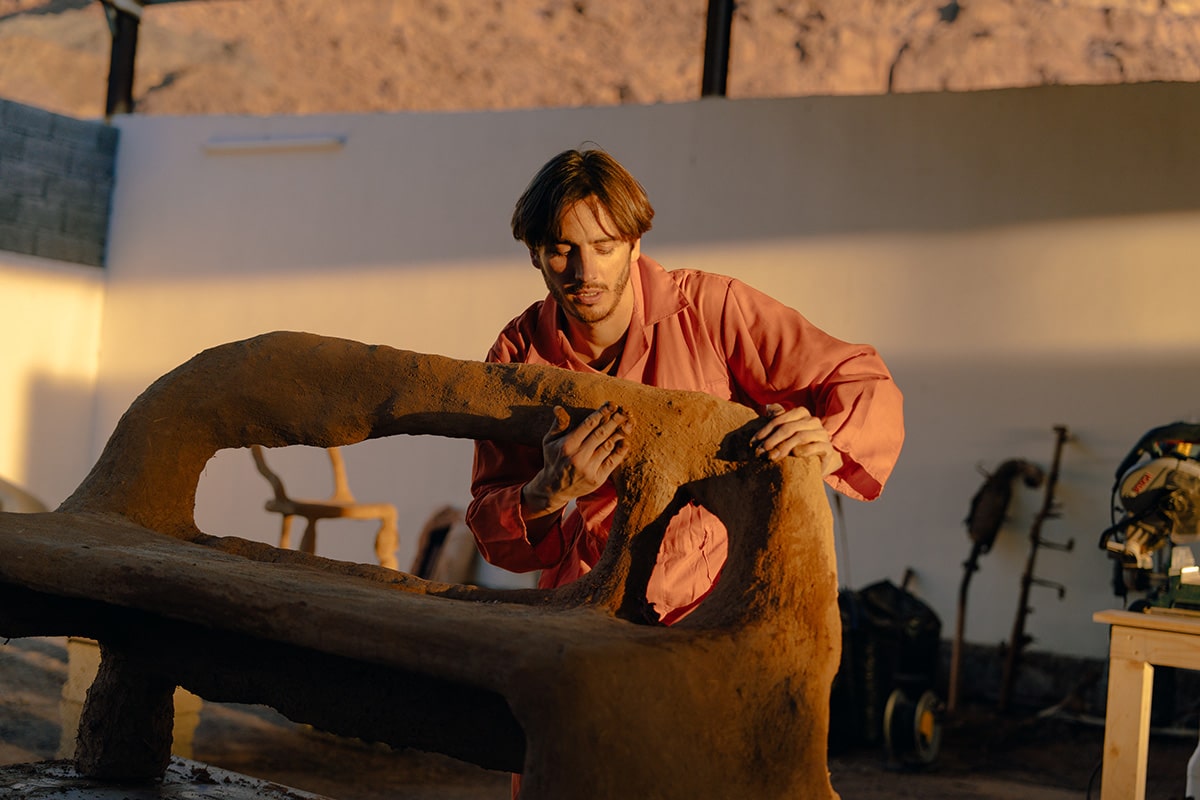
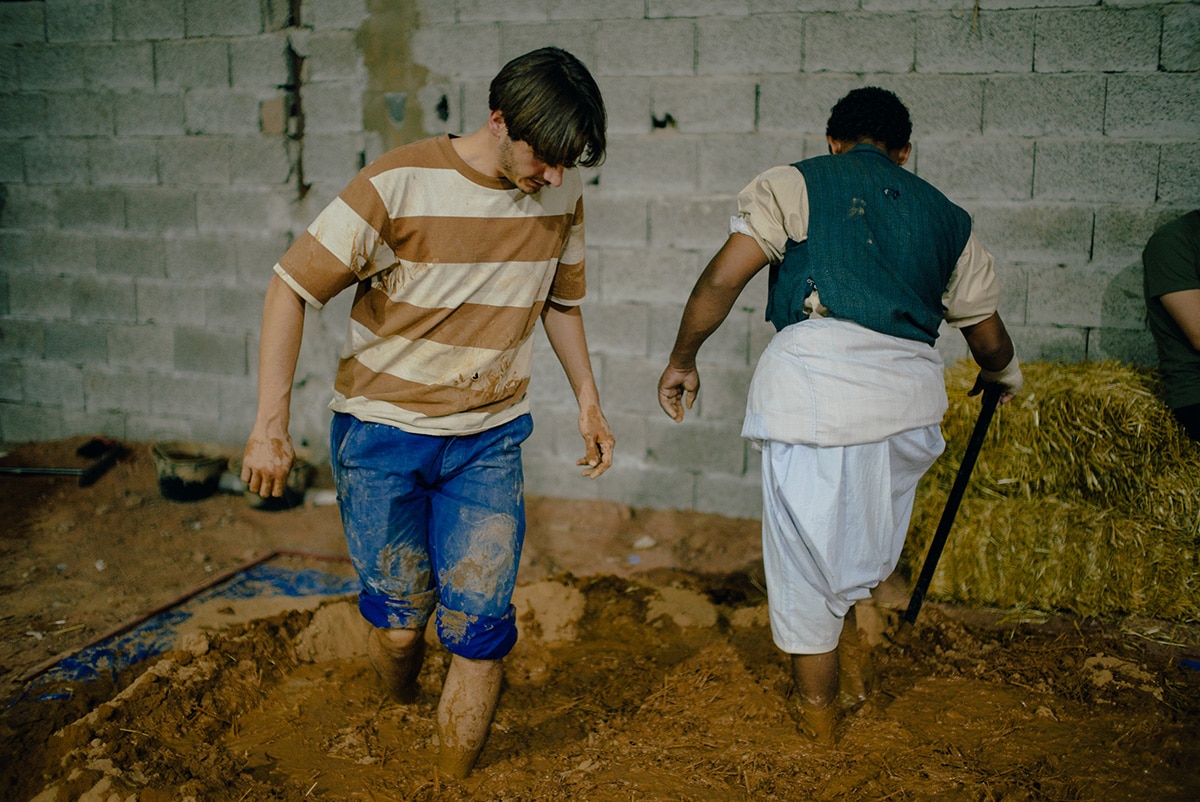
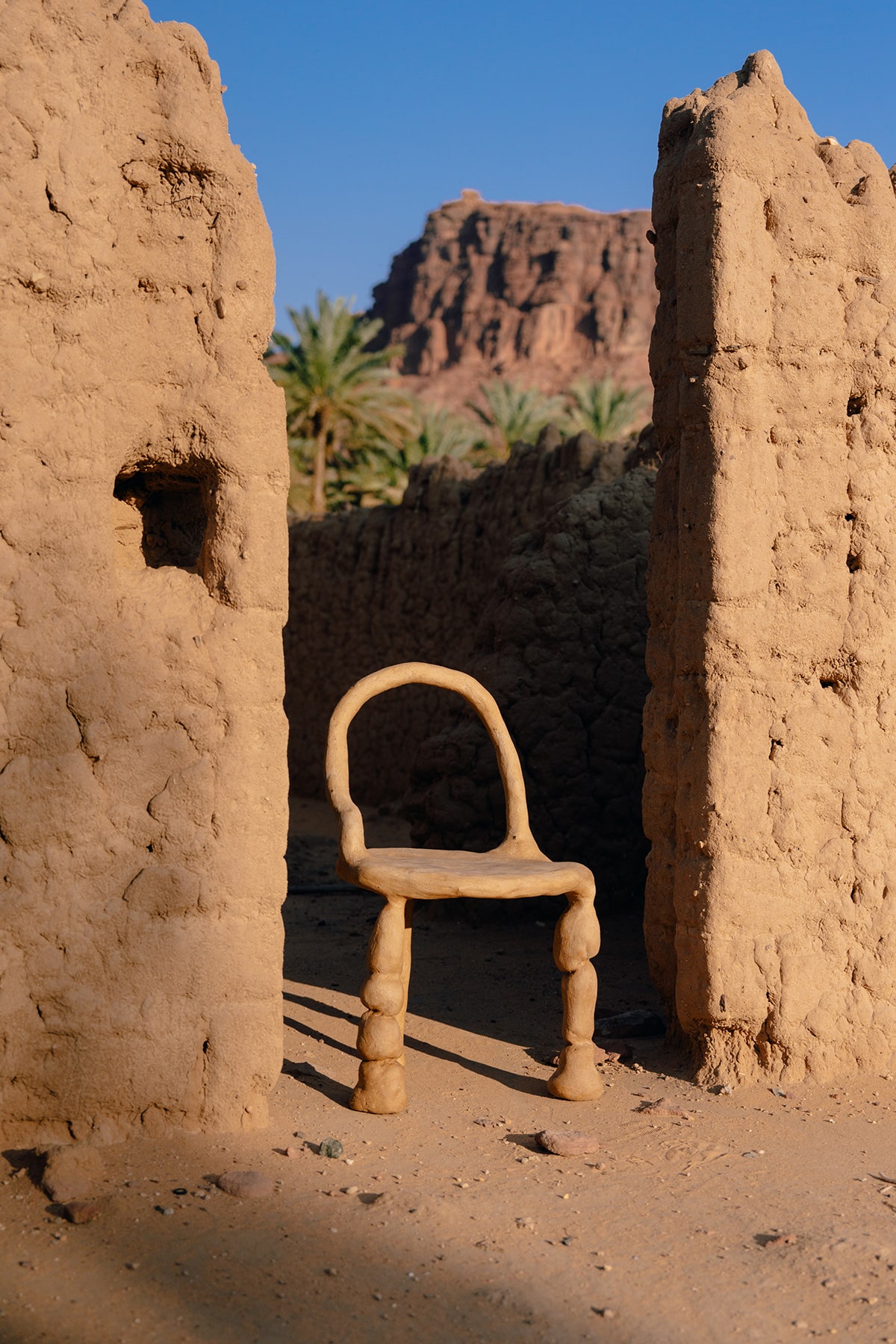
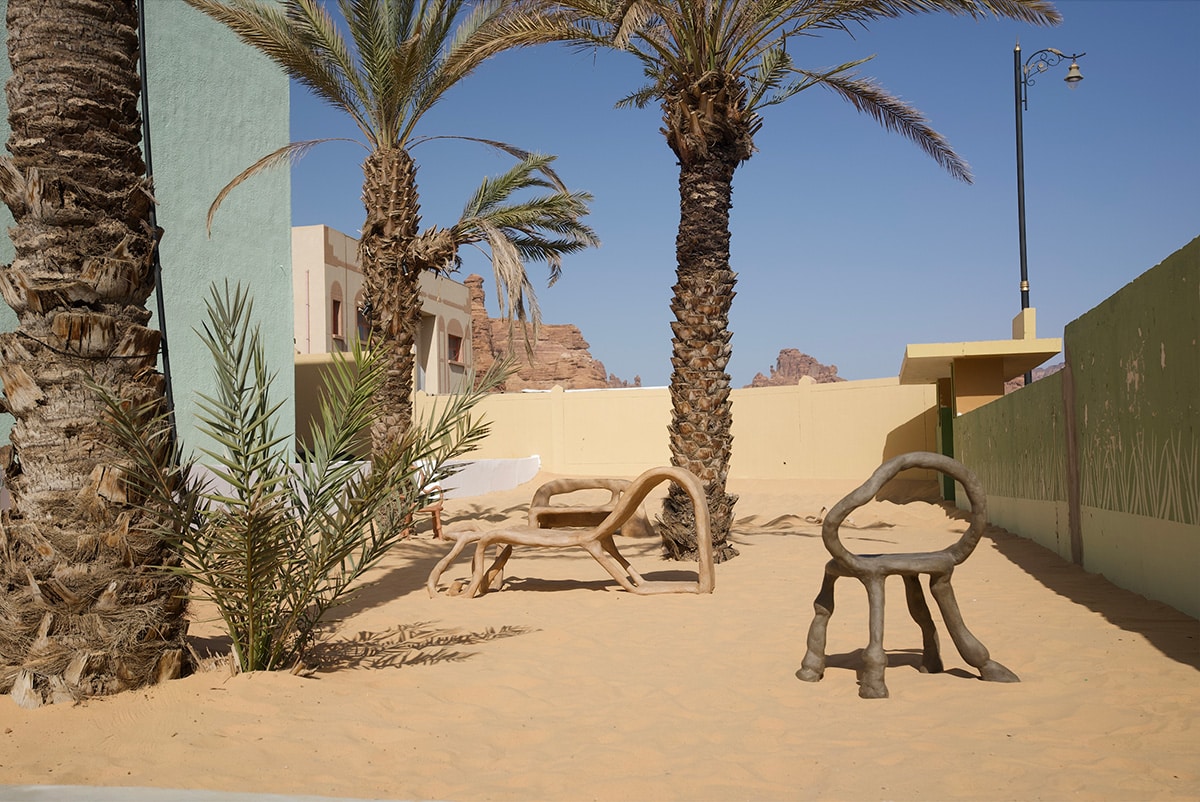
This research has found new sap in the recent and prestigious residence in Al ula, Saudi Arabia, where Orta has undertaken a creative direction that marks a return to the primary gesture: the use of local materials such as mud, straw, palm fibers and natural pigments has shifted the attention from experimentation with industrial waste to a more ancestral language, where the act of building and kneading precedes In this interview, the artist opens with generosity, guiding us in a universe of memories and reflections on sustainability, inviting us to ask ourselves what makes a place really habitable and where the usefulness ends to give start to the symbol. Through his story, the distinction between art and design becomes porous, becoming a necessary gap to rethink our relationship with space, matter and collective responsibility. For those of you who want to meet him in person at MIART by Andrea Festa Fine Art.
What role did your family play in your artistic career?
My family played a key role in my artistic education. I grew up in Paris, the son of a couple of artists, and as a child I went through my mother's textile studio every day to go to school, helping my father with his paintings during the summer. This environment has plunged me into the art and social and environmental values transmitted by my parents, although, as a child, I did not always appreciate it. Only later I understood the value of the experiences they gave me, such as following their exhibitions around the world or climbing volcanoes and pyramids with my mother. My Anglo-Argentine roots have helped define a multicultural vision, even though living in France for 25 years has sometimes made me feel suspended between different identities. This sense of non-belonging has led me to travel and explore other cultures, which are an essential part of my artistic practice today. I like to discover the way other traditions produce and create, combining everything as in a recipe that surprises.
Why did you choose design and how did it influence your approach?
I found my way to the Design Academy Eindhoven, where I discovered the strength of manual and conceptual experimentation. I came from an initial path in Graphic Design between London and Brussels, where I felt little inspired. At Eindhoven, instead, I was able to explore my interests freely: from social projects to collaborative work, to performance and experimental design.
How much space do you leave to unpredictability and insight in relation to planning and design?
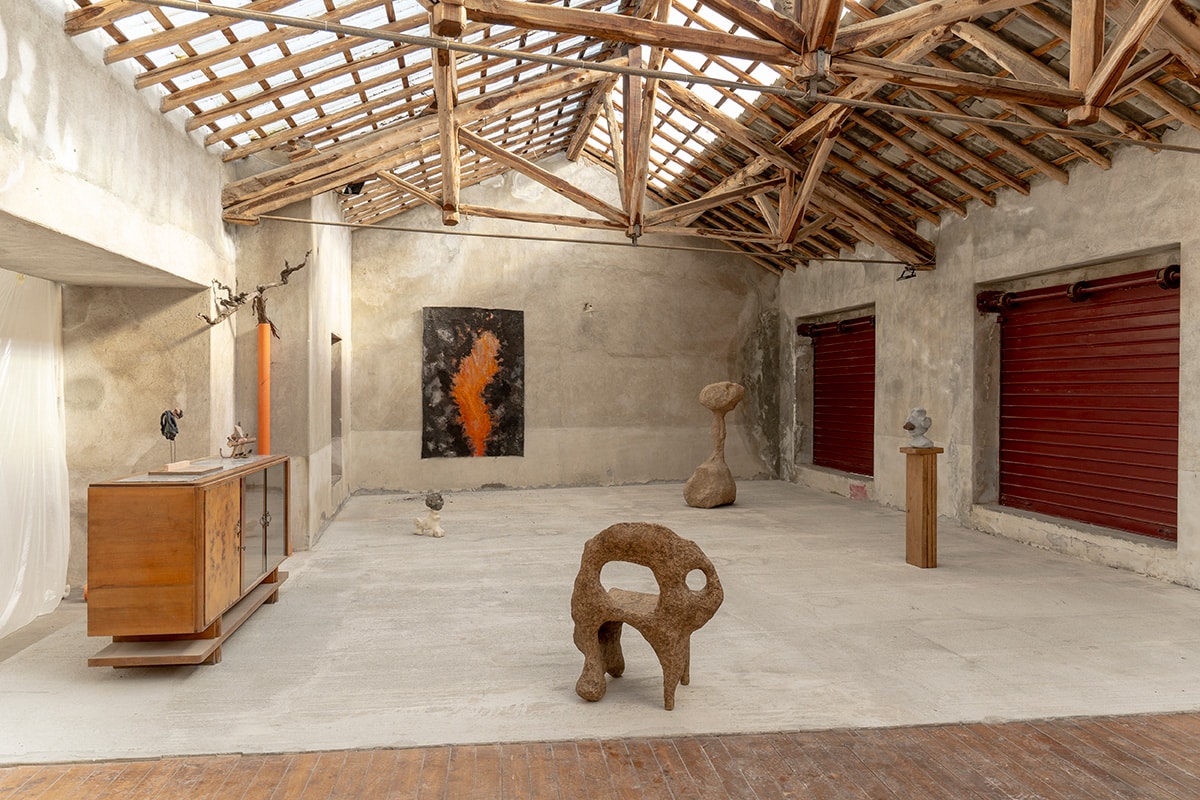
In my practice, I have learned the basic principles of design, such as ergonomics, proportions and assembly techniques. These serve as a basis for ensuring a functional and formal balance. However, at the beginning of my journey to the Design Academy Eindhoven, especially in the duo's work, I was fascinated by the idea of ignoring some of these rules to explore new territories of material and aesthetic combinations. I liked to leave room for improvisation, like in jazz, allowing mistakes to open up new opportunities sometimes a real learning process in the field. At the time I didn't know how to use digital tools like 3D rendering; so, I started from quick sketches and let the dialogue happen between materials and my mind. Now, after years of experience and the possibility of working with crafts and 3D technologies, I still firmly believe that unpredictability and intuition are essential for the creative process.
Do you consider yourself a faber-like homo?
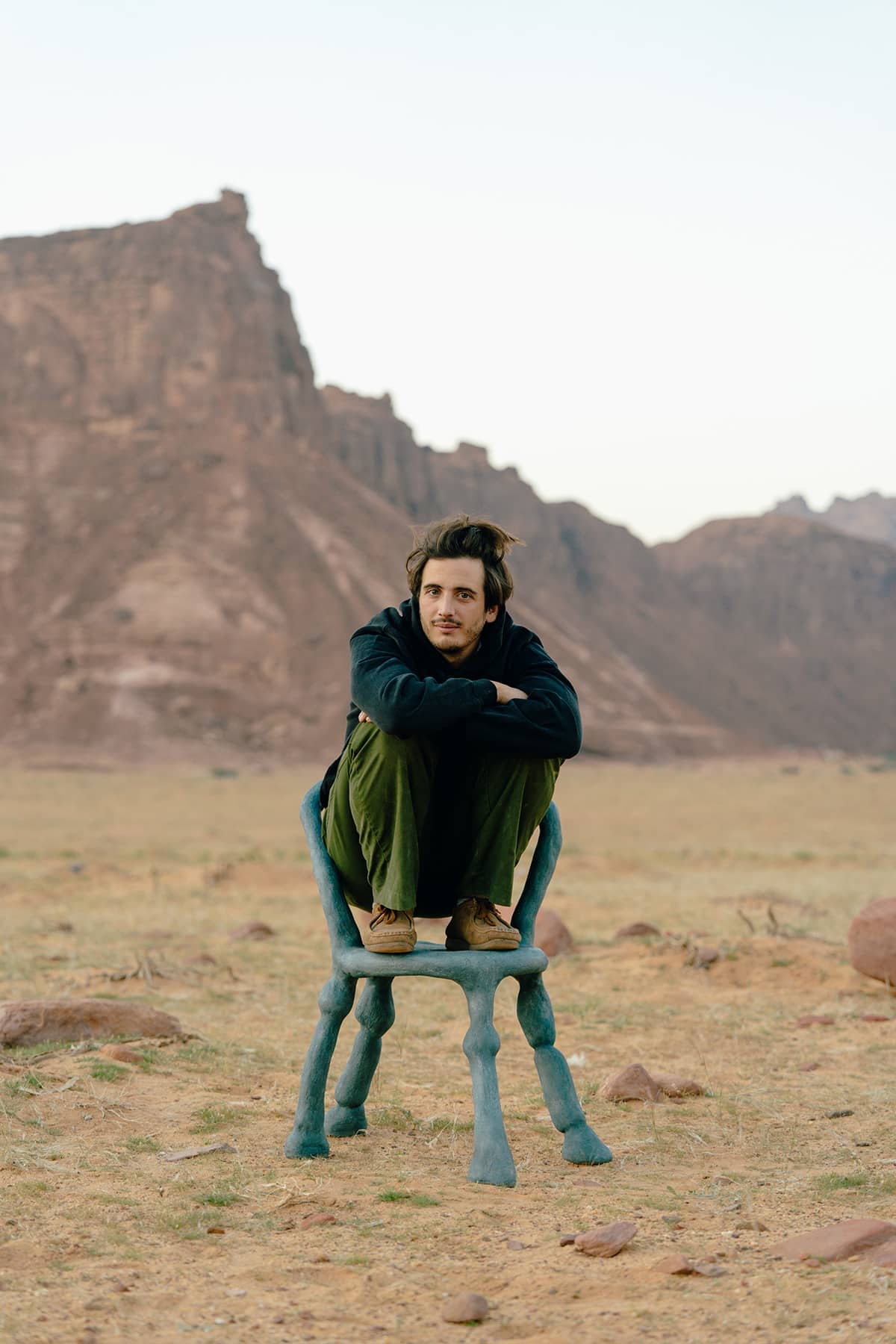
I'm very connected to the manual dimension and I love to create. I've learned many self-taught techniques, watching online tutorials or studying processes explained by companies. Only in the last two years have I started working with artisans or specialized companies for works that required techniques that I couldn't make alone, such as glass blowing, fusion or complex chemical processes. I started in a small bicycle garage, moving from one student space to another, working in my free time between school and experimentation. I was inspired by the techniques of the film and decorative industry and by the memories of my parents' s sculpture studio, which used economical materials for prototypes: â â â â â â â â â â â â â â â â â â â â â â â â â â â â â â â â â â â â â â â â â â â â â â â â â â â â â â â â â â â â â â â â â â â â â â â â â â â â â â â â â â â â â â â â â â â â â â â â â â â â â â â â â â â â â â
How do you improvise, technique and content?
My approach has always been driven by the question: ♪ How can I make this form with this material? ♪ and testing its limits. For example, the first experimental work with OrtaMiklos was to mix cast concrete with socks and incorporate woven cables, revealing the internal structures of the building materials. Everything was easily available in hardware or landfills. I see techniques like a toolbox • learn enough by practicing them, adding them one at a time, until I understand how to master and apply them. Today, after dealing with some health problems, I am re-evaluated my approach: I work more and more with well-equipped companies and experiment with more sustainable materials or techniques with low environmental impact. This allows me to produce more consciously and suitable for the contemporary world. I love working outside the studio, especially when I travel, to learn new craft techniques such as weaving or mud bricks.
You seem to be inspired by the masters of the past, especially surrealism.
My work feeds deeply on the art of others. Looking at the works in museums inspires me and helps me understand how artists have shaped not only history but also their own practice. Henry Moore fascinates me for his ability to transform the body from figurative to abstract. Niki de Saint Phalle conquers me with his imaginary universe made of spiritual monsters and beliefs. Artists like Phyllida Barlow, Isamu Noguchi or Germaine Richier strike me for their sensitivity to the nature, materials and political dynamics of their time.
But it is true that surrealism, in particular, represents for me a way of interpreting or escaping social and political reality, an attitude still current in a time of global crisis. Exhibitions such as Surrealism at Pompidou or Atomic Age at the Museum of Modern Art in Paris have shown me how every artist faces the challenges of his time with different languages. This comforts me and inspires me.
** Has psychoanalysis, an integral part of surrealism, also influenced your work?
Much and entered my path precisely through the influence of surrealism, which explored dreams and thoughts of the subconscious. Reading Michel Remy's British Surrealism, I discovered the concept of Psycorealism by Grace Pailthorpe and Reuben Mednikoff, which combined mental analysis and artistic creation. This approach made me reflect on the regenerative power of art, an idea that I have also deepened studying my great-aunt Emmy Bridgewater, co-founder of surrealism in Birmingham. During a burning period, I undertook Gestalt therapy to face fears and behaviors that I thought could be related to hereditary conditions, such as bipolar disorder. At that time, I discovered how to channel intense emotions into the rage, fear, frustration through art.
So you found a cure in art?
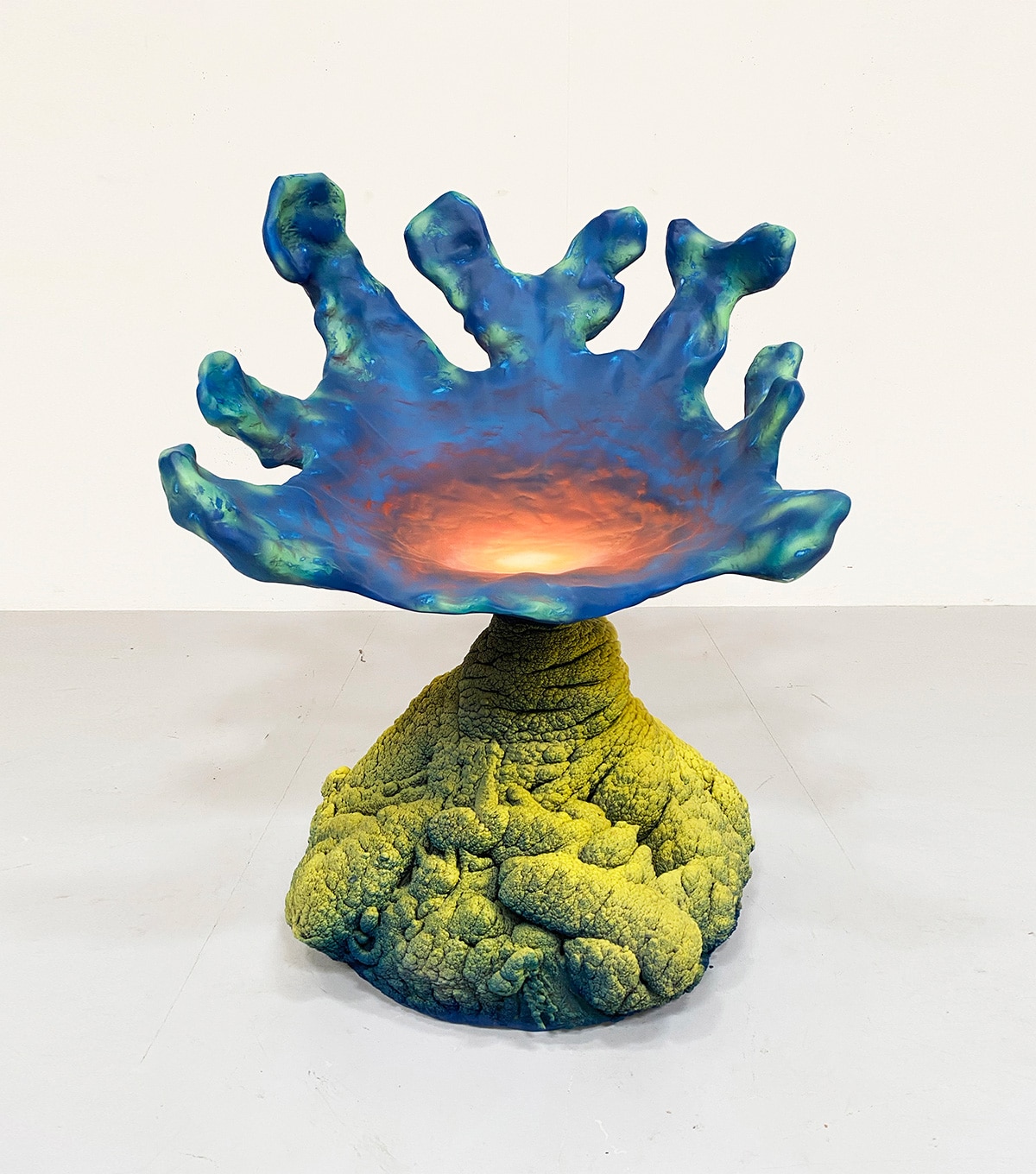
- To think about it, Phoenix is a work that has become a real healing object for me. I felt like I was burning from within, a process of self-destruction that I translated into shapes and colors. The chair Phoenix represents rebirth, inspired by Gaston Bachelard's thought on fire as a symbol of The work depicts a skeleton of a bird rising from the ashes, a symbol of regeneration. It was a way for me to transform pain into a creative act, making fire not only destructive, but also a source of rebirth and hope.
What is the most interesting story you've experienced working with recovered industrial materials?
My first encounter with the recovered industrial materials took place in Holland, in front of a giant dump of cables. D'instinct, I climbed on, being trapped like an insect in the garb. Then, I imagined myself as a spider, capable of weaving new networks and narratives. Since that time I started exploring the composition of the clothes, electronics, consumer goods and their life cycle, often closer to waste than reuse. A visit to a sorting company was enlightening: clothes sold by second-hand shops were redistributed between Europe, Asia and Africa, but many ended up burned or in landfill, impossible to recycle due to poor quality or mixed fibers. In India, even shoes were unpaired were shipped with the hope of finding the missing pair. This research inspired a performance with OrtaMiklos, where I carried a cube of 1.5 meters of clothes across the city, evocating the Sphere of newspapers by Michelangelo Pistoletto. A symbolic gesture to question the circularity, the waste and our responsibility as creators.
Many of your works speak of hybridization between nature and industry. Is it a harmonious fusion or unsolved tension?
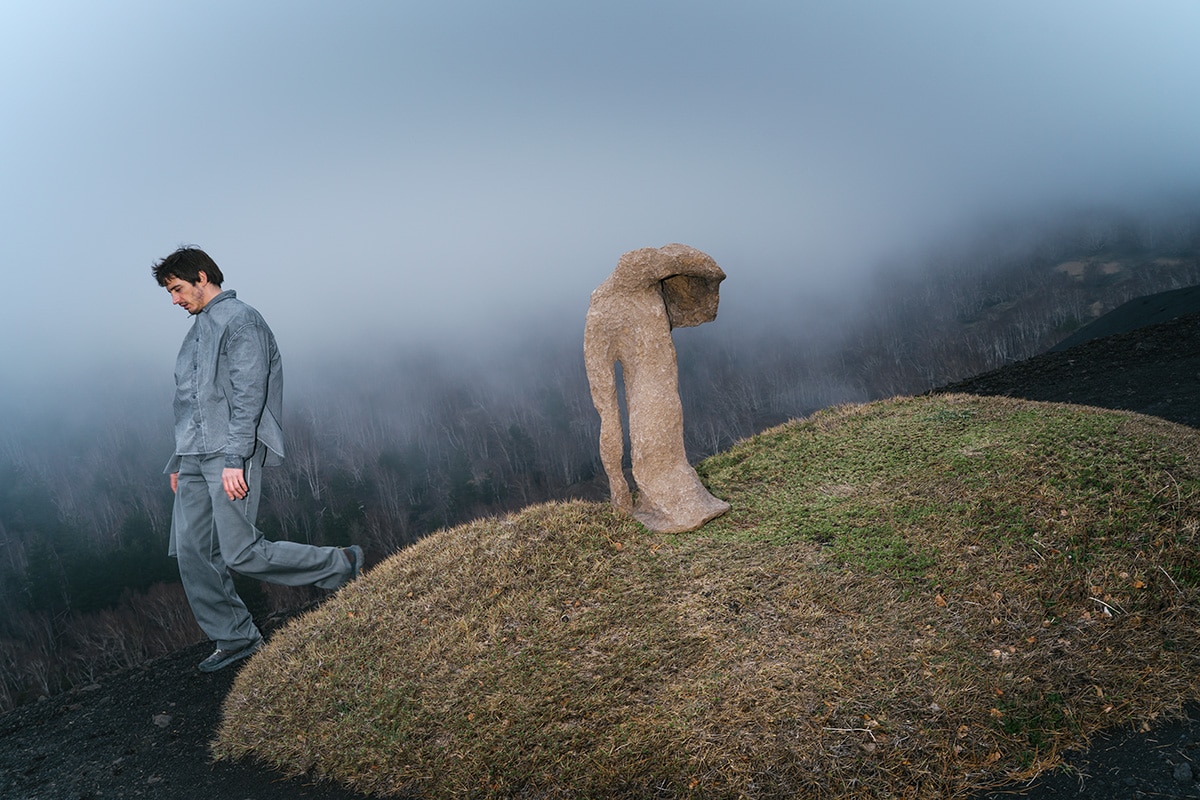
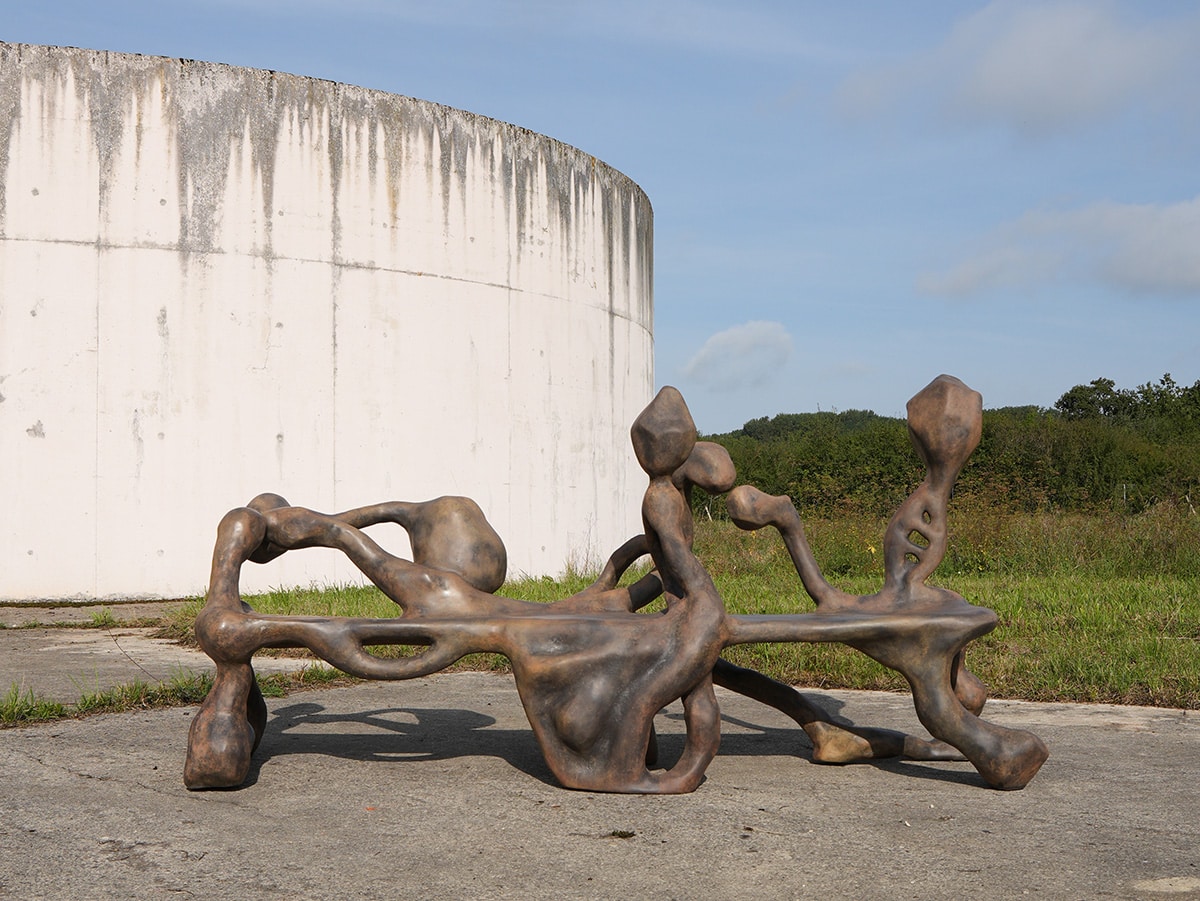
Definitely an unresolved tension. My works resemble living beings in continuous evolution, suspended between nature and industry. These organisms are in a state of metamorphosis, reflecting our contemporary world, which oscillates between hyper-worked structures and the decay of consumerism. Biomorphic forms and tactile materials recall the fluidity and adaptability of nature, while the synthetic elements introduce rigidity and intrusion. This duality explores the ambiguity of their relationship: are they merging harmoniously or one prevails over the other?
In an era of environmental crisis, how do you deal with sustainability without falling into cliché or rhetoric? I avoid using "green" materials just to seem responsible. When I choose bio-based materials, I try to understand the origins, producers and the message I want to convey. I am focusing more and more on local materials, working with farmers and producers close to my studio to develop systems that enhance fiber, earth, paste and cellulose. I often speak about the role of plastic, an inevitable presence in our lives. We cannot eliminate it, but we must learn to manage it and use it consciously. I try to express this complexity through materials and colours that arouse disgust, fear or attraction, as in the case of tarama: the bright rose attracts, but it is a chemical color that hides its natural reality. Another source of inspiration is the IUCN list of endangered or extinct species, which helps me reflect on the diversity and preciousness of life. Colors, shapes and adaptations of these creatures influence the creation of my hybrid beings between flora and fauna. I do not try to provide definitive answers, but rather to raise awareness, stimulate reflections and inspire change.
Your sculptures evoke organic shapes but use industrial waste materials. Is it an act of resistance, memory or transformation?
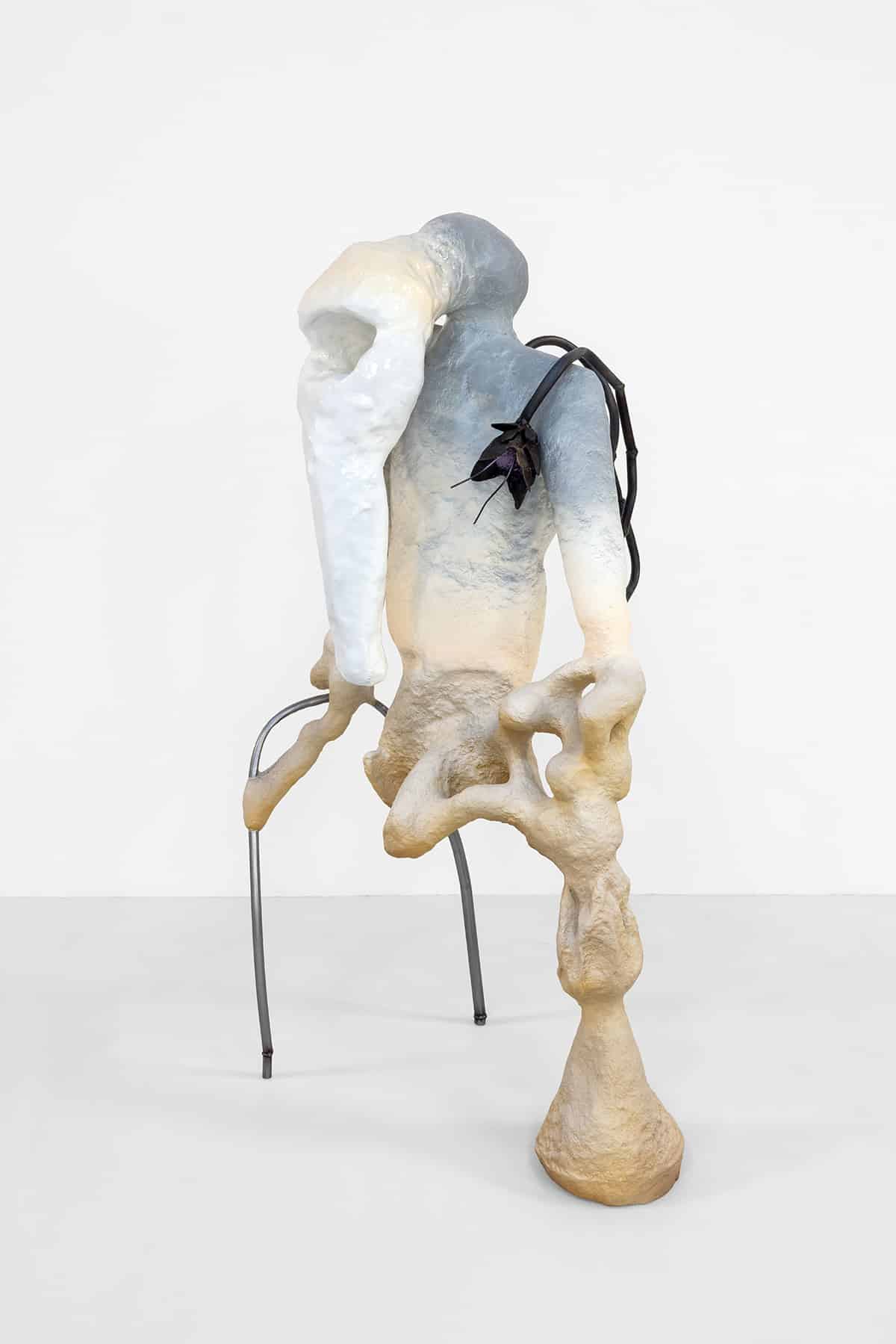
It's a little bit of all three things, in a natural rather than deliberate way. Industrial waste materials attract me for their history: they have already had a function and carry with them a past. In this sense, it's an act of memory, preserving and reinventing what has been discarded. But it's also transformation. When I combine these materials with biomorphic forms, I create a new identity that merges the artificial world with the natural one, raising questions about our relationship with industry, nature and body. Finally, it's resistance. I reject the idea that what is Recovering and reinventing materials is a rebellion against the culture of disposable and disposable. However, the process is driven by curiosity rather than planning: I explore the tension and harmony between these elements and let the work lead me.
Your creativity moves between art and design: does this distinction still make sense? Design responds to a theme, offers solutions and offers new perspectives. It is functional, but can also be I use it to inspire, transport people into imaginary worlds, furnish spaces and share knowledge. However, these same principles are reflected in my artistic practice. I have learned to move between art and design, finding a balance between the two. Today I consider myself both visual artist and designer, capable of space between functional and experimental projects. A sculptural chair, for example, remains a chair if it maintains its function of 45 cm height, inclination of the backrest to 3°, ergonomics tested but can also address social, political or environmental themes. This merger invites the public to reflect, overcoming the boundaries between aesthetics and usefulness.
Your works tell complex stories: what narratives do you want to transmit?
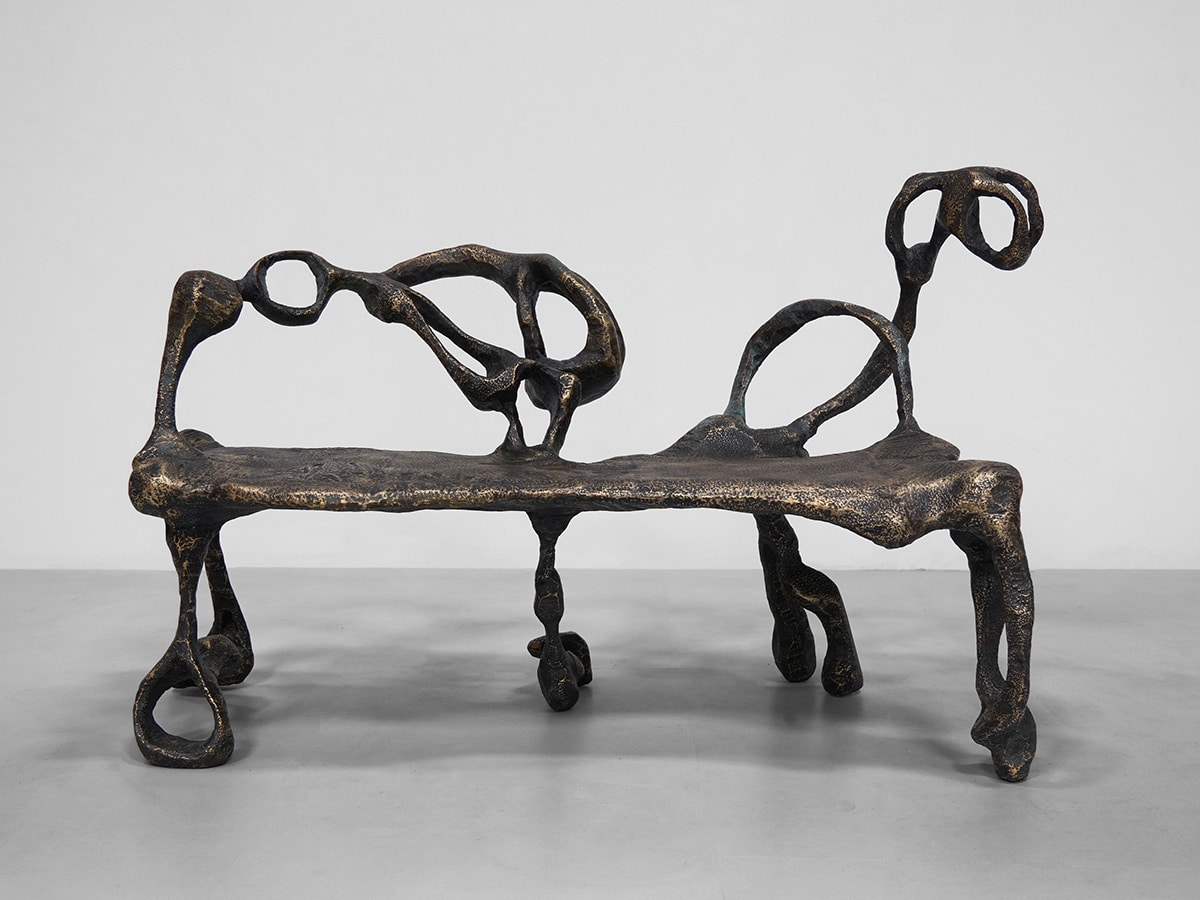
My works are born from discoveries made along the way: trips on the field, conversations with philosophers and activists, all interwoven in cohesive forms or assemblies. They are stratified, and I hope that the public can grasp some of these nuances through paintings, films or photographs that reflect my experiences. However, I think it is essential to leave room for personal interpretation. It is important to provide a context, but also stimulate questions and reflections. Emotions are very personal, and it is important that every spectator can reveal his/her sensitivity towards a work. I often think of my friends who are not from the art world, who visit spaces like the Palais de Tokyo and complain about the difficulty of understanding or getting involved with the works. It is important to be able to communicate with a wide audience without decontextualizing the work or reducing it to pure entertainment.
Is it important for you that the audience fully understands your vision so articulated?
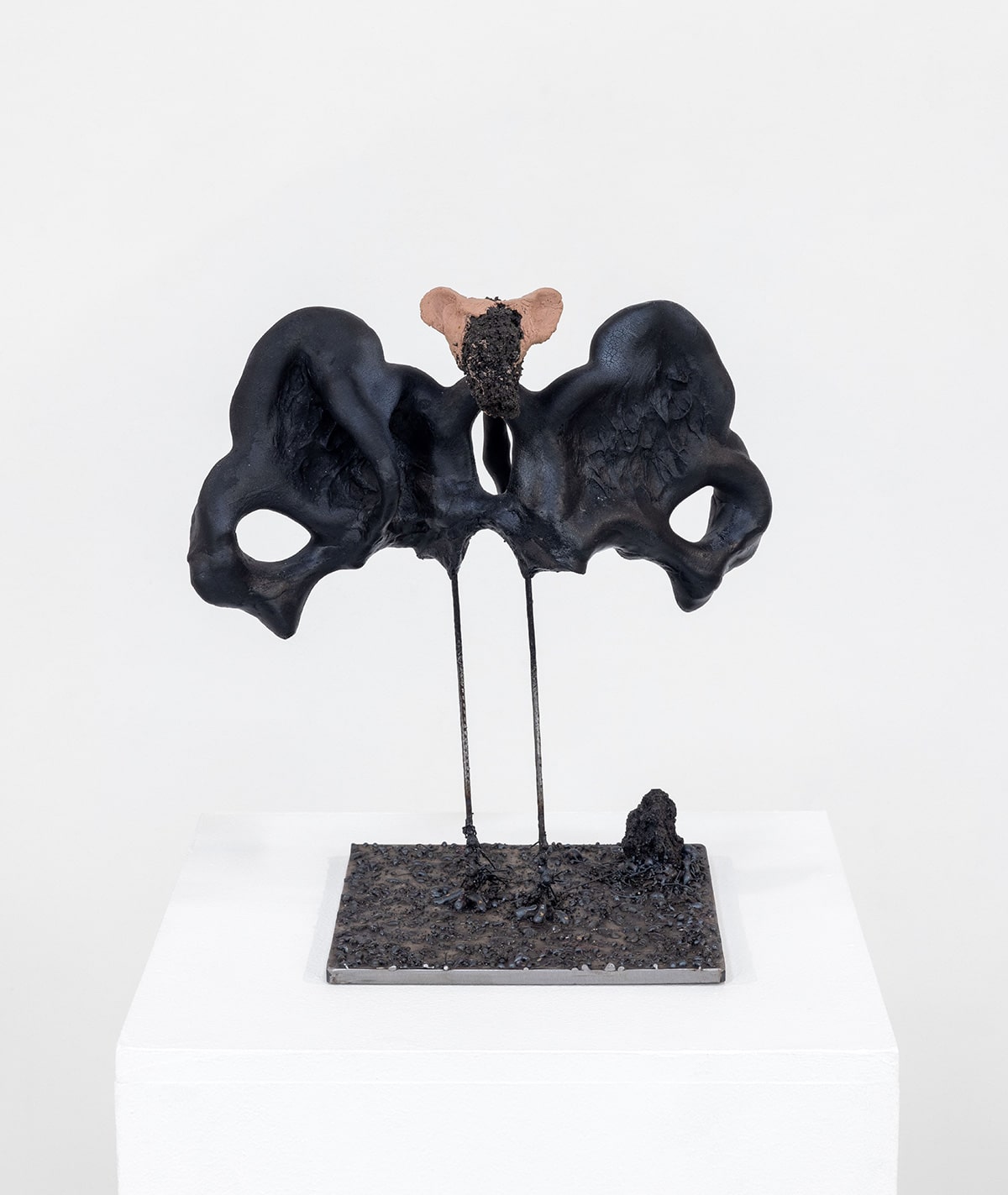
Through the words of Emmanuel Coccia and Andreas Weber, I see sensitivity as a skill to cultivate to understand how we live on earth and the stories we leave. An example that struck me deeply was the installation of Anselm Kiefer at the Grand Palais Éphémère in December 2021, which was able to carry me in his emotions, making me feel pain, loss and sadness.
Is there a material you have not yet explored and would like to work with? Linen, no doubt. Near my studio there is a factory that produces different qualities of linen, managed by a family to the third generation that cultivates and works this resource for the building, textile and insulating sector. I would like to explore linen in its most raw and unfinished forms, turning it into woven surfaces, padding or cellulose paste. My recent residence in Saudi Arabia, where I learned the art of mud bricks, motivated me to look for craftsmen who work linen in different applications. This material represents a connection between tradition and innovation for me. The interview with Leo Orta marks a new stage of L'ARTE IN PRIMA PERSONA, a project promoted by Cramum together with Schiavi SpA, under the artistic direction of Sabino Maria Frassà.
To view videos, enable external content in your cookie preferences.